 An official website of the United States government


Returned Volunteer Profile
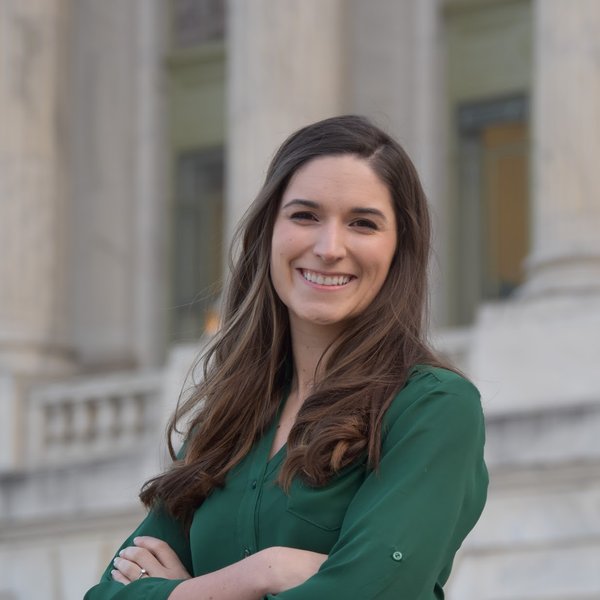
Emily B.
“Many government agencies do not dedicate large enough budgets to tech, so understanding how to get things done with less has been key to many of my successes.”
1. What were your primary responsibilities during service?
I taught English at the honors school in my village for grades 1 to 11. I worked with my counterpart to create lesson plans and conduct interactive activities and games for my students. Some of the most popular activities were "fill-in-the-blank" song lyric activities for my older students and sing-a-longs for my younger students. I also helped tutor some students at the other public school in the village.
2. What projects did you collaborate on with your community?
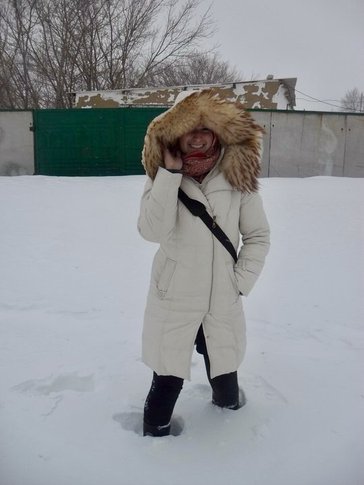
The largest project I organized was a weekend training for teachers in my region who did not have access to a native English speaker. The most critical training was to support teachers in using a Smartboard, as it was a great tool for teachers and many schools had one, but access to training was limited. The weekend was also a great way to scout out additional sites that might host future Peace Corps Volunteers. Unfortunately, the Kazakhstan program closed before other villages could be included.
My students were always interested in Halloween, so we organized an autumn festival where they could dress up and participate in American games typically played at summer camps or fall festivals.
3. How did Peace Corps service influence your professional path?
Peace Corps influenced my move to Washington, D.C., which allowed me to get involved with the tech industry in the government space. Peace Corps experience is very respected by government agencies and it’s opened many doors for me in my career. Overall, government tech really is about giving back to constituents and citizens and using resources wisely—things that Peace Corps teaches you to value in your work.
4. How do you use skills honed during service in your current job?
I currently work in the government tech sector, specifically at the National Gallery of Art. My Peace Corps experience is always close to me in my professional path—it taught me resilience, creative solutioning, and creating impact with limited means. Many government agencies do not dedicate large enough budgets to tech, so understanding how to get things done with less has been key to many of my successes. There are a lot of similarities between learning a second language and working in technology, so my experience of living in an environment with limited understanding of the language helped me learn the skills needed to learn new technologies quickly and be able to communicate effectively.
5. How have you shared your experience to help those at home understand the value of Peace Corps service and communities abroad?
I’ve had a lot of opportunities to share my service experience and show young professionals that it is a viable option and can generate some real career growth for them. When I first moved to D.C., I did a lot of mentoring through my alma mater; many of the students wanted to make a difference after they graduated. I was able to share how Peace Corps jumpstarted my career at a time when I didn’t really know what I wanted to do in life. Being a Returned Peace Corps Volunteer (RPCV) also helped me land my first job in D.C. because the woman that hired me was also an RPCV and had worked with other RPCVs throughout her career.
6. What Peace Corps benefits have been useful to you?
When I first returned to the States the medical and dental benefits were critical to helping me get my feet on the ground. Having a Peace Corps safety net that extends beyond your service, especially if you are young and just out of college, allows you to transition a little bit easier.
7. How have you remained involved with the Peace Corps community following service?
For the first few years after returning, I was very connected to fellow Peace Corps Volunteers who lived in Washington, D.C. Many of my Volunteer colleagues also moved to D.C. to start careers or pursue educational opportunities. But D.C. is a very transitory city—so many of those folks moved or drifted away as career opportunities took them elsewhere.
8. What tips do you have for Volunteers just returning from service?
Be open to opportunities that might not seem like the most logical progression from service to career. During my service I was not particularly interested in technology but I was open to opportunities presented to me when I got back and found a very rewarding career in that sector. I still feel connected to my service even though, on the surface, my career looks nothing like what I did in Kazakhstan.



