 An official website of the United States government




Featured Participant Profile
Andrew G.
“Even if you’re far away, the connection is still powerful. Have fun with it. Allow yourself to be creative. Use the time to build, reflect, and grow—not just professionally but personally.”
1. What got you interested in the Peace Corps, specifically the Virtual Service Pilot?
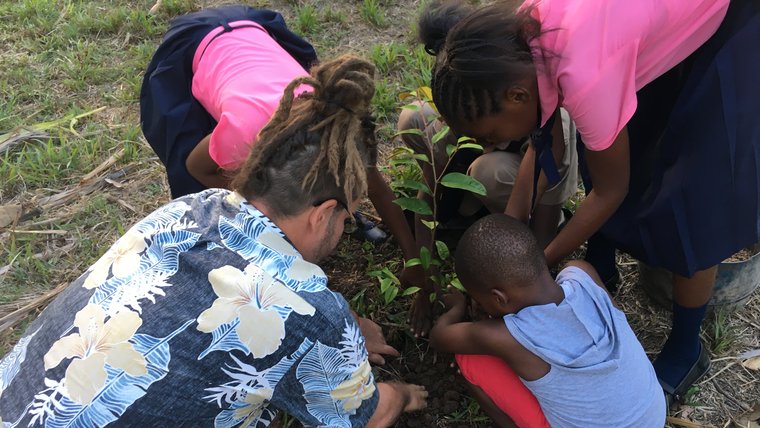
My Volunteer service in Jamaica shaped the direction of my life. While the experience came with challenges, it deepened my connection to the people, the culture, and the land—something I wouldn’t have today if I hadn’t taken that leap. My love for reggae had long connected me to the island, but living and working there added real meaning.
After returning from my two-year service, I took time to recalibrate and grow from new experiences. But after the pandemic, the Virtual Service Pilot felt like a meaningful way to reconnect the agency’s mission and Jamaica. I wasn’t just jumping back to serve—I was returning with more perspective and direction. It gave me the chance to present myself in a way that felt more grounded and collaborative while still honoring the relationships and roots I had built during my initial service. The timing allowed me to show up with greater clarity, more lived experience, and a stronger sense of alignment. It became a chance to serve in a way that reflected who I had become.
2. What projects did you work on?
During my virtual engagement, I co-facilitated two national virtual training programs with Rural Agricultural Development Authority (RADA), which aimed to strengthen the skills of Jamaica’s agricultural extension officers. The first series (June 2023–January 2024) addressed agronomic topics, such as soil health, agroforestry, and precision agriculture. I developed custom presentations, multimedia videos, and interactive assessments to foster engagement and encourage real-world applications.
The second training series focused on extension methodology, covering communication skills, needs assessment, program planning, and monitoring and evaluation. Officers from all 14 parishes participated weekly, highlighting the scale and national reach of RADA’s extension network. We enhanced the second round by including co-facilitators and participants from seven countries, which introduced global perspectives to local realities.
3. What were the results of your collaborative work with the community?
One of the most rewarding parts of the experience was seeing the final group projects come together. Each parish-based team addressed real agricultural issues and applied the knowledge gained from the sessions to develop practical, creative solutions. They shaped practical farm strategies and brought their ideas to life through thoughtful videos and engaging presentations. What stood out most was the level of care, originality, and collaboration they brought to the process.
Meeting with the teams to talk through the realities they face and the cultural context of working in Jamaica helped them feel more confident and better prepared. Those conversations often brought out new insights and helped sharpen their work. It was a reminder that effective training isn’t just about passing on information—it’s about connection, shared understanding, and creating space for people to step into leadership. Seeing the officers step up with clarity and purpose showed what’s possible when the proper structure and support are provided.
4. What was a highlight of your VSP experience?
One of the most rewarding moments was the final group projects. Each training series concluded with parish-based teams tackling real agricultural challenges, utilizing what they had learned to design thoughtful, practical solutions. Some created tailored farm plans, while others introduced new practices to farmers, and many showcased their work through presentations and short videos. It was powerful to see officers move from learning to action.
During the second training session, we brought in co-facilitators from other countries. I vetted and met with co-facilitators ahead of time to provide insights into Jamaican culture and the everyday challenges faced by the officers and farmers, thereby facilitating better collaboration and deeper connections among all parties involved. It became clear to me that effective training goes beyond simply imparting knowledge; it focuses on building trust and empowering individuals to thrive.
5. What strategies did you use to meet the challenges of a short-term and remote experience?
Working closely with the RADA team was crucial to keep the program on track, especially given its fast-paced and complex nature. Having spent years in Jamaica and learning from other global farming systems, I was able to share content in a way that felt both practical and relatable. I often drew from my journey—stories, examples, and lessons—to illustrate how different regions face similar issues and how that can be useful in a Jamaican context.
I created video introductions that blended music, local visuals, and each week's theme to kickstart each virtual session in an engaging tone. I also began each session with a brief recap of what we covered the previous week to reinforce key takeaways and provide anyone who missed the session, an opportunity to catch up. All developed materials were downloadable, allowing officers to access them later. That flexibility was beneficial for those who had inconsistent internet or couldn’t join live due to conflicting responsibilities.
I didn’t expect the project to require as many hours, but the effort I put into creating fresh, meaningful content every week was appreciated. Actively engaging in the officers’ text chat group also helped to build and maintain our connection between sessions. The remote format had its challenges, but it pushed me to be more creative, adaptive, and intentional in every aspect of the experience.
6. What did you bring away from your experience as a VSP Participant?
This experience reminded me how much can be accomplished in a short time when the right people, tools, and intentions come together. Week by week, I remained focused on delivery; however, in hindsight, I realized how much I was teaching, drawing from years of experience in Jamaica and beyond.
Seeing officers who I had previously worked with apply those ideas to their projects felt like a full-circle moment. It helped me recognize the depth and value of my own knowledge to share with others and my own agricultural endeavors. I also witnessed firsthand how even a few genuinely invested individuals can create meaningful change. The officers are the ones who will keep this work moving forward. That’s where the true impact lies.
7. How did the VSP experience compare to your previous Peace Corps service?
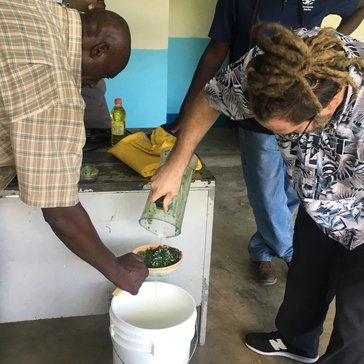
During my in-person Peace Corps service, I lived in two rural Jamaican communities where I worked on various projects, including agriculture, school sustainability, Wi-Fi access, and environmental efforts, such as addressing the disruption of river flow caused by mining. Living and working in these communities deepened my understanding of daily life, the complexities of trust, and how local priorities often differ from outside expectations.
As an ethnobotanist, I spent years exploring how worldviews influence decision-making, particularly in farming and land-use practices. This perspective has allowed me to appreciate both the resilience and limitations found in many smallholder farming systems across Jamaica. Some methods are incredibly resourceful; others have gaps, yet they all stem from genuine lived experiences.
With VSP, I wasn’t physically on the ground, so it was helpful to apply my previous understanding to shape how I delivered content. When officers raised concerns about farmer hesitancy or challenges in outreach, I could help unpack the “why” and facilitate an honest conversation. We weren’t just exchanging information; we were building shared insight. The two experiences felt connected. One provided me with a firsthand perspective, while the other allowed me to support those now working in those same communities, as well as many others I never had the chance to see.
8. What would you say to someone considering the Virtual Service Pilot?
If you're considering the Virtual Service Pilot, go for it—but do so with your heart. It’s more than just showing up on a virtual call or delivering content. You’re becoming part of a process that helps individuals engage in real, meaningful work. Even if you’re far away, the connection is still powerful.
Have fun with it. Allow yourself to be creative. Use the time to build, reflect, and grow—not just professionally but personally. It’s easy to forget how much we have to offer until we’re invited to show up in new ways.
What struck me most was realizing you can have a real impact on people’s lives—even if you never meet them face to face. That kind of connection, built from afar, is significant and, honestly, quite profound.
Being part of this experience helped me see my value more clearly—how my experiences and skills can ripple out and support something much bigger than myself. It reminds me of something Howard Zinn once said: “Small acts, when multiplied by millions of people, can transform the world.” This program is one of those small acts, and it matters more than you think.
I’m excited to start engaging with another partner in Jamaica: Jamaica Organic Agriculture Movement (JOAM). I will support their analysis of soil test results as well as guide and recommend interventions to improve soil health at various sites.



