 An official website of the United States government


Returned Volunteer Profile
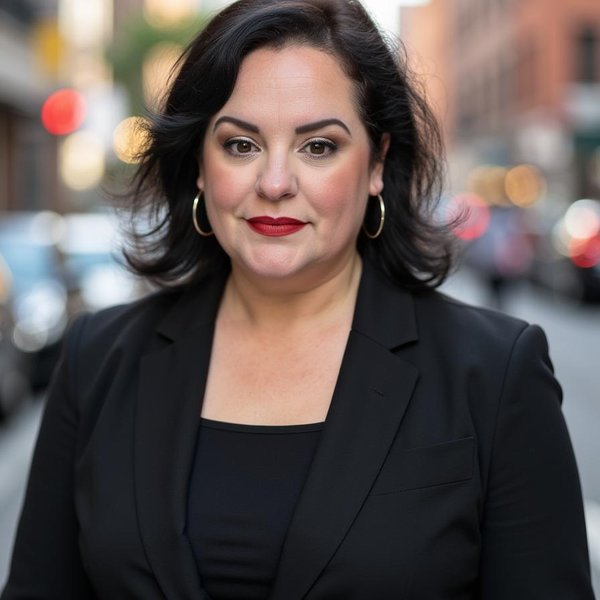
Bri S.
“Peace Corps didn’t just affirm my calling—it gave me the clarity and conviction to pursue leadership in public administration, ensuring that the systems we build truly serve the people they are meant to support.”
1. What were your primary responsibilities during service?
I arrived in El Salvador one year after a catastrophic 7.7 earthquake shattered the country, killing nearly 1,000 people and wiping out half its GDP in damages. A month later, another quake struck, deepening the devastation. The scars of war were still fresh—democracy, hard-won after a brutal civil conflict, felt fragile, and public institutions were strained under the weight of disaster recovery.
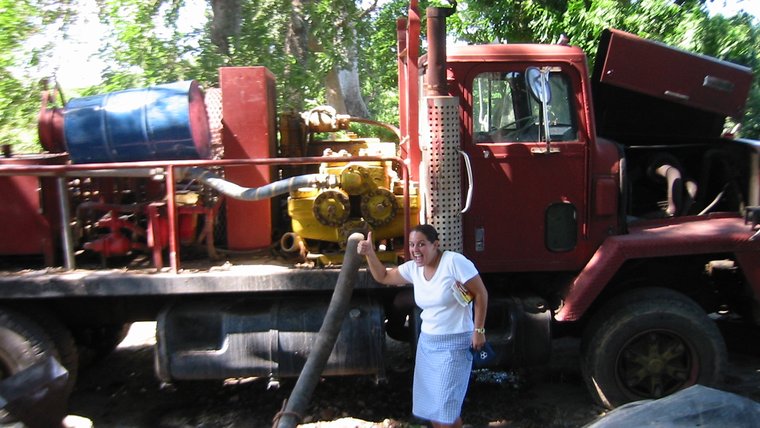
In this landscape of upheaval, our work was urgent and multifaceted. Peace Corps’ Water and Sanitation program tackled critical needs: rebuilding infrastructure, delivering health education, and empowering local leaders to sustain progress. In rural villages, we constructed water systems, led hygiene campaigns, and worked alongside community leaders to ensure their local development committees were legally constituted so the rebuilding efforts could continue long after we departed.
It wasn’t just about wells and latrines—it was about strengthening capacity, knowledge transfer, and organizing and laying the foundation for a stronger future.
2. What projects did you collaborate on with your community?
Peace Corps service in a rural community at the time had no clear roadmap—only needs, possibilities, and the will to make things happen.
Alongside committees I helped form and train, we built more than infrastructure—we strengthened capacity. Together, we fundraised, project-managed and constructed a potable water system, composting latrines, rainwater collection systems, well treatment tanks, and ecological stoves. We tackled waste management, launching a trash collection system to reduce disease and improve public health.
But my greatest joy was working with the youth. I started a girls’ soccer team—many played barefoot in school skirts—yet they remained undefeated for years. Through the game, we built trust, and that trust became a bridge to deeper conversations—about leadership, reproductive health, and HIV/STI prevention. What began as a soccer team became a movement. These girls, once players, grew into peer educators, leading workshops on sexual health and healthy relationships for youth in surrounding communities.
3. How did Peace Corps service influence your professional path?
I entered the Peace Corps knowing I wanted a career in public service, but the experience cemented my path. It gave me a front-row seat to the complexities of inter-institutional partnerships, the stark power imbalances that shape communities, and the systemic gaps that leave too many voices unheard.
Serving alongside those traditionally excluded from decision-making didn’t just fuel my passion—it made my purpose clear. I saw firsthand how policies are designed without the lived experiences of those they impact most, and I knew I wanted to change that. To reach the rooms where decisions are made, I needed to sharpen my skills, and graduate school became the next step.
Peace Corps didn’t just affirm my calling—it gave me the clarity and conviction to pursue leadership in public administration, ensuring that the systems we build truly serve the people they are meant to support.
4. How do you use skills honed during service in your current job?
The art of “bringing people along”—whether to a project, a vision, or a new way of thinking—has been a throughline in my career. As a Peace Corps Volunteer, it was a daily practice. Navigating cultural and interpersonal differences demanded constant reflection: checking my assumptions, examining my biases, and ensuring true understanding—not just translation. That discipline became one of my greatest strengths as a leader and teammate.
The power skills I learned in Peace Corps—adaptability, influence without authority, intercultural communication—have been far more instrumental in advancing my career than any textbook or classroom. Long before I ever had “manager” in my title, those skills helped me gather resources, gain buy-in, and build momentum behind ideas that mattered. I learned how to lead from the middle, to move things forward without waiting for permission.
And perhaps most lasting: I didn’t just become fluent in Spanish—I became bicultural. If you do Peace Corps right, you don’t just speak like a Salvadoran; you live like one. That’s a badge I wear proudly.
Knowing that arriving 50 minutes late to a quinceañera is actually right on time—that’s honorary Salvadoran. Singing every lyric to an Aniceto Molina song while scrubbing your house in flip-flops—that’s honorary Salvadoran. Giving a side-eye to anyone who eats a pupusa with a fork and knife? Most definitely honorary Salvadoran.
These moments live in me. They’ve shaped not just how I lead, but how I connect—with authenticity, humility, and joy.
5. How have you helped those at home understand the value of Peace Corps service and communities abroad?
I take every chance I get to talk about Peace Corps, El Salvador, and what it meant to live in a rural village where fishing and farming shaped the rhythm of life. Sharing those stories lets me relive some of the most joyful, challenging, and transformative moments I’ve lived. I've spoken to undergrads, grad students, high schoolers, service clubs—even cornered unsuspecting party guests. And every so often, someone sends a friend or cousin my way who's thinking about joining. Let’s just say my Peace Corps recruitment rate is … impressive. You can’t fake that kind of enthusiasm.
There’s no clearer mirror than stepping into a life that strips you of everything familiar—your titles, your routines, your safety nets, your cultural shorthand. Peace Corps gives you that raw, unfiltered chance to figure out who you are and what really matters to you—while doing some real good in the world (and yes, there’s an eject button if you get sick or things go sideways).
It changed me—fundamentally. I mean, down to the bacterial level in my colon, if we’re being honest. And I absolutely cannot wait to serve again in retirement.
6. What Peace Corps benefits have been useful to you?
I used my readjustment allowance to continue living in my community after completing service to finish the water project. I didn’t partake in any of the other benefits.
7. How have you remained involved with the Peace Corps community following service?
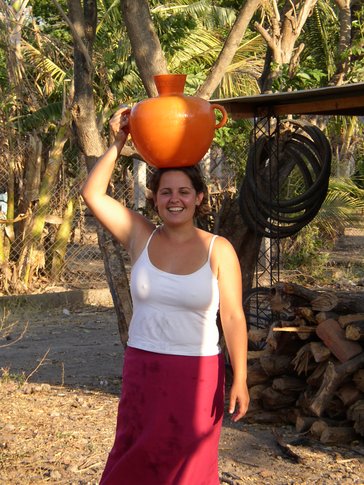
For years, I served on the board of a nonprofit I co-founded with a fellow Returned Peace Corps Volunteer (RPCV), raising funds to help kids from rural El Salvador attend secondary school beyond their home communities. It was a way to stay tethered to the place and people that shaped me, and to continue walking alongside them in a new chapter. That work kept me closely connected to RPCVs and their host communities for nearly 15 years.
Thanks to social media, it’s easier than ever to stay in touch with my Peace Corps friends—we still catch up when our paths cross in different corners of the country. But what I’m most grateful for are the enduring ties I still hold with my Salvadoran community.
This spring marks 20 years since I completed service, and not a week goes by without a message, voice note, or photo exchange with someone from La Barra. Just a few months ago, a former midfielder from my girls’ soccer team invited me to be madrina at her daughter’s quinceañera. I was deeply honored. The celebration turned into a reunion, filled with familiar faces and joyful memories after so many years apart. The connection hasn’t faded—it’s only deepened with time.
8. What tips do you have for Volunteers just returning from their service?
Find ways to stay connected to your community immediately—before time and distance start pulling you apart. The longer you wait, the harder it gets.
And trust me, you will get “Salvador-sick.” When that happens, you’ll need your go-to spots—the restaurants, festivals, and little corner shops where the culture lives. Seek them out. Find your people. There’s nothing quite like the sour taste of a green mango or familiar twang of a Salvadoran accent to transport you right back.



