 An official website of the United States government


Returned Volunteer Profile
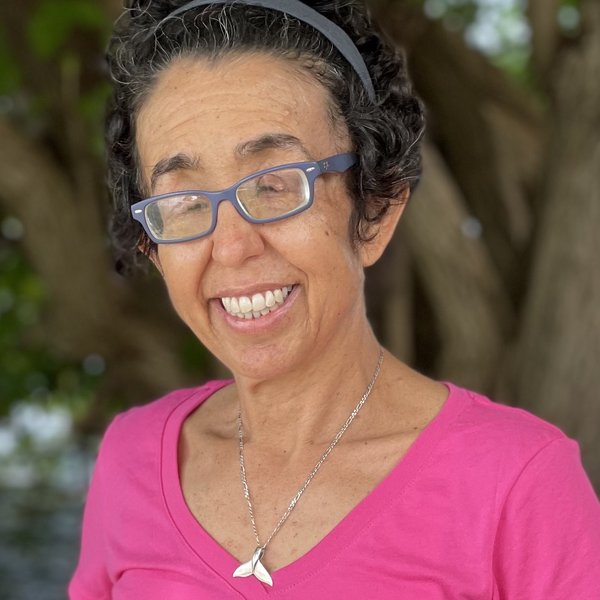
Kiki M.
“[During my Peace Corps service] I learned the importance of community organizing, which involves working closely with the community to see, listen, and understand their needs and wants, rather than assuming what they are.”
1. What were your primary responsibilities during service?
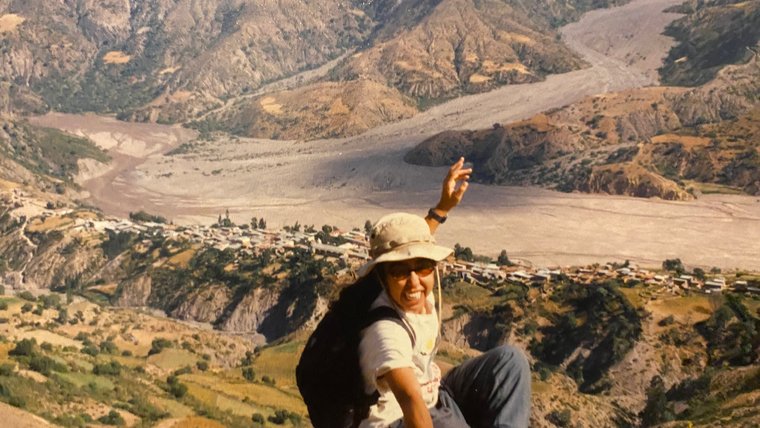
From 1999 to 2001, I lived in Bolivia, where I volunteered as a Soil and Natural Resource Volunteer. My responsibilities included implementing soil conservation techniques to prevent erosion and soil degradation, assisting in the sustainable use and preservation of local natural resources, and working with the community on environmental practices and sustainability. These activities were crucial in promoting sustainable development and managing the region's diverse ecosystems.
2. What projects did you collaborate on with your community?
While in Bolivia, I collaborated on several impactful projects with the Quechua community. Together, we engaged in tree-planting initiatives to enhance local reforestation efforts. We also utilized the A-frame technique to construct terraces and retention walls, which are essential for preventing soil erosion and promoting sustainable agriculture. Additionally, we grew various plants at the local nursery to support our reforestation projects, ensuring a steady supply of native species for planting. Our efforts extended to working with local schools and women's groups, fostering environmental education and empowering community members to participate in sustainable practices. These collaborative efforts were vital in promoting environmental stewardship and sustainable development within the community.
3. How did Peace Corps service influence your professional path?
My Peace Corps service brought about a significant shift in my professional path and development. Initially, I aspired to be a hardcore ethnobotanist, but my experiences in Bolivia led me to become an environmental educator instead. I realized that I could make a greater impact by helping people learn about our planet, fostering a love for nature, and encouraging the protection of natural resources. This paradigm change was driven by the understanding that healthy societies are intrinsically linked to a healthy environment. Through education, I aimed to empower individuals to contribute to the sustainability and preservation of our natural world.
4. How do you use skills honed during service in your current job?
In my post-Peace Corps job, I frequently draw upon the skills I honed during my Peace Corps service. I learned the importance of community organizing, which involves working closely with the community to see, listen, and understand their needs and wants, rather than assuming what they are. This approach has been invaluable in fostering genuine connections and addressing real concerns. Additionally, my experience working with diverse groups of individuals—including chauvinist men, disempowered women, and children—taught me how to navigate complex social dynamics and break down barriers of mistrust. I discovered the power of being genuine and the value of not having to know all the answers, which has helped me build trust and collaboration in my professional endeavors.
5. How have you helped those at home understand the value of Peace Corps service and communities abroad?
I often emphasize to those at home that if more people participated in the Peace Corps, we would truly have a more peaceful society and world. The Peace Corps plays a crucial role in uniting the world by helping us see the beauty and value of cultural differences. It shines a light on the fact that we are much more alike than we are different. Through my experiences, I've learned the importance of understanding that there are many different ways of doing things, and often our way may not be the right way. This perspective has helped me convey the profound impact of Peace Corps service and the importance of embracing global communities.
6. How have you remained involved with the Peace Corps community following service?
Since completing my Peace Corps service, I have remained actively involved with the Peace Corps community in several meaningful ways. I am a member of the Returned Peace Corps Volunteers (RPCVs) of South Florida, where I participate in a book club and attend social events. This group has been an excellent way to connect with fellow RPCVs and share our experiences. Additionally, I volunteer with a microcredit program called The Colombia Project Global with a group made up of mainly RPCVs. This initiative empowers individuals to climb out of poverty through microloans, making a tangible difference in their lives. Although social media did not exist during my Peace Corps service, I have reconnected with many friends from the Bolivian community where I served through Facebook. This platform has allowed me to maintain and strengthen these valuable relationships.
7. What tips do you have for Volunteers just returning from their service?
For Volunteers just returning from their service, it's important to recognize that you'll now see the world through different lenses. Readjusting can take time, sometimes a lot of time, and that's perfectly okay. Cherish the time you spent there and share the great stories you have. Your experiences have shaped you in unique ways and sharing them can help others understand the impact of your service.



