 An official website of the United States government


Returned Volunteer Profile
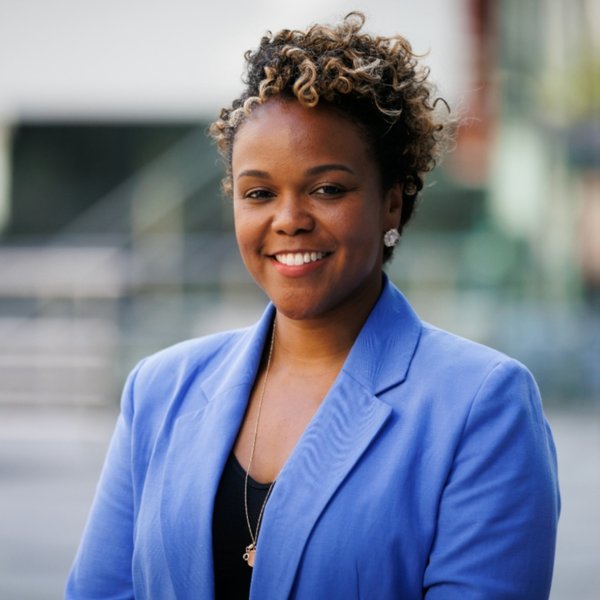
Larcus P.
“During my Peace Corps service, I became more adaptable, resourceful, and resilient ... In my current role as a senior project leader, these skills are necessary as I regularly navigate complex challenges, diverse stakeholders, and shifting priorities.”
1. What were your primary responsibilities during service?
I was a secondary school math teacher, teaching 8th, 9th, and 10th grade in southwest Guinea.
2. What projects did you collaborate on with your community?
During my Peace Corps service, I collaborated closely with my community on several impactful projects. In addition to teaching, I facilitated two school supply drives in partnership with an organization from the United States, ensuring much needed supplies were delivered directly to my school. Additionally, I led the organization and delivery of the 2009 Kankan Girls Conference, which brought together approximately 75 girls for workshops and discussions centered on gender-based violence. This event provided a safe space for learning, empowerment, and dialogue, and remains one of the most meaningful initiatives I was privileged to support.
3. How did Peace Corps service influence your professional path?
Peace Corps remains one of the most influential chapters of my life and career. The hands-on experience of teaching and participating in daily activities with my host family and village exposed me to both exceptional moments and the realities of living in areas where resources are significantly limited, infrastructure underdeveloped, and political uncertainty persists.
Witnessing these challenges firsthand inspired me to pursue a career dedicated to service and international development, with a particular focus on policy.
After my Peace Corps service, I had the opportunity to work for Water for People, a water and sanitation NGO. This experience deepened my commitment and led me to focus specifically on water, climate, and energy issues. Motivated by my time in Guinea, I pursued a master’s degree in public administration, which equipped me with the skills to lead energy-related projects across sub-Saharan Africa, the Western Balkans, and Eastern Europe. My work has centered on enabling access to electricity, and developing reliable, affordable energy systems to drive sustainable development.
4. How do you use skills honed during service in your current job?
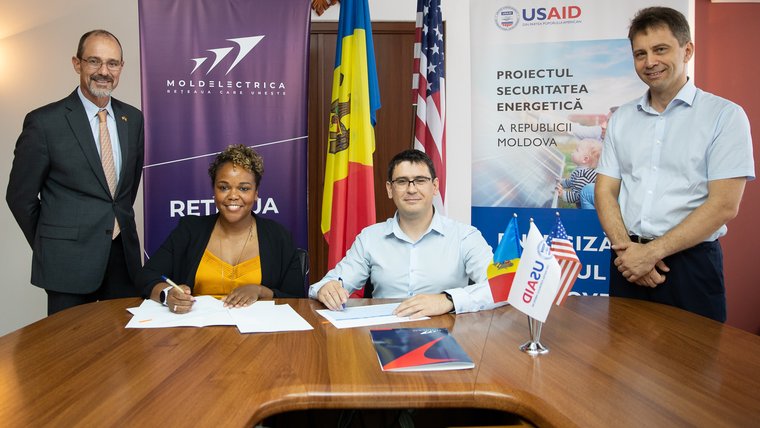
During my Peace Corps service, I became more adaptable, resourceful, and resilient, traits that have become foundational strengths in my professional life. In my current role as a senior project leader, these skills are necessary as I regularly navigate complex challenges, diverse stakeholders, and shifting priorities.
The ability to remain flexible and open-minded was shaped by my time in Guinea, where I initially arrived with a vision of what I wanted to accomplish. However, the realities of the environment quickly revealed the importance of humility and listening deeply to those around me. The Peace Corps profoundly transformed my approach to international and service work, teaching me that meaningful solutions to systemic problems require genuine understanding and collaboration, rather than imposing preconceived beliefs. This lesson has shaped my leadership style as I strive to foster inclusive teams, encourage open communication, and remain open in the face of uncertainty. The Western way is not always the right way, and my Peace Corps experience taught me to value local perspectives and adapt strategies to fit the context. This mindset continues to guide my work, whether managing projects across cultures or designing programs. The ability to release judgment, listen, and co-create solutions is a common thread throughout my professional journey.
5. How have you shared the value of Peace Corps service and communities abroad with people in the U.S.?
The value of Peace Corps remains at the core of my personal and professional life. I’ve had numerous opportunities to share my experiences with close family and friends, in professional settings, and with young people, specifically African Americans, interested in exploring the world. By recounting firsthand accounts of daily life, I hope to break down barriers, dispel fear, and foster understanding of different people and cultures. As the world becomes increasingly interconnected, it’s critical that we all have the knowledge and skills to engage comfortably across cultures. Sharing these stories helps others appreciate the richness and complexity of communities abroad and underscores the value of intercultural connection.
6. How have you remained involved with the Peace Corps community following service?
Since completing my Peace Corps service, I have remained connected to the community through close bonds with members of my Peace Corps cohort that have endured over the years. I also keep in touch with some of my former students in Guinea and when possible, donate to various local initiatives.
7. What do you miss most about your host country?
There is so much I miss about Guinea. The country’s landscape remains vivid in my memory. It is untouched, lush, and mountainous, offering a sense of tranquility that is difficult to find elsewhere.
I miss the simplicity of daily life, the stillness of the night, and bucket baths under the stars.
What stands out most, however, is the warmth and hospitality of the Guinean people. Despite having traveled extensively since my Peace Corps service, I have yet to encounter a community whose generosity matches what I experienced in Guinea.
8. What would you say to someone thinking about joining the Peace Corps?
The Peace Corps will transform your life in ways you can’t imagine. It will challenge you, cultivate new perspectives, and reveal strengths you never knew you had. Don’t let fear or uncertainty hold you back! Be courageous and embrace the opportunity with an open mind and heart.
Learn more about serving as a Peace Corps Volunteer in Guinea.



