 An official website of the United States government




Returned Volunteer Profile
Melissa P.
“My ability to connect with different populations, communicate effectively, and manage projects stems directly from the immersive and dynamic experiences I had during my Peace Corps service.”
1. What were your primary responsibilities during service?
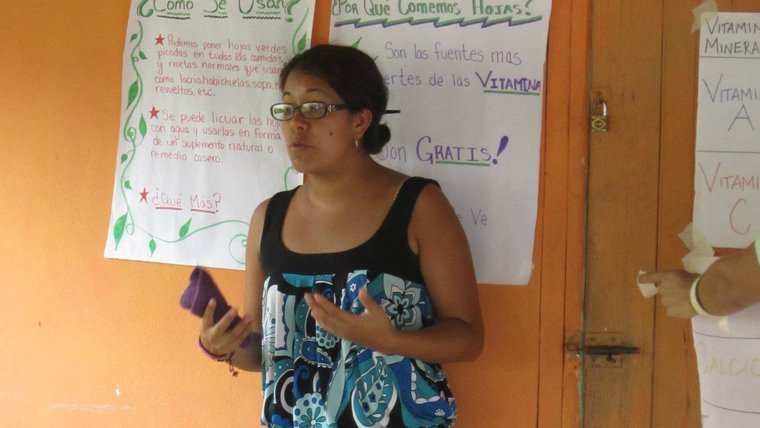
My primary responsibilities included teaching sexual health education and decision-making skills to youth, as well as providing nutrition and disease prevention education to women in rural communities. A key component of my work was training youth and women to become community health workers, empowering them to educate their own communities and neighboring areas. I also facilitated regional workshops on health education, ensuring that essential health knowledge was shared beyond my immediate community. Through these efforts, I aimed to promote sustainable health practices and foster local leadership in health education.
2. What projects did you collaborate on with your community?
One of the major projects I worked on was the Lorena Stove with Chimney initiative, which aimed to reduce upper respiratory infections caused by cooking in enclosed spaces. This project improved household air quality and, by utilizing locally sourced lorena clay, it also created short-term employment opportunities for youth and men in the community.
Additionally, I collaborated with a Business Volunteer from my cohort to facilitate a small business workshop in response to the community’s interest in entrepreneurship. Together, we taught participants how to make and sell mistolín, a homemade floor cleaner, providing them with an accessible and sustainable income-generating opportunity.
3. How did Peace Corps service influence your professional path?
My time in the Peace Corps ignited my passion for health education, which ultimately shaped my career path. Inspired by my experiences, I pursued an accelerated bachelor’s degree in science in nursing (BSN) and later became a public health nurse specializing in communicable disease prevention and detection. Wanting to further my impact, I went on to earn a master’s degree in public health (MPH) as a Coverdell Fellow at the University at Albany, where I also obtained a graduate certificate in global health studies. My Peace Corps service provided me with invaluable hands-on experience, reinforcing my commitment to public health and global health initiatives.
4. How do you use skills honed during service in your current job?
The skills I developed as a Peace Corps Volunteer—such as adaptability, resourcefulness, and relationship-building—have been instrumental in my professional career. Over the past decade, I have applied these skills across various roles, particularly in community engagement, public health, and patient care. The most impactful skill has been the ability to build trust and rapport, whether with community partners, colleagues, or patients and their families. My ability to connect with different populations, communicate effectively, and manage projects stems directly from the immersive and dynamic experiences I had during my Peace Corps service.
5. How have you helped those at home understand the value of Peace Corps service and communities abroad?
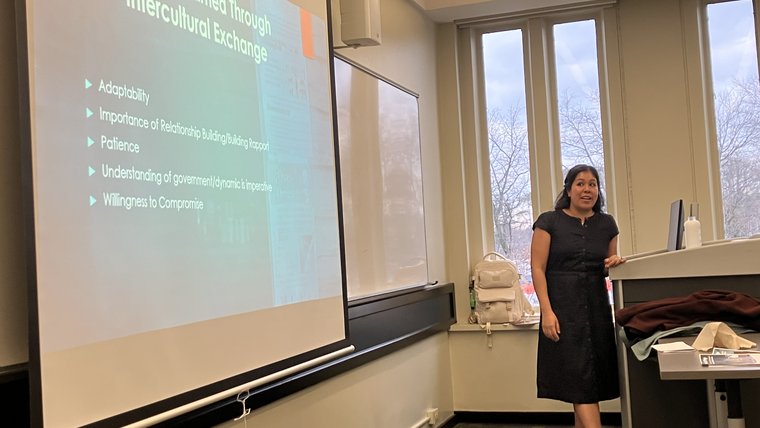
I strive to embody the lessons I learned during my Peace Corps service in both my personal and professional life. Additionally, I have had the privilege of sharing my experiences with students at the University at Albany and high school students in Newark, NJ, offering insight into the impact of the Peace Corps and life in the Dominican Republic. Most recently, I presented during Peace Corps Week at the University at Albany, discussing how my time in the Dominican Republic shaped my life and career. Through these engagements, I hope to inspire others to consider service and foster a deeper understanding of global communities.
6. What Peace Corps benefits have been useful to you?
The service award* provided me with financial stability as I transitioned back to the U.S., while the Coverdell Fellowship at the University at Albany enabled me to pursue my master’s degree in public health. These benefits not only eased my reintegration but also helped me further my education and professional goals in public health.
*readjustment allowance
7. Have you remained involved with the Peace Corps community following service?
I have stayed closely connected with fellow Returned Peace Corps Volunteers (RPCVs) from my cohort and beyond, many of whom have become lifelong friends. Some of our connections are so strong that our children are growing up together. I’m also an active member of the Returned Peace Corps Volunteers of Northeastern New York, where I engage in community events and networking opportunities. Maintaining close relationships with my host family and former students via WhatsApp has also been incredibly meaningful. One of the most special moments was returning to my host community with my own children, allowing them to experience the place and people that shaped such a significant part of my life.
8. What tips do you have for Volunteers returning from service?
I highly recommend connecting with Returned Peace Corps groups in your area, as they provide a great support system and networking opportunities. If you’re near a college or university, reach out to the Peace Corps recruiter or Peace Corps Prep coordinator—they can help you stay involved by sharing your experiences with prospective Volunteers. Staying connected with host community members, fellow RPCVs, and friends from service is also important. It helps ease the transition back to life in the U.S. while keeping you connected to the people and places that had such a profound impact on you.



