 An official website of the United States government


Returned Volunteer Profile
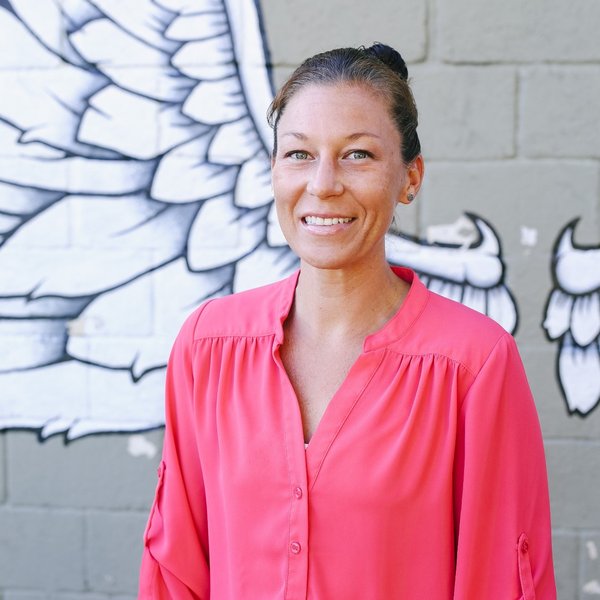
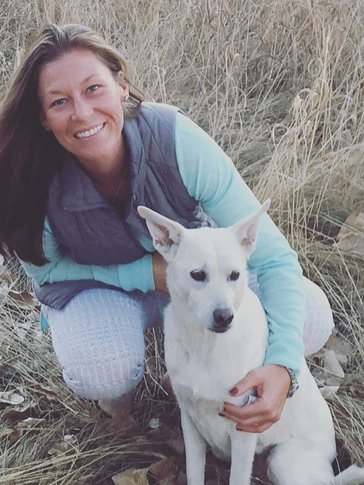
Karen N.
“When I entered the Peace Corps I thought I’d become a teacher, but through [my work with animals during service] I ended up pursuing a veterinary career. I’ve been a veterinarian for the past 8 years and I owe it all to the Peace Corps.”
1. What were your primary responsibilities during service?
As a Community Service Volunteer in St. Vincent I had four main projects. My primary project was to help initiate a remedial reading program at a secondary school. I obtained a grant that supplied 800 books to the school. I also supported a biweekly women’s group that engaged women in the community. Our activities included preparing for upcoming celebrations, exercise classes, nutrition, and cooking classes. I collaborated with another Volunteer to initiate the first school for children with special needs.
Finally, I worked with Dr. Colin B., a veterinarian in Kingstown, to start a wellness, spay, and neuter program for the windward side of the island. On Tuesdays I travelled to the clinic to assist with the animals and brought basic supplies back to my village to help small animals on the windward side. This experience changed my life and inspired my continued education to become a veterinarian.
2. What projects did you collaborate on with your community?
I lived in a wonderful community. Harvest festivals bi-yearly were a big part of community celebrations. I helped prepare and package food for sale as part of the celebrations. I also was very involved with the children and the lead teacher at the secondary school to provide books and improve the literacy rate of children in our rural community.
3. How did Peace Corps service influence your professional path?
Peace Corps had a direct influence on my professional development. When I entered the Peace Corps I thought I’d become a teacher, but through Dr. B.’s influence and my work with animals I ended up pursuing a veterinary career. I’ve been a veterinarian for the past 8 years and I owe it all to the Peace Corps.
4. How do you use skills honed during service in your current job?
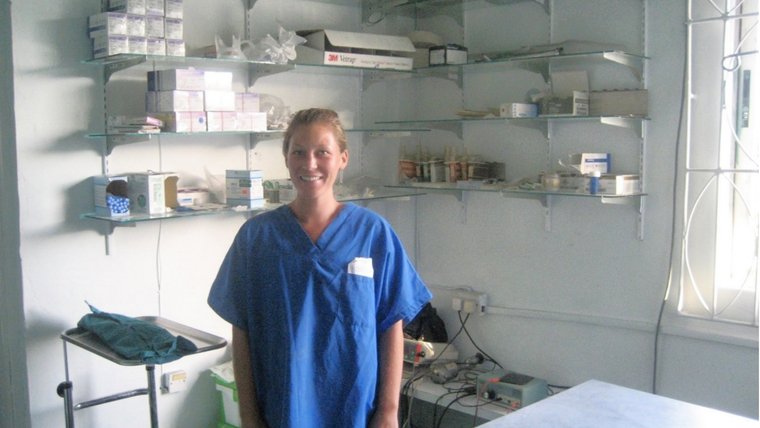
My Peace Corps experience absolutely led me outside of my comfort zone. Creature comforts that I was used to growing up were not available. I’m able to handle and communicate with diverse clients at the veterinary clinic and to work in unexpected conditions—for instance, when a car took out the power line in front of our clinic, I was able to continue with the surgery; I was using skills from my Peace Corps experience. Overall it has allowed me to be a more understanding human in this world of chaos.
5. Have you helped those at home understand the value of Peace Corps service and communities abroad?
A lot of stories I share with others are about the Peace Corps, often comparing how we live here in the U.S. to the life I lived in St Vincent. I’m grateful to be able to take my now- husband back to St Vincent. We had lunch with my homestay mom, saw my house, hiked around my village, and rode in public vans. It was amazing to be able to share this experience with him.
6. What Peace Corps benefits have been useful to you?
The service award (readjustment allowance) I received after returning to the U.S. was a great help to reestablish myself and adjust back to life in the U.S. I was able to put down a deposit on an apartment and it gave me a bit of time to find a job and re-settle back into life.
7. Have you remained involved with the Peace Corps community following service?
I befriended six girls from the Volunteer cohort that arrived after me. Sixteen years later, we are all still in a group chat. I’ve visited one in New York City while she was getting a master’s degree at Columbia. We went to one of their weddings in Bequia. I’ve visited my homestay mom, and I try to return to the island every 6 years or so to see my “kids,” who are now adults having children of their own. It has been a life-changing experience and I continue to be involved and grow with my St Vincent family.
8. What tips do you have for Volunteers returning from service?
Returning to America is an adjustment. I felt moments of anger, as Americans truly have so much and developing countries have so many struggles. The longer I’m home the more I realize that it is the simpler lives that may truly have the most—without the influence of media and devices, family and community time becomes so much more important and valuable. Embrace your return as the next step in your Peace Corps experience.
Learn more about serving as a Peace Corps Volunteer in the Eastern Caribbean.



