 An official website of the United States government


Returned Volunteer Profile
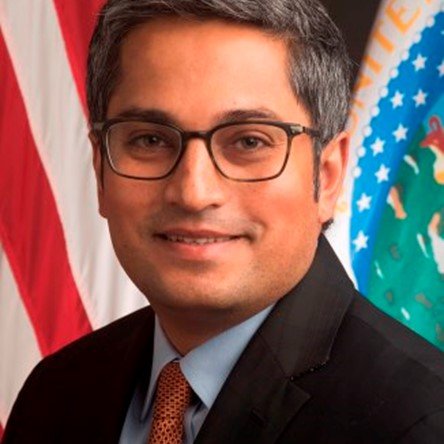
Nirav S.
“Back home is a great time to think about your service and what truly spoke to you. Keep that spark alive, use the skills you've picked up, and build on them.”
1. What were your primary responsibilities during service?
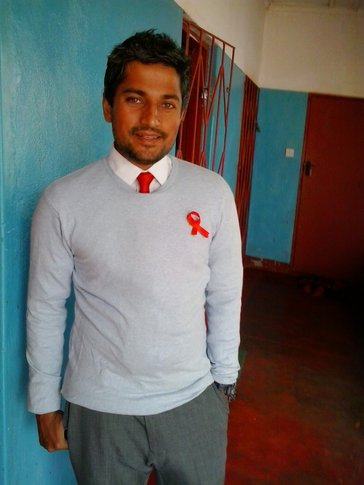
As a Health Volunteer in Zambia, I worked with a community of around 15,000 people. Our focus was crucial health initiatives that that addressed topics such as HIV/AIDS and malaria. I organized lectures and seminars on preventative health measures and created educational flipcharts.
A highlight of my experience was conducting Grassroot Soccer (GRS) workshops at a nearby middle school. The program leverages the power of soccer to equip young people with life-saving information, services, and mentorship that can help them live healthier lives. It was truly heartwarming to see youth become engaged and get inspired to take action.
I also devoted a significant amount of time to tutoring young children, and through this experience, felt a profound connection to their growth and learning.
2. What projects did you collaborate on with your community?
One project ignited my passion like no other: SmartCare! This groundbreaking pilot initiative was an electronic medical record (EMR) system that I launched in my community in partnership with CDC Zambia and the Elizabeth Glaser Pediatric AIDS Foundation (EGPA). These esteemed organizations played a vital role in my area's health landscape, and I knew we could make a healthy impact together.
Alongside extensive training for my health staff, including the dedicated team at our local clinic and hospital, I collaborated closely with a pharmacist to get the project rolling.
SmartCare transformed patient records management in my community. Instead of relying on older methods like books and pens, each patient received a SmartCare card that securely housed their medical history. When they came for their medications, everything was neatly organized and recorded. The risk of losing vital health information became a thing of the past.
Building awareness about this innovative project among hospital staff and local community leaders was essential. The engagement from chiefs, community members, and local leaders fueled excitement around this initiative, and it was inspiring to see everyone rally together for such a rewarding cause.
The digital approach was not without its challenges. We introduced computers and battery-sized generators to ensure the system succeeded in villages where electricity was often scarce.
A decade later, SmartCare continues to flourish in the community. I am incredibly proud of the lasting positive change we made. Connecting with the people this initiative served and hearing their stories still resonates with me profoundly, even after all these years.
3. How did Peace Corps service influence your professional path?
After completing my MPH and MBA, I wanted to work in the federal government. I was disappointed when my job search didn’t bear fruit but held onto my dream. Instead I joined the Peace Corps and, after service, gained non-competitive eligibility (NCE) status. I reapplied to the federal government, eventually finding a position as an immigration service officer with U.S. Citizenship and Immigration Services. From there, I transitioned into the role of public affairs specialist with the USDA and later took a public affairs position at the Peace Corps. Eventually I returned to USDA.
Each of my experiences opened doors for me. The Peace Corps was a transformative catalyst, propelling me onto a deeply fulfilling path. Now I find myself yearning to serve again in Nepal. I'm counting the days until I can embark on this next chapter of my journey.
4. How do you use skills you honed during service in your current job?
In the Peace Corps you learn how to communicate, manage, think outside the box, speak a foreign language and more. I got a chance to work with different stakeholders in different capacities. I learned how to think and present on the fly, without relying on materials like a structured PowerPoint as a crutch. After service, I continued to build on every one of these skills and put them to use.
5. Have you helped those at home understand the value of Peace Corps service and communities abroad?
Whenever I connect with someone, I aim to inspire them about the Peace Corps. I mention my Peace Corps experience not to boast but to show the incredible impact it can have on lives. My goal is to spark a desire to serve, leaving them with an appreciation for how transformative the Peace Corps can be. I also eagerly share my experiences through panel interviews to encourage others to embrace this remarkable opportunity.
6. What Peace Corps benefits have been useful to you?
While I am deeply thankful for benefits like non-competitive eligibility (NCE) and the service award*, the true gift lies in the wealth of experiences I gained through connecting with extraordinary people. As a people person, I thrive on creating bonds with others, and the relationships I build are treasures that far outweigh anything else. I find it immensely gratifying to hear about people's challenges and witness their resilience and smiles despite life's difficulties. That, to me, is priceless.
*readjustment allowance
7. Have you remained involved with the Peace Corps community following service?
One way I've remained engaged with the Peace Corps community is through marathon fundraising, even despite a major health challenge. After a heart procedure following a near heart attack, I was uncertain about my ability to run. The marathon was just months away. I relied on my resilience and commitment to help me train for and participate in the marathon. I’ve run the Chicago Marathon three times now. This past year, I raised over $400 for the Peace Corps Partnership Program, which I matched, resulting in an over $800 donation.
8. What advice do you have for Volunteers returning from their service?
Take a moment to soak it all in. Back home is a great time to think about your service and what truly spoke to you. Keep that spark alive, use the skills you've picked up, and build on them. Look for other ways to make a positive impact and let that inspire you.
Learn more about serving as a Peace Corps Volunteer in Zambia.



