An official website of the United States government

Official websites use .gov
A
.gov website belongs to an official government
organization in the United States.

Secure .gov websites use HTTPS
A
lock (
) or https:// means you’ve safely connected to
the .gov website. Share sensitive information only on official,
secure websites.

Search
Connect with the Peace Corps
If you're ready for something bigger, we have a place where you belong.
Apply to the Peace Corps
The application process begins by selecting a service model and finding an open position.

Let us help you find the right position.
If you are flexible in where you serve for the two-year Peace Corps Volunteer program, our experts can match you with a position and country based on your experience and preferences.
Serve where you’re needed mostYouth Development Teacher
 Youth in Development
Job highlights
- Gain transferrable training and international experience teaching life skills and wellness.
- Learn Siswati from skilled Language and Cross-Culture Facilitators.
- Build meaningful relationships and experience the strength that comes with community connections.
Get answers live — every weekday at .
Apply by
November 15, 2026Know by
January 1, 2027Depart on
June 3, 2027Duration
2 years, plus 3 months trainingAbout the project
Are you dedicated to helping young people develop into well-rounded adults with essential employability skills? This opportunity is for you!
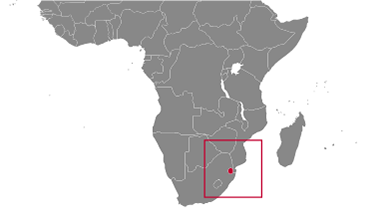
Eswatini is harnessing the strength, creativity, and leadership of its young people, who make up more than half the population. Strong school and community engagement structures already support youth development yet major obstacles persist: HIV rates remain high, fewer than half of students advance to high school, and youth unemployment is 53 percent for both young men and women. These challenges not only make the transition to adulthood difficult, but they also limit opportunities, underscoring the urgent need for targeted investment and support.
As a Youth Development Teacher, you will collaborate with teachers, coaches, and school committees to equip the youth with essential skills. Together, you will teach life skills classes, lead clubs that promote healthy behaviors, and support programs that motivate students. Over time, this effort will foster safer, youth‑friendly learning environments and build young people’s confidence, leadership, and employability.
Learn more about what Volunteers do in country by visiting our Eswatini project page.
Required skills
Qualified candidates will have one or more of the following criteria:
Master's degree in social work, psychology, education, youth development, applied behavioral science, or a related field.
OR
Bachelor's degree in social work, social studies, psychology, education, youth development, applied behavioral science, or a related field with at least 3 months of experience working with youth and/or families.
OR
High school diploma or GED and three years of experience working with youth and/or families, preferably from under-resourced communities.
Language: There are no pre-requisite language requirements for this position.
Required behavioral competencies
These competencies are essential for all service assignments and are assessed in the application and interview process:
Motivation for and commitment to service
Adaptability and open-mindedness
Problem solving and resourcefulness
Behavioral maturity and professionalism

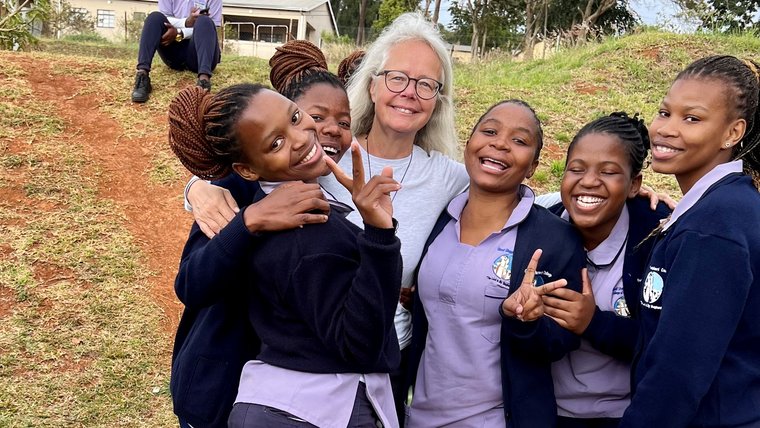
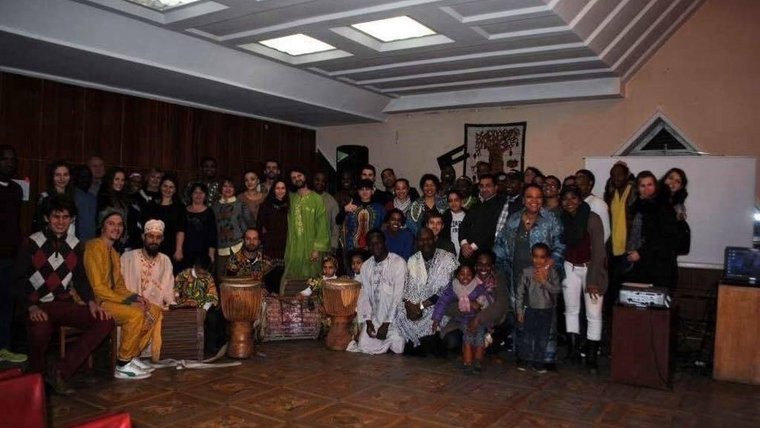
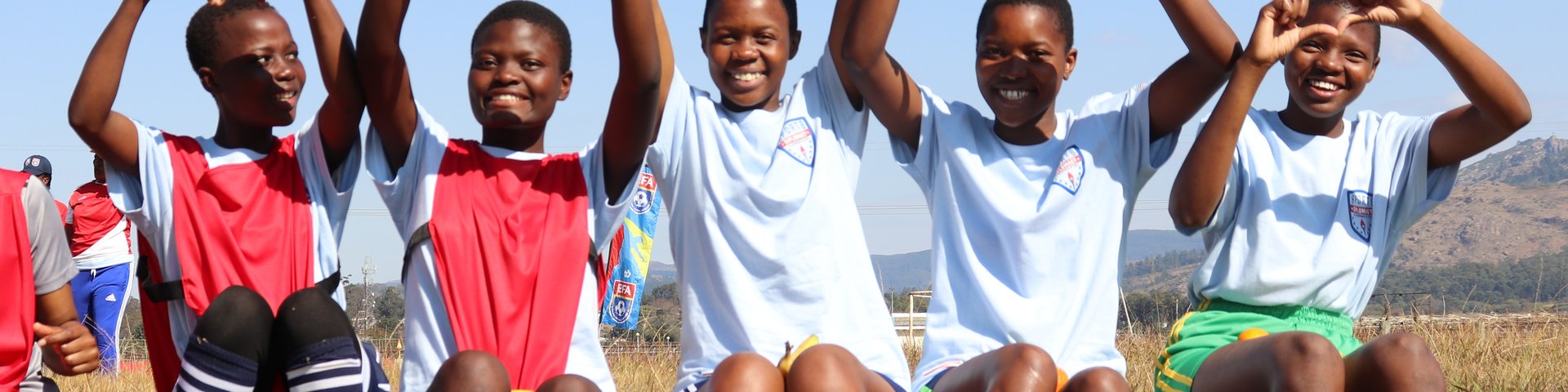
Photos from Eswatini



How you and the community will make an impact together:
Team up with teachers to create engaging life‑skills lessons.
Plan and lead life‑skills sessions with out‑of‑school youth through weekend clubs and activities.
Create youth clubs that build employability, basic business, and personal money management skills.
Inspire and guide youth to lead projects and initiatives that make a real difference in their schools and communities.
Connect youth with youth-friendly medical services.
You may also work on additional projects that meet the community’s interests and priorities, such as a running club or digital literacy training.
Volunteers will live on a host family homestead in a stand-alone, private hut in any of Eswatini’s four regions. While electricity is widely available and most Volunteers live with modern conveniences, Volunteers should also be prepared to live without electricity and running water.
Learn more about the living conditions, including detailed information on culture, communications, housing, and health/crime statistics on our Eswatini country page. You can also delve into stories about local communities by reading our blog or Volunteer stories.
Meet a Volunteer in Eswatini
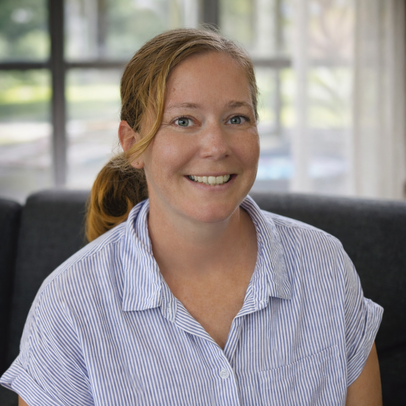
Emmajean S.
Health Extension Volunteer
"Even if you didn’t complete a university degree, many Peace Corps programs accept work experience or a combination of an associate’s degree and work experience as a substitute."
See full Volunteer profile
As a Youth Development Teacher, you will be trained on positive youth development strategies, basic business skills, and Eswatini’s National Life Skills Education curriculum. Peace Corps/Eswatini will teach you Siswati to help you comfortably live in and connect with the community.
After nine weeks of training, you will move to a rural community where you will collaborate with middle and high school educators to assess the needs and develop solutions based on evidence-based practices.
Only heterosexual couples can be accepted for this program. Each person must apply separately and qualify for a position in a different sector than their partner. Couples will live together during training but may separate occasionally for field-based activities. Couples that serve in this country must be legally married to avoid conflicts that are not aligned with cultural and religious beliefs.
To learn more about serving as a couple in Eswatini, visit the country page.
Application process
From application to departure takes around nine months. Learn about the application process for Volunteer opportunities.
Medical/legal clearance
You will need to be cleared medically and legally in order to serve in Eswatini. Review information on medical clearance and legal clearance to learn about the process.