An official website of the United States government



Tips for serving in Eswatini from 4 Peace Corps Volunteers
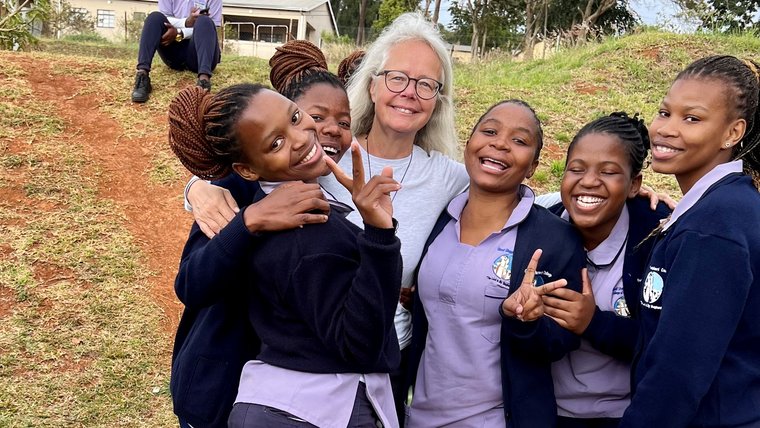
Your acceptance letter is in hand and now you’re eager to learn what your next chapter has in store for you. Volunteers who served in Eswatini (formerly known as Swaziland) share their experiences to help you prepare for a meaningful time overseas.
An average day
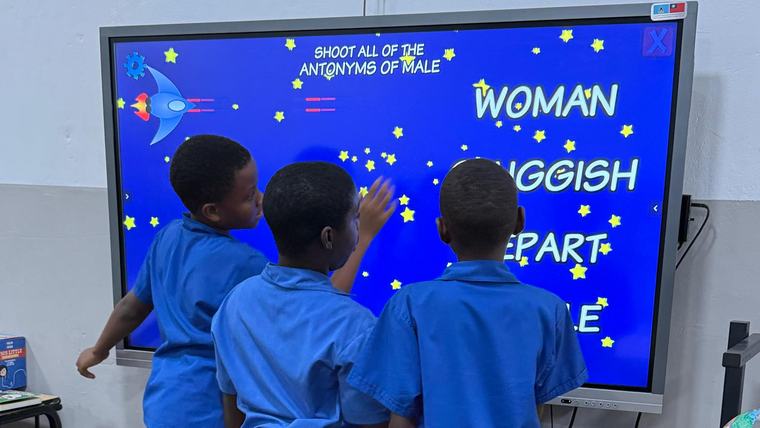
Every Volunteer has a unique experience, and no two days are the same. Your service assignment will often shape your weekly schedule. In Eswatini, assignments fall within two sectors: Youth in Development and Health. A Youth in Development Volunteer may co-facilitate a life skills club at a secondary school, while a Health Volunteer may promote HIV/AIDS screening with the local health facility.
Regardless of the assignment, you’ll have plenty of time to relax and enjoy hobbies, such as baking, reading, yoga, journaling, or photography. There may also be opportunities to transform your passion into a secondary site project. For instance, you could apply your green thumb to create a community garden and teach composting.
“After school, I ride or walk home. I change into some kind of loungewear and sit on my porch or go for a late afternoon bike ride. I’ll typically try to find my host mom to greet her, especially if I didn’t see her in the morning. Sometimes, neighbors or friends will stop by to chat. Sometimes, I read a book until the sun sets. This is also when I do my chores, like watering and weeding my garden, sweeping my house and porch, cutting grass or washing dishes,” shared Kirby R., a Youth in Development Volunteer (2016-2018).

Your new home
You can be confident that you will have safe and adequate housing that meets Peace Corps’ site selection criteria. Housing is often different from site to site. One Volunteer may live in a grass-thatched hut on their host family’s property, while another may have a one-room apartment on the campus of a university. Running water and electricity are not guaranteed, but with each passing week and month, your site will start to feel like home.
“Living with my Swazi family was perhaps the greatest part of my first two years in eSwatini. I genuinely view them as my second family and when someone asks me what my last name is, I proudly say 'Magagula.' I’m proud to have become part of such an amazing family—they were the people I turned to when I was having a tough day,” Nate A. (Eswatini 2016-2019).
Language
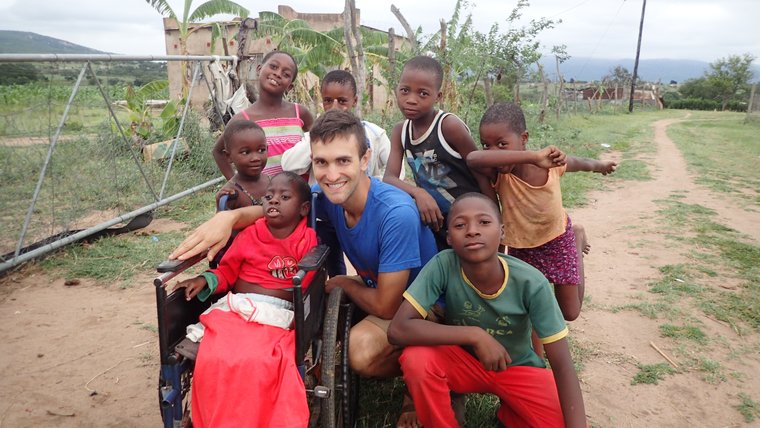
You may feel pressure to learn siSwati before you leave, but service will immerse you and support your language acquisition in a way that apps and books simply cannot. The Swazi people will appreciate you practicing the language. After all, it demonstrates your interest in integrating into their community. Try practicing travel-related vocabulary at the taxi rank, food items at the village tuk shop, and greetings when you pass someone on the road.
If you still would like to learn a bit of the language before you go, listen to these Volunteers share their experience learning the language and a few of their favorite phrases.
People
Many Returned Peace Corps Volunteers (RPCVs) say the highlight of their service was the people they met. This may include Volunteers from your cohort, or the dedicated Peace Corps staff who support you, but often, it’s the community members you spend most of your days with.
“The highlight of my service so far has been seeing the students not only learn a marketable occupation in an emerging field, but to see them employed and able to support themselves and their families. In an overall, general sense, another benefit is the EmaSwati, the people of Eswatini. The students I have been privileged to work with, and my colleagues and their families, have been wonderful. I have felt so welcome and at home,” Joy A. (Eswatini 2020-2024).
Packing
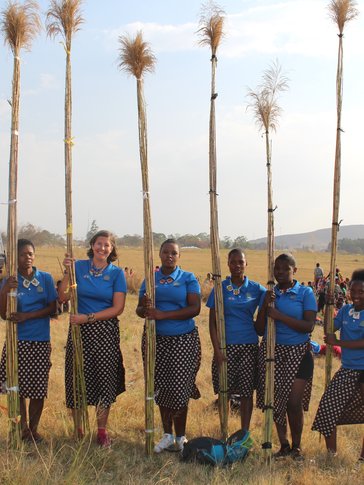
Pack what you already have. There’s a good chance you will handwash your laundry, which can take its toll on garments. Don’t buy new if you don’t have to. Be sure to pack a few semiformal and modest outfits. Swati dress to impress! For men, this can mean complete suits; for women, knee-length dresses and skirts. Looking for an easy way to integrate? Hire a local tailor and don the colorful, traditional attire for special celebrations like weddings or the Umhalnga reed dance. For more insight on the clothes to pack, check out our packing guidance for Eswatini and the country’s dress code.
Other items you may want to consider packing:
- An electric converter to accommodate the country’s voltage (220).
- Small items that remind you of the States like photos, a map, or a certain type of tea.
- A gift for your new host family, such as a deck of cards or a small candle.
- An unlocked mobile phone that you can use after purchasing a SIM card.
Making an impact
Two-year Volunteers and Response Volunteers alike want to make the most of their time in country. The best way to do that? Focus on skill sharing and strengthening the capacity of others. It may take longer to train someone on a process or approach but sharing that knowledge will ensure sustainability.
“I think the best way to navigate this is to focus on skill building and not on products. Empowering the nurses to do the work themselves was my best strategy. I felt satisfied when I learned that five months after my completion of service several nurses shared our work at a partner networking meeting,” Rebecca M.
If you’re interested in learning more from Volunteers who served in Eswatini, you can find and connect with country groups through the National Peace Corps Association. Or if you’re inspired to check out positions that are available now, browse opportunities here