An official website of the United States government

Official websites use .gov
A
.gov website belongs to an official government
organization in the United States.

Secure .gov websites use HTTPS
A
lock (
) or https:// means you’ve safely connected to
the .gov website. Share sensitive information only on official,
secure websites.

Search
Connect with the Peace Corps
If you're ready for something bigger, we have a place where you belong.
Apply to the Peace Corps
The application process begins by selecting a service model and finding an open position.
Let us help you find the right position.
If you are flexible in where you serve for the two-year Peace Corps Volunteer program, our experts can match you with a position and country based on your experience and preferences.
Serve where you’re needed mostSpecial Needs Educator
 Education
Job highlights
Applications are now closed. View current openings.
Apply by
January 1, 2026Know by
May 1, 2026Depart on
September 18, 2026Duration
2 years, plus 3 months trainingAbout the project
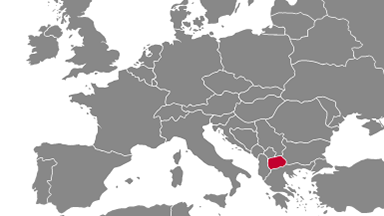
Peace Corps has a long and rich history in North Macedonia. Peace Corps Volunteers (PCVs) have played a pivotal role in the country’s growth by offering their skills and talents for nearly 30 years with nearly 900 Peace Corps Volunteers having successfully served in the country. Since Peace Corps North Macedonia’s inception, Volunteers have inspired their counterparts and community members, created sustainable projects and programs, and formed lasting person-to-person connections, leaving an enduring legacy in their host communities.
The Special Education Project is critical to the mission of building a more welcoming and accessible society for all individuals in North Macedonia. Specifically, Special Needs Educator Volunteers are needed to improve the quality of teaching and special education in primary schools for students.
Currently, there is lack of teacher training to support students with special needs in classrooms. Educational and social care systems are engaged in reforms on the national and local level which promote special education. Schools working with individuals with special needs in North Macedonia are facing many challenges, including a lack of resources and trained teachers.
Volunteers may work with beneficiaries of different age groups, from children to adults, in multiple contexts: schools, non-governmental organizations, and government daily centers for education and care of persons with special needs. Schools operate with limited resources for teaching and many schools lack designated spaces for students with special needs. Volunteers are also expected to work with limited resources focusing on teacher and staff training. They will serve as coaches and help develop teacher and staff competencies for successful lesson planning and teaching in an inclusive classroom. Volunteers will work Monday to Friday, 20-30 hours a week, in addition to engaging in extracurricular activities (clubs and other activities at the school). The school year begins September 1 and ends June 10, with one winter break in January.
Volunteers participate in a range of activities that include, but are not limited, to the following:
Assisting special education teachers and public-school teachers to improve the school’s approach to special education
Training school staff working with special needs students on data collection tools, lesson planning, differentiated teaching, classroom and behavior management, classroom modification and resource development
Coaching school staff to work with parents and include them in the education process and/or school activities; virtually if necessary
Working with parents on empowerment activities and the development of support groups
Helping with resource development and lesson planning
Supporting the process of including beneficiaries in communities where there may be a high level of stigma and exclusion toward people with special needs
Supporting government daily centers to promote social inclusion and the development of life skills for people with special needs.
Learn more about what Volunteers do in country by visiting our North Macedonia project page.
Required skills
Qualified candidates will have one or more of the following criteria:
Competitive candidates will have one or more of the following criteria:
• Bachelor of Arts/Bachelor of Science degree in Special Education (general or with emphasis in visually- or hearing-impaired)
OR
• Bachelor of Arts/Bachelor of Science degree in any discipline with state certification in special education (general or with emphasis in visually- or hearing-impaired)
OR
• Bachelor of Arts/Bachelor of Science degree in Education with experience working with persons who are learning disabled, developmentally disabled, emotionally handicapped, physically handicapped, multiply handicapped, hearing-impaired, or visually-impaired
OR
• Bachelor of Arts/Bachelor of Science degree in any discipline with experience working in classrooms or residential homes with persons who are learning disabled, developmentally disabled, emotionally handicapped, physically handicapped, multiply handicapped, hearing-impaired, or visually-impaired
Language: There are no pre-requisite language requirements for this position.
Required behavioral competencies
These competencies are essential for all service assignments and are assessed in the application and interview process:
Motivation for and commitment to service
Adaptability and open-mindedness
Problem solving and resourcefulness
Behavioral maturity and professionalism

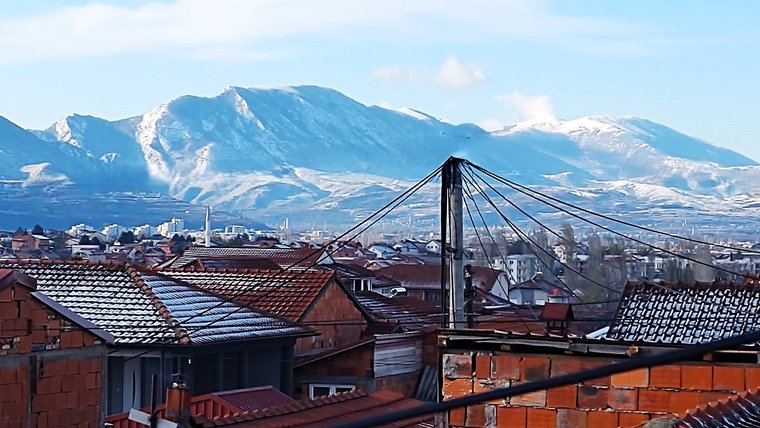
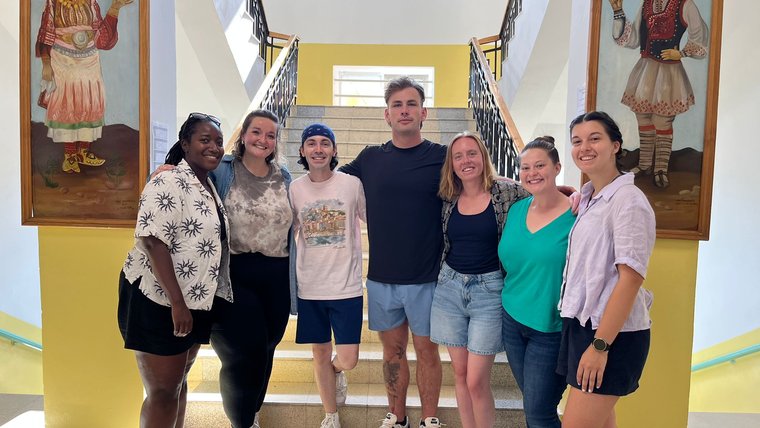
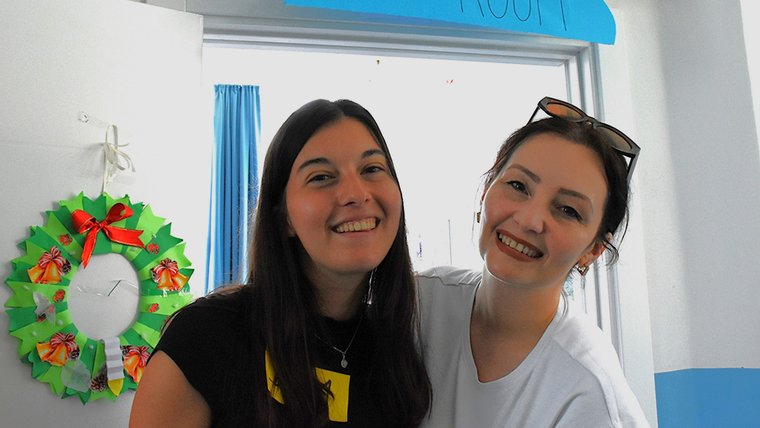
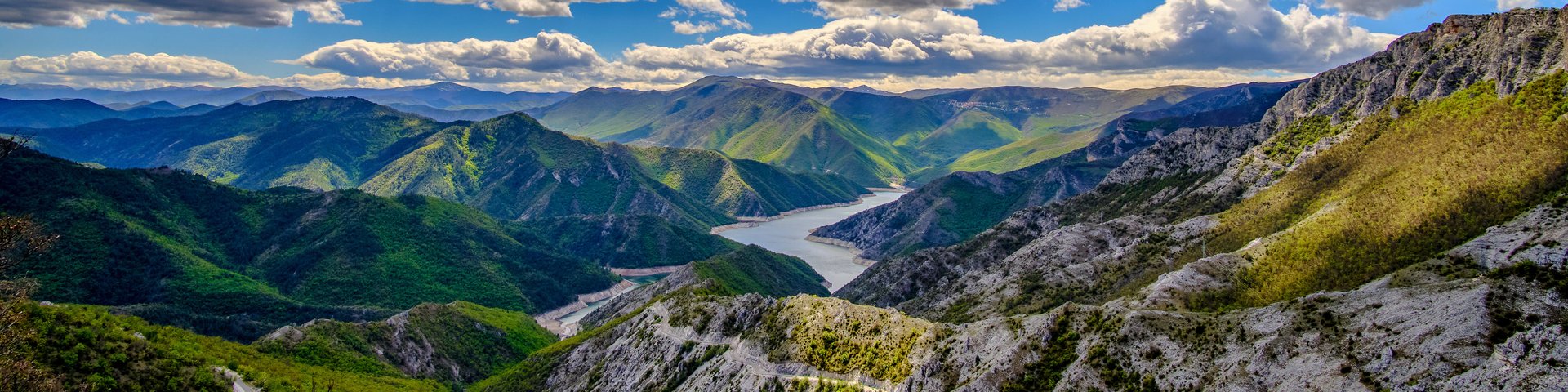
Photos from North Macedonia



How you and the community will make an impact together:
Living Conditions: Volunteers will live with host families during their initial Pre-Service Training and with a host family or in modest independent housing during their service. Some Volunteers live with a host family for their entire service for several reasons, including convenience, better integration and personal security, or a lack of other housing options. While living with a host family, Volunteers are expected to participate in family events and daily chores and respect the individual rules of each household. Volunteers may cook and eat together with their host families. Volunteers are expected to be frugal in their use of utilities because of the high cost of electricity. Volunteers are expected to maintain a high level of cleanliness in their space and shared spaces.
Social and Cultural Norms: Volunteers should expect to have much less alone time than they may be used to. Volunteers who spend ample time with their host or resource families, landlords, neighbors, and colleagues will enjoy a higher level of integration.
Smoking: Smoking is widespread and common in North Macedonia, including in public places such as bars, cafes and restaurants. Secondhand smoke indoors is largely unavoidable, and it may be considered rude to ask someone to refrain from smoking, especially in their own homes.
Diet: Vegetables, meat (chicken, beef, pork), bread, and sunflower oil are staples in Macedonian cooking. Olive oil is available for purchase, but more expensive and not widely used in households. Dairy products are also a regular part of the diet. Vegetarian diet is not very common and requires a level of responsibility on the part of the Volunteer to communicate with their host family and adjustment to the local diet. Legumes and nuts are widely available. Certain fruits and vegetables (avocado, asparagus, mango) are quite expensive and rarely consumed in an average family and only available for purchase in larger cities. Eating out at restaurants may be difficult for vegetarians, as most menus consist of meat dishes.
Weather: North Macedonia has a continental Mediterranean climate characterized by long, dry, hot summers and cold winters. Roads are frequently icy and not cleared. Many buildings are not heated or poorly heated. Homes will also likely be colder during the winter than in the U.S. as most lack central heating. Volunteers rely on wood-burning stoves and space heaters. Volunteers should bring winter clothes and clothes that can be layered. In summer, air conditioning is not available everywhere, and often not used extensively as in the U.S. even if available.
Dress Code: Personal appearance is important to people in North Macedonia and people dress professionally at work. Some organizations or institutions are more relaxed about dress codes, while others are more conservative. Men usually wear slacks, shirts (sometimes a tie), and a sweater or a jacket in cooler weather. Women usually wear dresses, skirts (knee-length or longer), or slacks.
Intercultural Environment: The culture in North Macedonia is generally conservative, although it may not appear so at first. Some Volunteers may experience a high degree of unwanted attention, such as comments about their appearance, questions about their background and staring. It is also not very tolerant of the non-heterosexual community and being open about one’s sexual orientation carries potential safety and security risks. Hence, to ensure Volunteer safety and quality of experience Volunteers are advised to keep their non-heterosexual orientation confidential and be very careful about whom they disclose it to. If someone is uncomfortable keeping their orientation hidden, they should reconsider serving in North Macedonia. Peace Corps staff is open, supportive, and trained to provide the best support to all Volunteers.
Learn more about the living conditions, including detailed information on culture, communications, housing, and health/crime statistics on our North Macedonia country page. You can also delve into stories about local communities by reading our blog or Volunteer stories.
Meet a Volunteer in North Macedonia
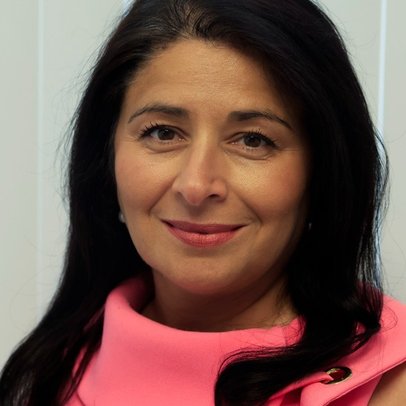
Radhika N.
Fundraising Strategist for a Nonprofit
"It is a privilege to contribute to the mission of an organization with so much history. I know that sounds a bit dorky, but that is the coolest part!"
See full Volunteer profile
To learn more about serving as a couple in North Macedonia, visit the country page.
Application process
From application to departure takes around nine months. Learn about the application process for Volunteer opportunities.
Medical/legal clearance
You will need to be cleared medically and legally in order to serve in North Macedonia. Review information on medical clearance and legal clearance to learn about the process.