An official website of the United States government

Official websites use .gov
A
.gov website belongs to an official government
organization in the United States.

Secure .gov websites use HTTPS
A
lock (
) or https:// means you’ve safely connected to
the .gov website. Share sensitive information only on official,
secure websites.

Search
Connect with the Peace Corps
If you're ready for something bigger, we have a place where you belong.
Apply to the Peace Corps
The application process begins by selecting a service model and finding an open position.
Let us help you find the right position.
If you are flexible in where you serve for the two-year Peace Corps Volunteer program, our experts can match you with a position and country based on your experience and preferences.
Serve where you’re needed mostPrimary Education Teacher
 Education
Job highlights
- Learn Sesotho from dedicated Language and Cross-Cultural Facilitators.
- Gain experience teaching non-native English speakers.
- Experience the mountainous terrain and age-old Basotho traditions in person.
Applications are now closed. View current openings.
Apply by
March 15, 2026Know by
May 1, 2026Depart on
September 26, 2026Duration
2 years, plus 3 months trainingAbout the project
Recent graduates and experienced educators, children in Lesotho eager to improve their knowledge in literacy, numeracy, and life skills with your support.
Lesotho’s Ministry of Education and Training (MoET) aims to raise education standards at all levels. Specifically, MoET seeks to improve access, quality, and relevance of education to all learners. MoET is giving special priority towards literacy, both in Sesotho and English, as well as mathematics, at the basic level. In addition to the high failing rates in math and literacy, the country faces a high HIV prevalence (21.7 percent in 2020), particularly in rural communities. MoET, therefore, is also interested in strengthening the country’s life skills education to encourage healthy habits, including sexual and reproductive health.
As a Primary Education Teacher, you will collaborate with local educators and school staff to strengthen literacy, numeracy, and life skills. Together, you will identify additional learning opportunities that reinforce classroom instruction.
Learn more about what Volunteers do in country by visiting our Lesotho project page.
Required skills
Qualified candidates will have one or more of the following criteria:
Bachelor of Arts/Bachelor of Science degree in any discipline and a strong desire to teach English
Language: There are no pre-requisite language requirements for this position.
Required behavioral competencies
These competencies are essential for all service assignments and are assessed in the application and interview process:
Motivation for and commitment to service
Adaptability and open-mindedness
Problem solving and resourcefulness
Behavioral maturity and professionalism

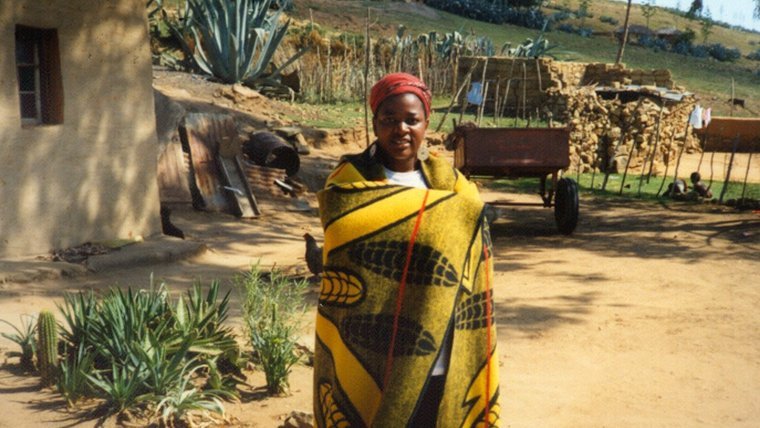
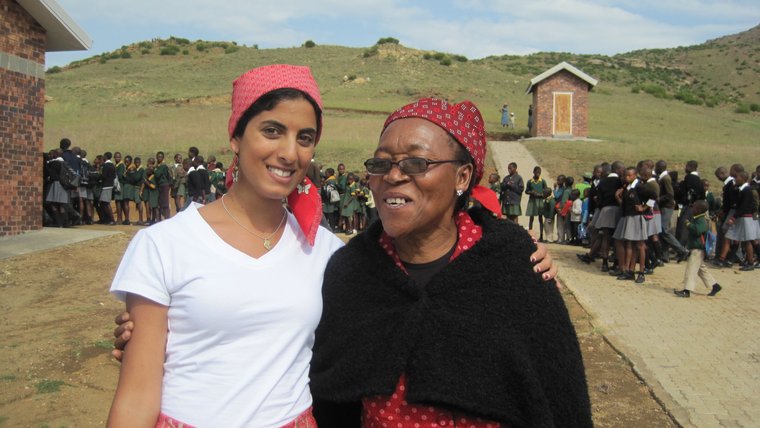
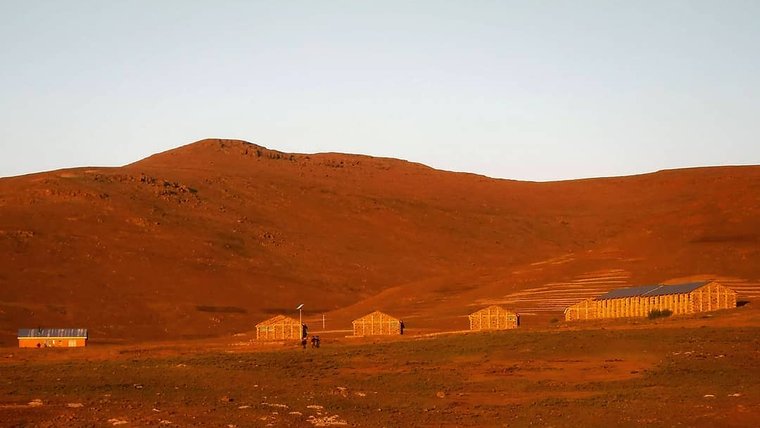
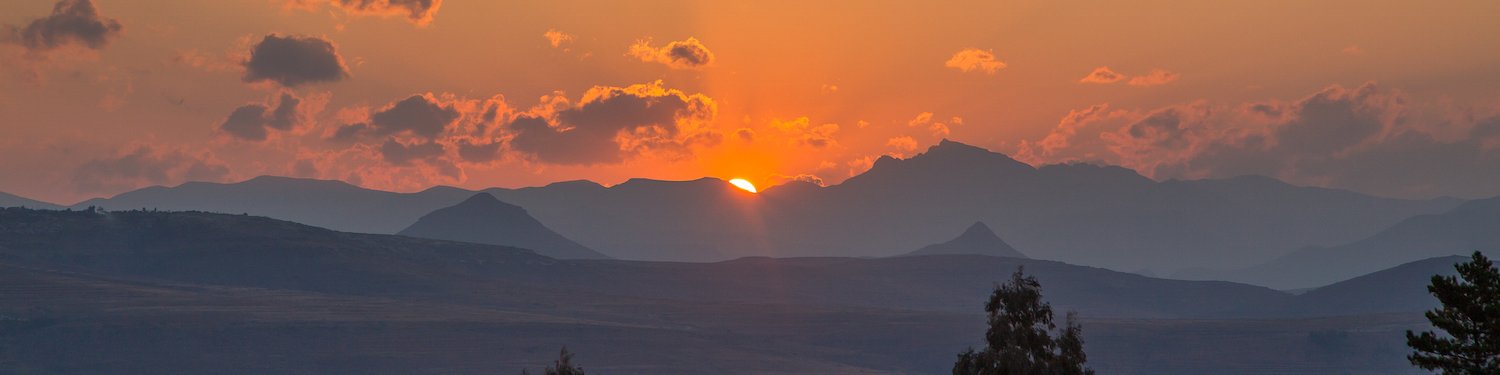
Photos from Lesotho



How you and the community will make an impact together:
Plan and teach lessons on literacy, numeracy, and life skills for grades 1-7 in alignment with the national curriculum.
Exchange ideas and knowledge with teachers through communities of practice.
Design sustainable learning aids using locally available materials.
Support remedial groups and after-school tutoring.
Organize learning opportunities outside the classroom that parents and community members can support.
Implement women empowerment activities that are contextually appropriate.
You may also work on additional projects that meet the community’s interests and priorities, such as community libraries and income-generating activities.
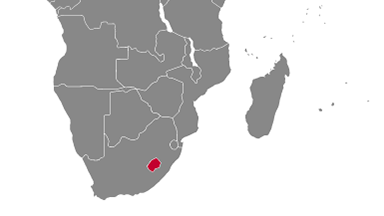
Volunteers are anticipated to be placed across the country in rural and urban sites, but specifically in six districts: Berea, Mafeteng, Botha-Bothe, Mokhotlong, Quthing and Qacha’s Nek. Volunteers can expect a private house with an outdoor pit latrine, a standpipe or a village pump to fetch water, and no electricity. Volunteers will live no more than 2 miles from their assigned schools and local shops. Public buses and taxis are available.
Learn more about the living conditions, including detailed information on culture, communications, housing, and health/crime statistics on our Lesotho country page. You can also delve into stories about local communities by reading our blog or Volunteer stories.
Meet a Volunteer in Lesotho
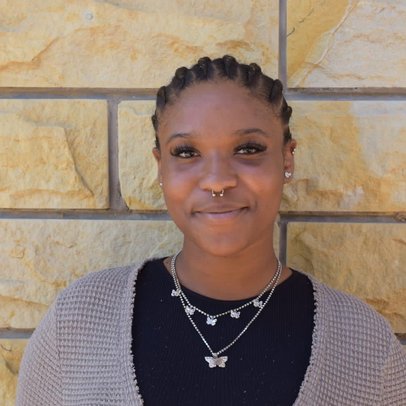
Nadirah R.
Primary Education Volunteer
"Learning a variety of ways to cook food with my host family has been an easy way to connect, share stories, and learn more of the local language."
See full Volunteer profile
As a Primary Education Teacher, you will be trained on the country’s curriculum and classroom management strategies. Peace Corps/Lesotho will teach you Sesotho to help you comfortably live in and connect with the community.
After 8 weeks of training, you will move to a rural community where you will collaborate with primary school staff, implement the project framework, and assess the local needs to develop solutions based on available resources.
Only heterosexual couples can be accepted for this program. Each person must apply separately and qualify for a position in the same sector as their partner. Couples will live together during training but may separate occasionally for field-based activities. Couples who are selected for the same sector will live together but work with different local partners which may be in the same community or in neighboring communities (not more than 30 minutes apart).
To learn more about serving as a couple in Lesotho, visit the country page.
Application process
From application to departure takes around nine months. Learn about the application process for Volunteer opportunities.
Medical/legal clearance
You will need to be cleared medically and legally in order to serve in Lesotho. Review information on medical clearance and legal clearance to learn about the process.