An official website of the United States government

Official websites use .gov
A
.gov website belongs to an official government
organization in the United States.

Secure .gov websites use HTTPS
A
lock (
) or https:// means you’ve safely connected to
the .gov website. Share sensitive information only on official,
secure websites.

Search
Connect with the Peace Corps
If you're ready for something bigger, we have a place where you belong.
Apply to the Peace Corps
The application process begins by selecting a service model and finding an open position.
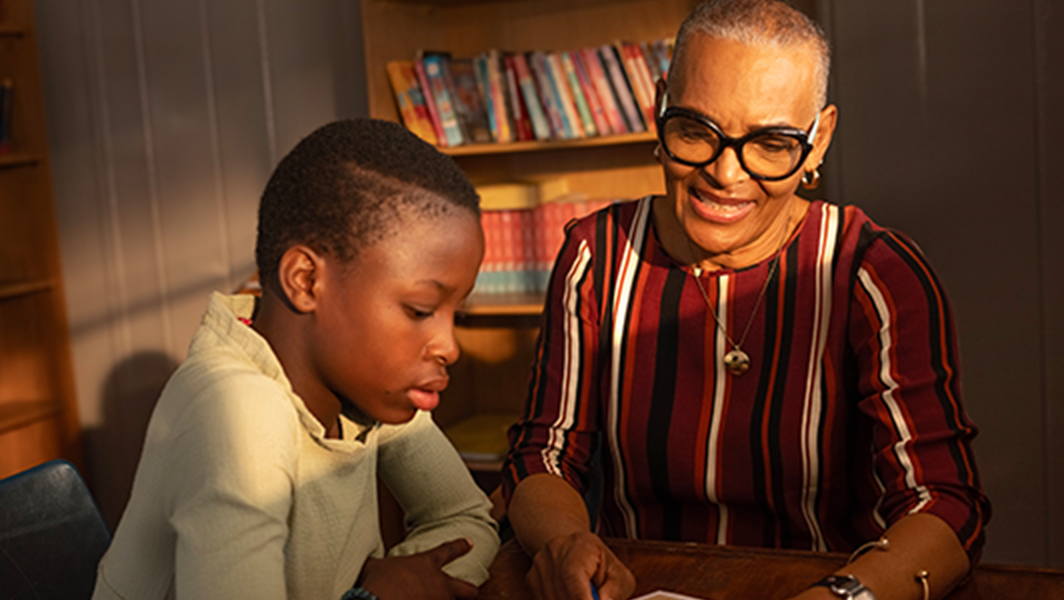
Let us help you find the right position.
If you are flexible in where you serve for the two-year Peace Corps Volunteer program, our experts can match you with a position and country based on your experience and preferences.
Serve where you’re needed mostHealth Extension Volunteer
 Health
Job highlights
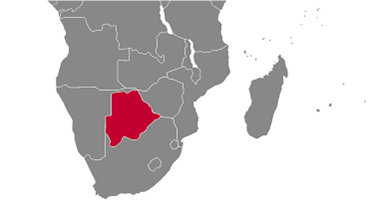
Applications are now closed. View current openings.
Apply by
January 1, 2026Know by
March 1, 2026Depart on
July 10, 2026Duration
2 years, plus 3 months trainingAbout the project
Picture yourself walking home from work with your colleagues against Botswana sunsets, changing colors every minute as the rays hit the dust from kids playing cultural games in the middle of the dusty road. You could be discussing health matters with the community as you line up at the local water point, they call them standpipes; the laughter as one community member shyly asks what she terms a silly question only to find that more than half are eager to hear the answer. You hear, “wena o Motswana” as the community is impressed by your self-introduction in the local language. Peace Corps Botswana prides itself on hosting the caliber of Volunteers who are outgoing, integrated, and willing to be part of the communities to experience the same lives as those they serve.
The Peace Corps partners with the Government of Botswana to address some of the most pressing needs in country. Botswana has made significant achievements in previous years through its strong health care programs; however, it is important to maintain these gains. The Government of Botswana is committed to revitalizing primary health care, changing mindsets and ensuring individual and community-centered approaches to empowering individuals, families, and communities. In Botswana, 60% of the population is considered youth, and keeping them healthy is essential. Peace Corps Botswana’s HIV/AIDS and Youth Health and Well-being Project is designed to support youth in Botswana to effectively lead healthy, HIV-free lives by 2030. Community and Youth Health Educator Volunteers will work with the community healthcare workers, community-based and non-governmental organizations to address three major objectives.
1. Increase the knowledge and skills of youth to improve their health and remain HIV-free.
2. Improve treatment adherence and general health and well-being for youth and adolescents living with HIV/AIDS.
3. Strengthen facility and community primary health care for effective youth-friendly services.
As a Community and Youth Health Educator Volunteer working at the community level, you will work with a health clinic, health post, or with a non-government organizations (NGO)/community-based organization (CBO) on their primary health care program and interventions and promoting treatment adherence and testing among young people living with HIV. You will work with youth in school and out-of- school to promote healthy lifestyles through various interventions, such as education and raising awareness on sexual reproductive health services and life skills. You will work with the Health Education Assistant or Community Health Worker to educate the community and ensure youth friendly services are available. You may work with an NGO/CBO and their project officer, community mobilizer or the community health worker to carry out community education, mobilization, and referrals to a clinic for young people needing those services.
Learn more about what Volunteers do in country by visiting our Botswana project page.
Required skills
Qualified candidates will have one or more of the following criteria:
Qualified candidates will have an expressed interest in working in the health sector and one or more of the following criteria:
• Bachelor of Arts/Bachelor of Science degree in any field
OR
• 5 years' professional work experience
Language: There are no pre-requisite language requirements for this position.
Required behavioral competencies
These competencies are essential for all service assignments and are assessed in the application and interview process:
Motivation for and commitment to service
Adaptability and open-mindedness
Problem solving and resourcefulness
Behavioral maturity and professionalism

Photos from Botswana



How you and the community will make an impact together:
Botswana has beautiful weather with up to 340 days of sunshine each year! You will arrive at the end of winter, which is windy, sunny, and warm to hot. The rainy season follows in October when temperatures start to rise. October to February is the hottest period. Spring follows in April and winter begins in May. Summers are very hot with temperatures reaching to 90 degrees Fahrenheit (32 C) and winters are cold with freezing temperatures at times. Botswana is an arid country characterized by a lack of surface water, low humidity, and dry heat. Rainfall is low and the country experiences periodic and prolonged drought.
During Pre-Service Training, you will live with a local family who will share Botswana culture and traditions, teach you how to manage village life and practice speaking Setswana with you. During your service, you will live in an accommodation identified by your community and organization (NGO/CBO and or Clinic/Health post) and approved by Peace Corps. You will have a modest dwelling on a family compound. Volunteers may have electricity and running water, though electricity and water cuts are frequent. In rural villages, electricity and/or running water may not be available in Volunteer housing. You will be matched to your site based on your knowledge, skills, experience and needs of the community. You must be prepared to accept the living conditions in your community, as you will be living under the same conditions as the people with whom you will be working with.
As a Volunteer in Botswana, you will be assigned to an organization or a health facility and work a full week based on the hours of the workplace. The typical workday is between 7:30 am to 5:00 pm. You will be expected to dress professionally according to your workplace dress code.
Botswana is a predominantly Christian nation where every meeting is highly likely to begin and end with a prayer.
Through recruitment and retention of qualified staff and Volunteers, the Peace Corps seeks to connect across our differences. Peace Corps works diligently to identify and train host country partners on the intercultural competence. Still, when engaging with some individuals, Volunteers may have unique combinations of experiences, values and cultures that differ from most of their host nationals.
Volunteers may be mistaken for other nationalities and/or experience a high degree of curiosity or unwanted attention or even discrimination from host country nationals. Some volunteers may be asked where they are “actually from” or if they are “really” American. Many Volunteers have been able to turn these encounters into learning experiences, sharing American values and deepening local community members’ understanding of Americans.
Learn more about the living conditions, including detailed information on culture, communications, housing, and health/crime statistics on our Botswana country page. You can also delve into stories about local communities by reading our blog or Volunteer stories.
Meet a Volunteer in Botswana
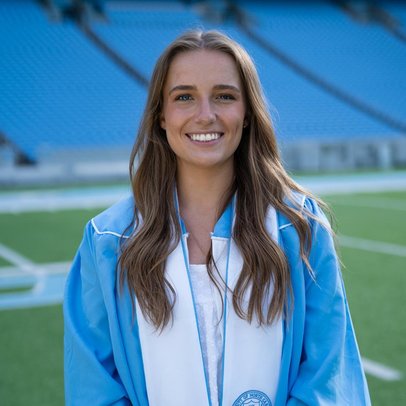
Treva H.
Youth and HIV/AIDS Life Skills Educator
"I have learned how special it is to live in a place where you can rely on your neighbors and feel safe and welcome wherever you go."
See full Volunteer profile
To learn more about serving as a couple in Botswana, visit the country page.
Application process
From application to departure takes around nine months. Learn about the application process for Volunteer opportunities.
Medical/legal clearance
You will need to be cleared medically and legally in order to serve in Botswana. Review information on medical clearance and legal clearance to learn about the process.