An official website of the United States government




“I am because you are”: Morgan’s Message
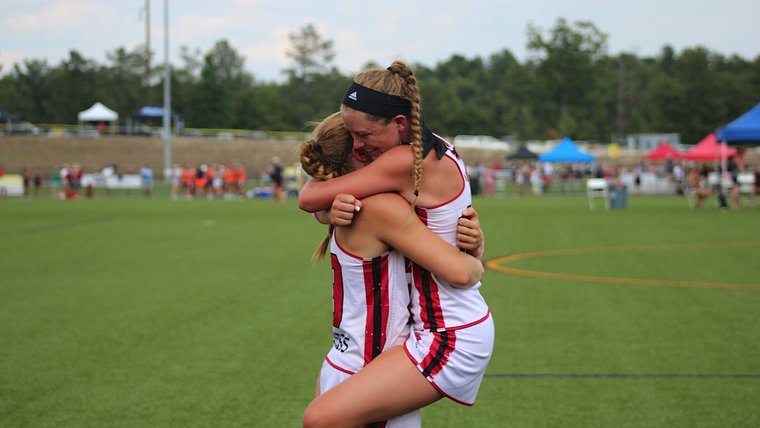
Two weeks before I left for the Peace Corps, I spoke at my best friend's funeral.
Morgan and I grew up playing lacrosse together and, in college, competed against each other in the ACC, an athletic conference for top collegiate athletes. She took her life, and I took my grief with me to Botswana.
After three months of in-country training, I was placed the furthest away from any friend I had made during that time. My site was in the middle of the Kalahari Desert, close to the Namibian border. I was a member of the Child Protection Committee, working with community members to support OVCs—orphans and vulnerable children. On the long days when I didn’t have work, time and the desert stretched endlessly and I was alone with my grief in a two-bedroom house. But my work as a Life Skills Educator for HIV/AIDS prevention began to take hold. Through my work, I could support children in recognizing their own power and, slowly, I started believing it for myself, too.
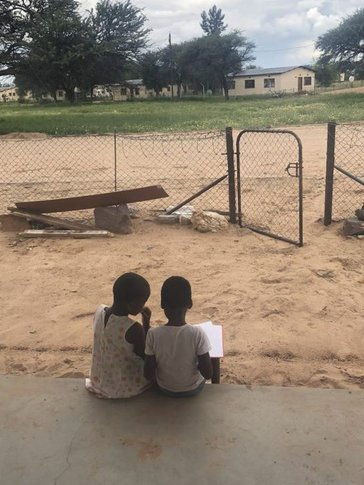
I had learned the concept of “botho,” which means “I am because you are.” In Botswana, this concept underpins everything—etiquette, social norms, and personal behavior. The concept elucidates the intricacies of interdependence. People need each other. I realized this through the unexpected interactions I could never have predicted—from sharing tea with a neighbor to discussing loss with a taxi driver. These conversations gave evidence to our shared humanity. Unexpected moments of sharing with others reveal truths about ourselves, the world around us, and the importance of our place in it.
Over time, my resilience expanded. The energy I felt from Morgan and the spirit of botho inspired me to spread love, empathy, and connection. I had a choice; I could numb myself to my emotions, or I could embrace the beauty, the experiences, and the people in front of me. I thought about Morgan, and all the moments where she still exists.
Morgan loves dancing, so I danced. She loves adventure, so I said yes to everything. Everywhere I went, I felt her with me. Botswana became my home, and I was learning so much from my community.
By the time my 200th day of service arrived, I felt stable. I was healing and settling into a new life.
Just as I found peace, the world shifted. We got the notice to evacuate due to COVID-19. I was on one of the last flights out of Botswana. One moment I was chasing zebra in the Caprivi Strip, and the next I was back in my parents' basement in Arlington, Virginia. Everything I was building, everything I was becoming, was suddenly ripped out from under me, throwing me into another spiral.
Back home, I connected with Morgan’s family and teammates, who were on their own grieving journeys and seeking a place to put this energy. I envisioned a safe space for people like Morgan, like me, who just wanted to be understood, loved, and supported. We founded a nonprofit in Morgans’ honor focused on student-athlete mental health. On her birthday one year after her passing, Morgan's Message was born.
Today, Morgan’s Message has over 6,000 ambassadors at 1,770 high school and collegiate campuses across the world, creating conversations Morgan and I wish we could have had. I prioritize my mental health every day, and I find solace in working with students. Now I'm the Morgan's Message club sponsor at the high school where I work.
I expected the Peace Corps to be transformative, but I could never have imagined any of what happened. Now, I only expect what we can all expect—that our transformations will continue to tell our tales.
Elise's story was selected as a winning entry in "Tales of Transformation," a Peace Corps Week 2025 storytelling contest that showcases the changes individuals and communities can experience when the power of human connection is shared worldwide.