An official website of the United States government

Official websites use .gov
A
.gov website belongs to an official government
organization in the United States.

Secure .gov websites use HTTPS
A
lock (
) or https:// means you’ve safely connected to
the .gov website. Share sensitive information only on official,
secure websites.

Search
Connect with the Peace Corps
If you're ready for something bigger, we have a place where you belong.
Apply to the Peace Corps
The application process begins by selecting a service model and finding an open position.
Let us help you find the right position.
If you are flexible in where you serve for the two-year Peace Corps Volunteer program, our experts can match you with a position and country based on your experience and preferences.
Serve where you’re needed mostEnglish Teacher
 Education
Job highlights
- Learn Sinhala or Tamil from dedicated Language and Cross-Cultural Facilitators.
- Gain international teaching experience and transferable classroom management skills.
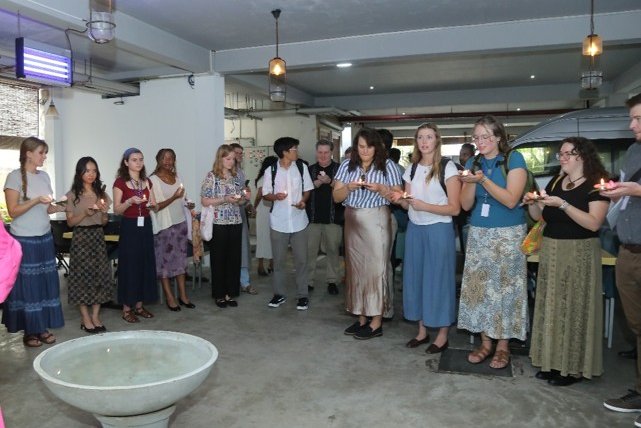
- Experience the beautiful Sri Lankan culture and sights firsthand.
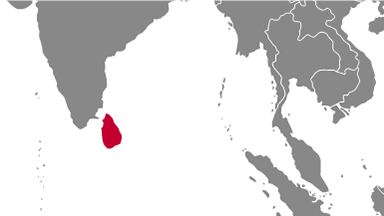
Applications are now closed. View current openings.
Apply by
March 15, 2026Know by
May 1, 2026Depart on
September 11, 2026Duration
2 years, plus 3 months trainingAbout the project
There is a high need for recent graduates and experienced educators alike to support English language learning in Sri Lanka.
The people and government of Sri Lanka view English language skills as an advantageous job skill and a “link” language between the two national languages: Sinhala and Tamil. The Ministry of Education promotes and supports trilingual education for its students. However, many Sri Lankans who speak Sinhala often do not understand Tamil, and vice versa, making English an essential bridge for communication. Opportunities to practice English with native speakers are limited, especially in rural areas where exposure to conversational English is rare. These challenges, combined with the demand for English proficiency in higher education and employment, create a strong need for outside support through Peace Corps.
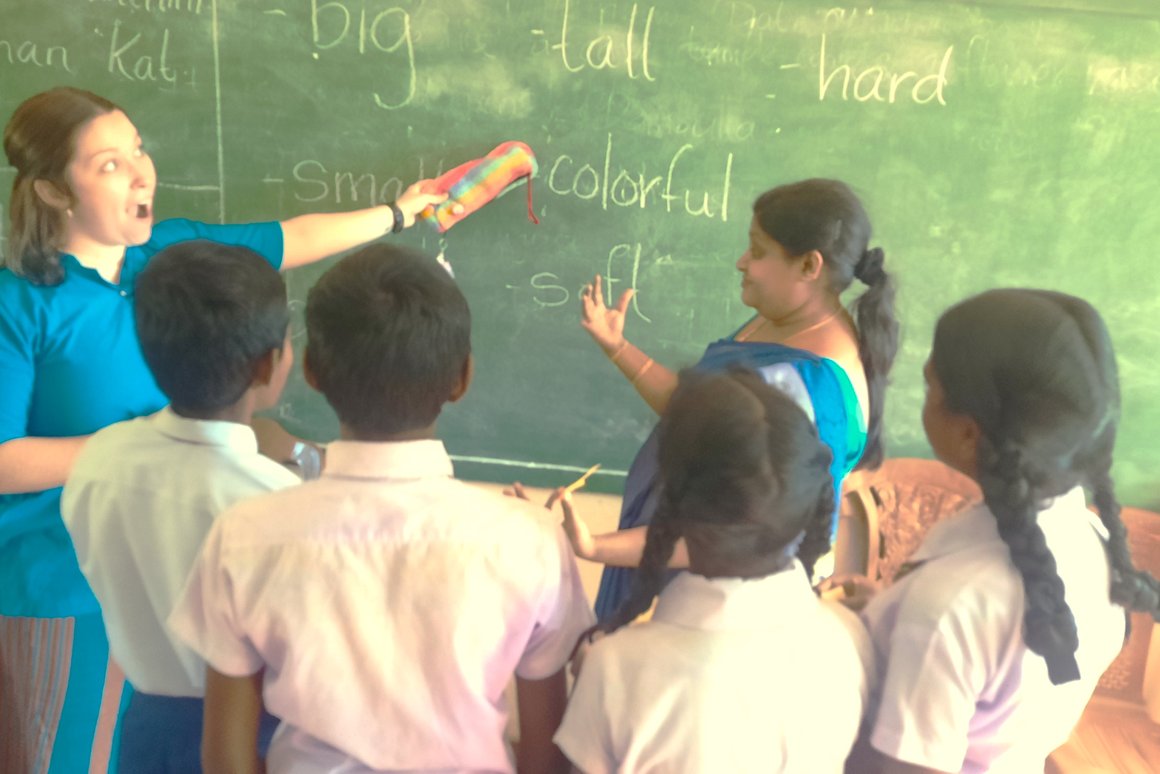
As an English Teacher, you will collaborate with local secondary school teachers to develop the speaking and listening skills of students and staff. Together you will strengthen the teachers’ skills with various teaching methodologies, enrichment materials, and lesson planning. Through daily conversations, you will enhance intercultural understanding between Sri Lankans and Americans.
Learn more about what Volunteers do in country by visiting our Sri Lanka project page.
Required skills
Qualified candidates will have one or more of the following criteria:
Competitive candidates will have a Bachelor of Arts/Bachelor of Science degree in any discipline and a strong desire to teach English
Language: There are no pre-requisite language requirements for this position.
Required behavioral competencies
These competencies are essential for all service assignments and are assessed in the application and interview process:
Motivation for and commitment to service
Adaptability and open-mindedness
Problem solving and resourcefulness
Behavioral maturity and professionalism

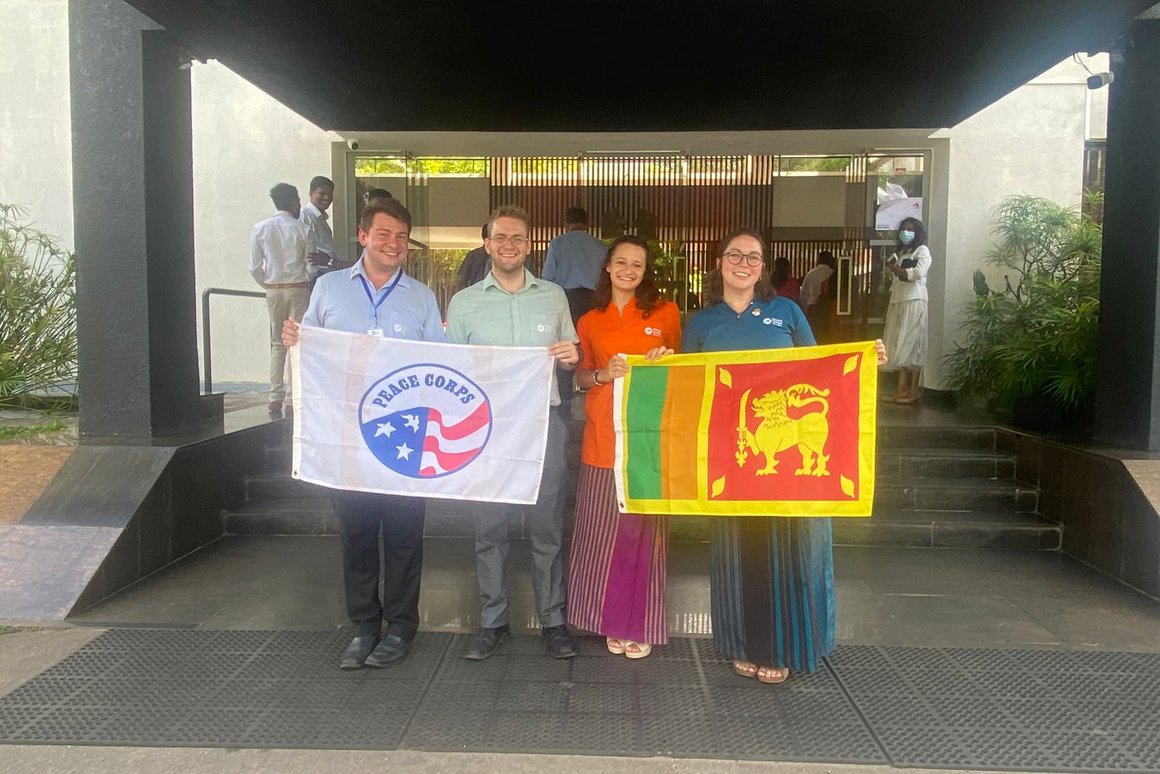
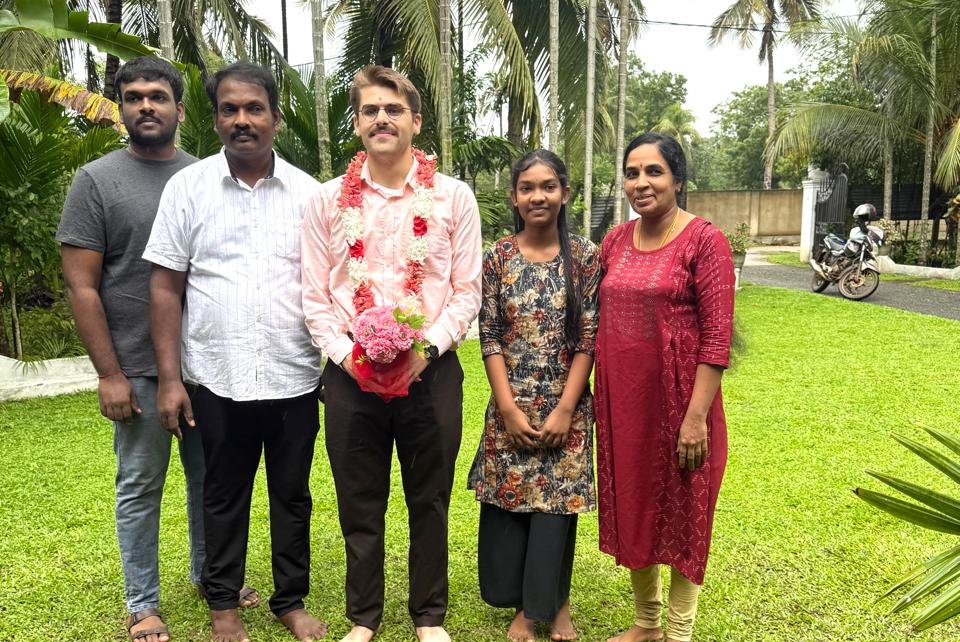
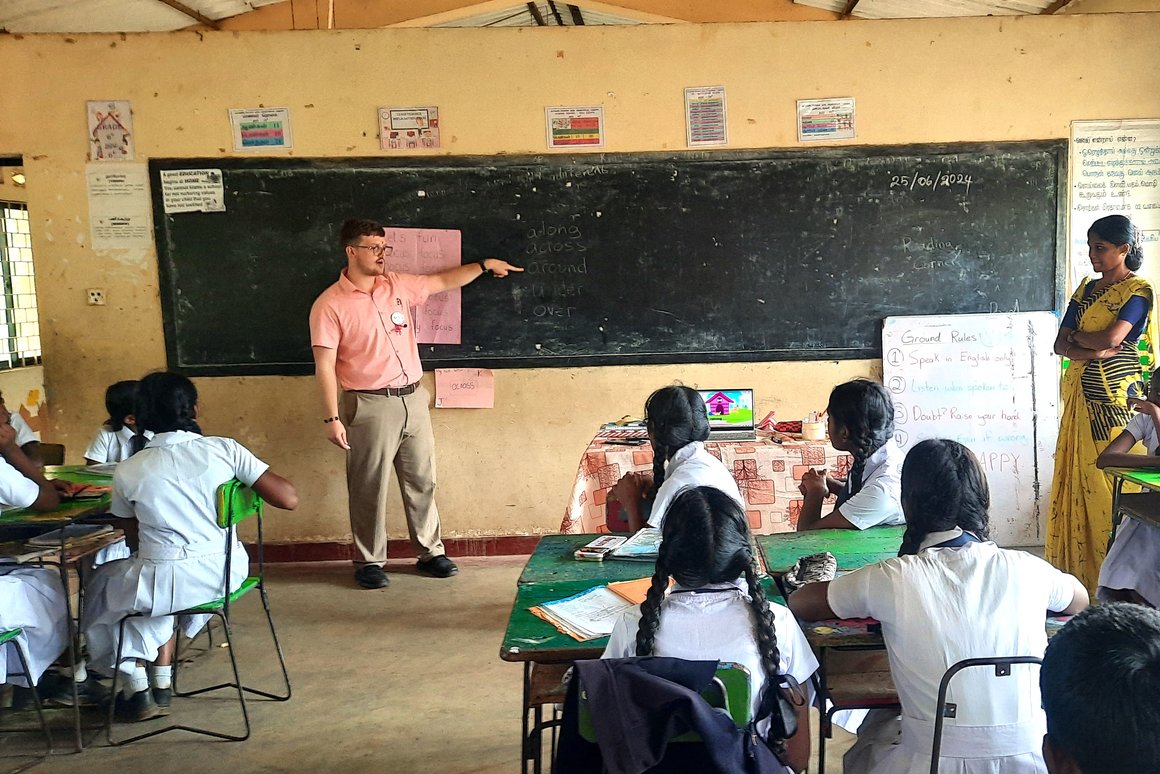
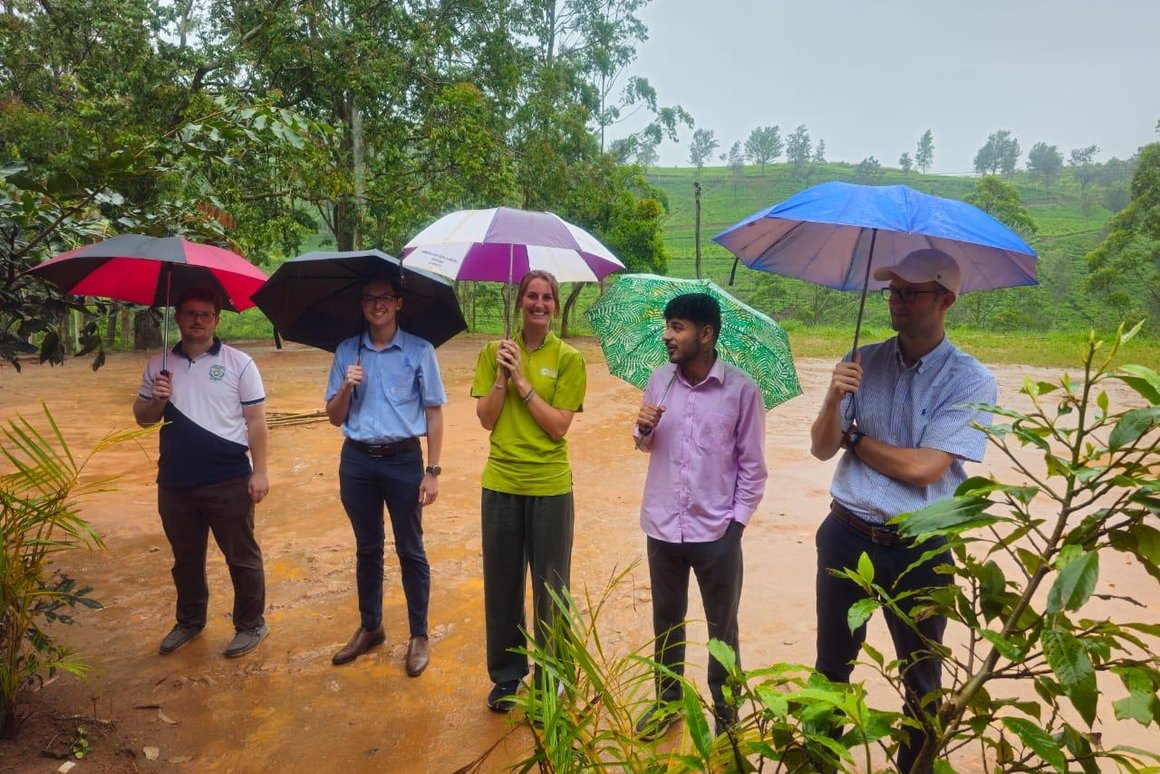
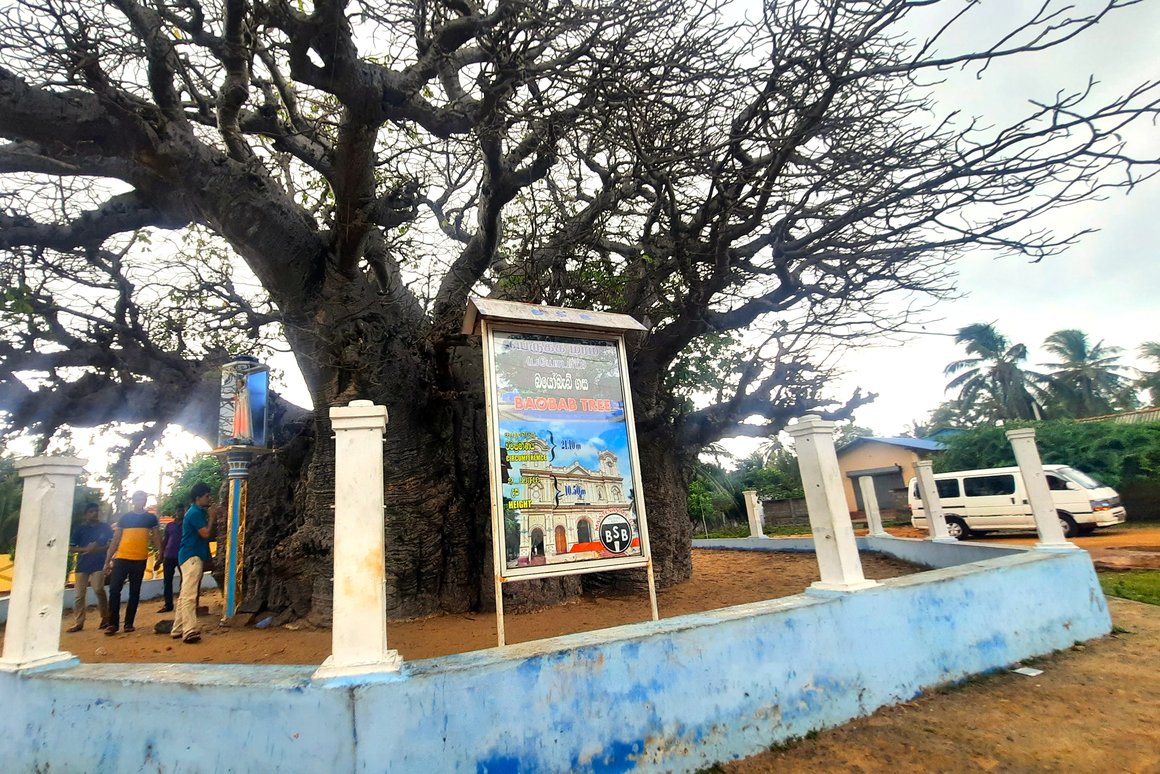
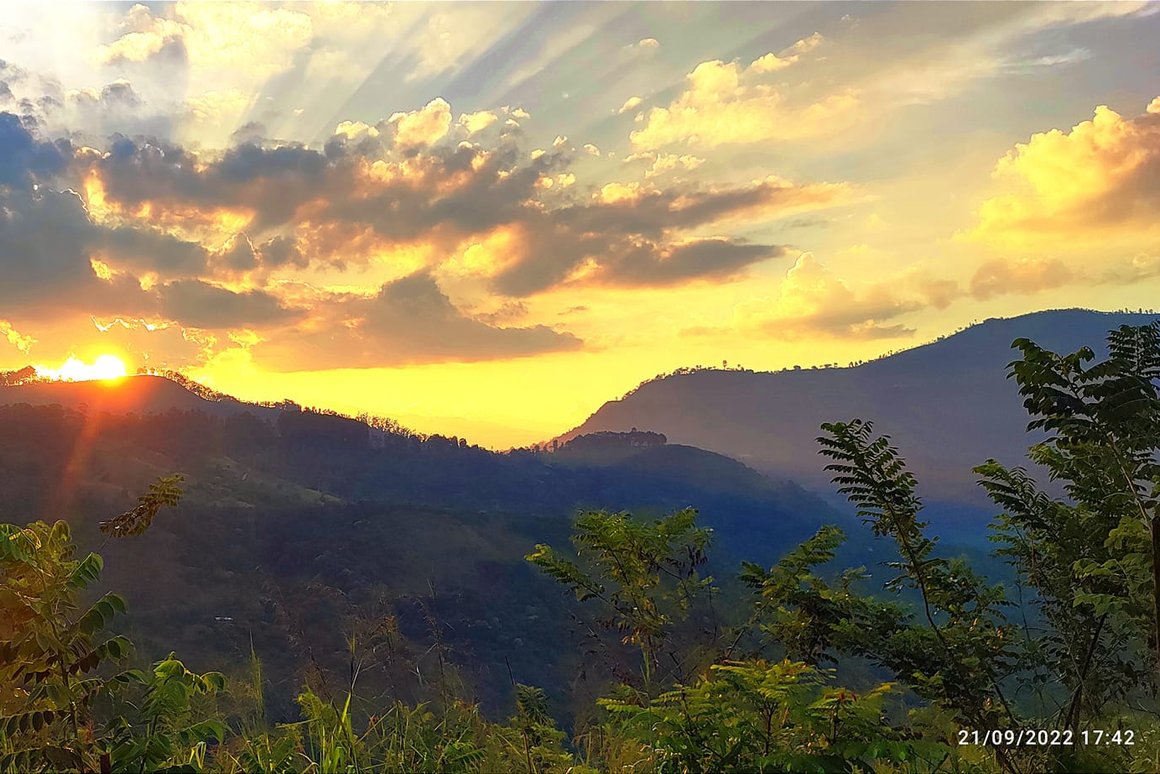
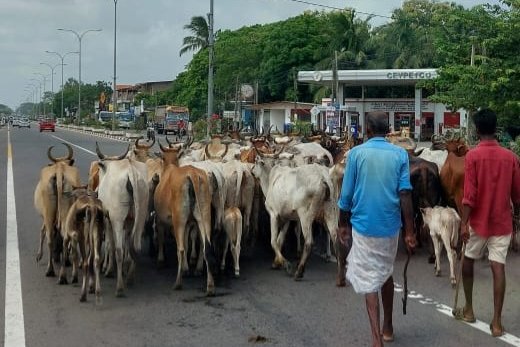
Photos from Sri Lanka

How you and the community will make an impact together:
Prepare interactive teaching aids, games, and classroom materials.
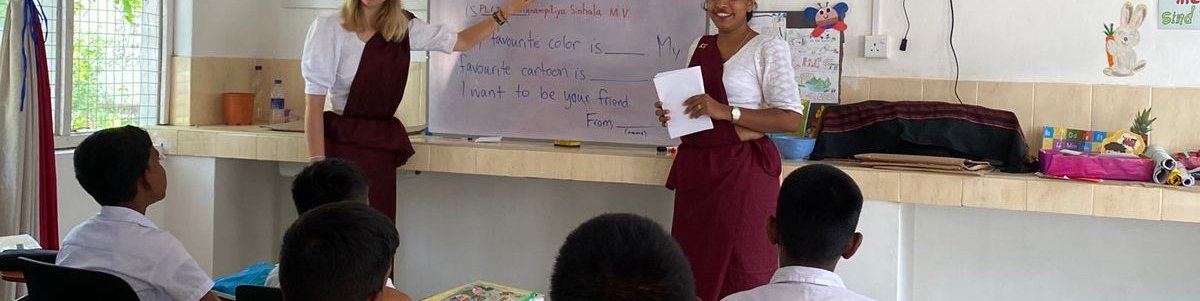
Facilitate effective English classes that meet the national curricula and support various learning styles, sometimes alongside a local teacher and other times independently.
Conduct school-based communities of practice and formal workshops for teachers.
Organize after-school English clubs for students to practice conversational skills in a group setting.
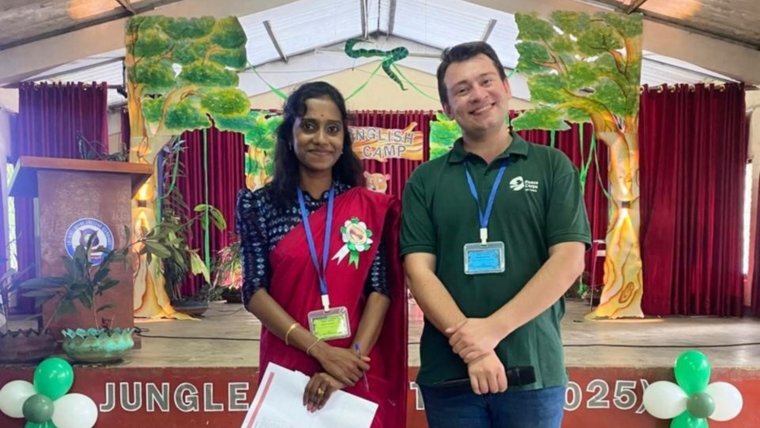
Plan and lead English camps during school holidays to reinforce language learning through interactive activities.
Encourage the involvement of parents and the larger community in student learning.
You may also work on additional projects that meet the community’s interests and priorities, such as after-school activities and special interest clubs like English conversation clubs or cultural exchange events.
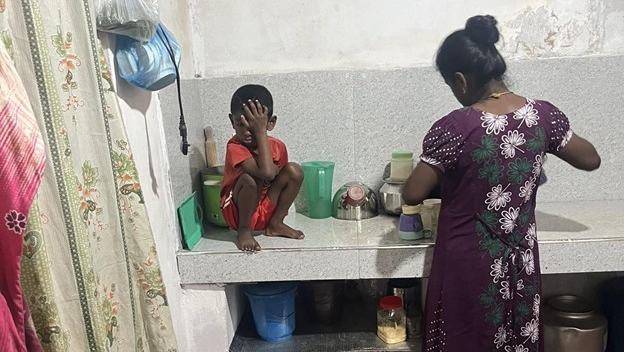
Volunteers will be placed in small, rural communities in the Northern and North Central Provinces, where they will travel to and from their assigned workplace by foot, local bus, or bicycle. These regions are characterized by agricultural livelihoods and limited access to English-speaking environments, which makes the role of Volunteers even more critical. Volunteers will have access to public transportation to Colombo, a medical clinic, and local markets, but day-to-day life will involve working closely with local schools and communities in areas where resources are modest and exposure to English is minimal.
Learn more about the living conditions, including detailed information on culture, communications, housing, and health/crime statistics on our Sri Lanka country page. You can also delve into stories about local communities by reading our blog or Volunteer stories.
Meet a Volunteer in Sri Lanka
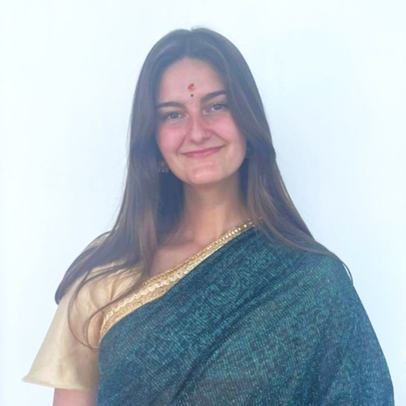
Katie J.
English Teacher
"[My host sisters and I] go on walks together, cook new foods, play volleyball, and do yoga together. If all I did while here was empower those two girls to be strong, independent women, then this would all have been worth it!"
See full Volunteer profile
As an English Teacher, you will be trained on the national curriculum and teaching methodologies. Peace Corps/Sri Lanka will teach you Sinhala or Tamil to help you comfortably live in and connect with the community.
After 11 weeks of training, you will move to a rural community where you will collaborate with secondary school staff to assess the local needs and develop solutions based on available resources.
Only heterosexual couples can be accepted for this program. Each person must apply separately and qualify for a position in the same sector as their partner. Couples will live together during training but may separate occasionally for field-based activities. Couples who are selected for the same sector will live together but work with different local partners which may be in the same community or in neighboring communities (not more than 30 minutes apart). Cohabitating couples are highly encouraged to present themselves as married throughout service due to cultural expectations.
To learn more about serving as a couple in Sri Lanka, visit the country page.
Application process
From application to departure takes around nine months. Learn about the application process for Volunteer opportunities.
Medical/legal clearance
You will need to be cleared medically and legally in order to serve in Sri Lanka. Review information on medical clearance and legal clearance to learn about the process.