An official website of the United States government

Official websites use .gov
A
.gov website belongs to an official government
organization in the United States.

Secure .gov websites use HTTPS
A
lock (
) or https:// means you’ve safely connected to
the .gov website. Share sensitive information only on official,
secure websites.

Search
Connect with the Peace Corps
If you're ready for something bigger, we have a place where you belong.
Apply to the Peace Corps
The application process begins by selecting a service model and finding an open position.
Let us help you find the right position.
If you are flexible in where you serve for the two-year Peace Corps Volunteer program, our experts can match you with a position and country based on your experience and preferences.
Serve where you’re needed mostElementary School Literacy Teacher
 Education
Job highlights
- Build hands‑on literacy teaching experience and data‑driven assessment skills.
- Join a dedicated team that is reimagining how students learn and sparking a love of reading.
- Experience the warmth of Eastern Caribbean communities, where culture runs deep and language is nurtured like the roots of a thriving tree.
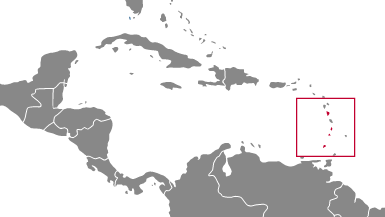
Eastern Caribbean • North America
Includes Dominica, Grenada, St. Lucia, St. Vincent and the Grenadines
In partnership with: Elementary schools
Get answers live — every weekday at .
Apply by
November 15, 2026Know by
January 1, 2027Depart on
June 5, 2027Duration
2 years, plus 3 months trainingAbout the project
Are you passionate about strengthening early English literacy? Consider supporting elementary schools in the Eastern Caribbean.
Across the region, educators report that many students require additional support in early reading and comprehension. New early‑grade assessments introduced in 2024 now give countries clearer insight into student progress, enabling teachers to tailor instructions more effectively. Governments have made literacy a priority by creating common learning standards, expanding teacher training, and supporting school leaders in improving classroom practices. These national efforts are bolstered by regional collaboration and strategic partnerships that provide tools, resources, and shared expertise to accelerate progress. Elementary schools are eager to reimagine literacy instruction, expand access to high‑quality learning materials, and engage families as active partners in their children’s education.
As an Elementary School Literacy Teacher, you will collaborate with teachers to facilitate small-group instruction, using literacy assessments to inform targeted lessons. Together, you will help young learners grow with confidence and help them attain literacy skills needed for future academic and life opportunities.
Learn more about what Volunteers do in country by visiting our Eastern Caribbean project page.
Required skills
Qualified candidates will have one or more of the following criteria:
Associate degree in any field and at least two years of full-time, post-high school work experience (from any combination of roles).
OR
Bachelor's degree in any field.
OR
High school diploma or GED and four years of full-time post-high school work experience (from any combination of roles).
Language: There are no pre-requisite language requirements for this position.
Required behavioral competencies
These competencies are essential for all service assignments and are assessed in the application and interview process:
Motivation for and commitment to service
Adaptability and open-mindedness
Problem solving and resourcefulness
Behavioral maturity and professionalism

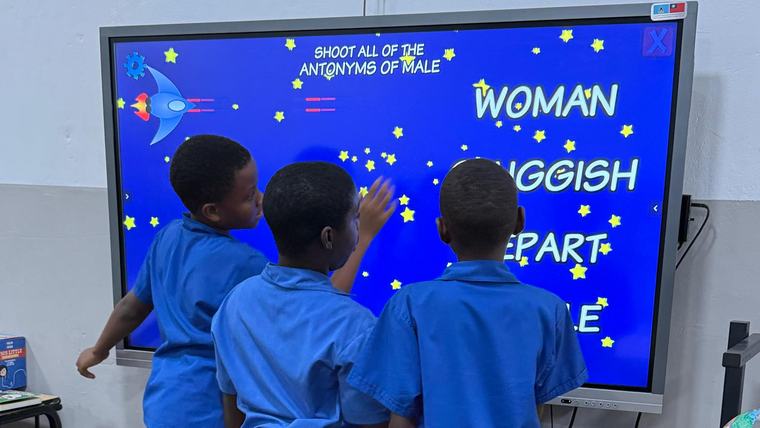
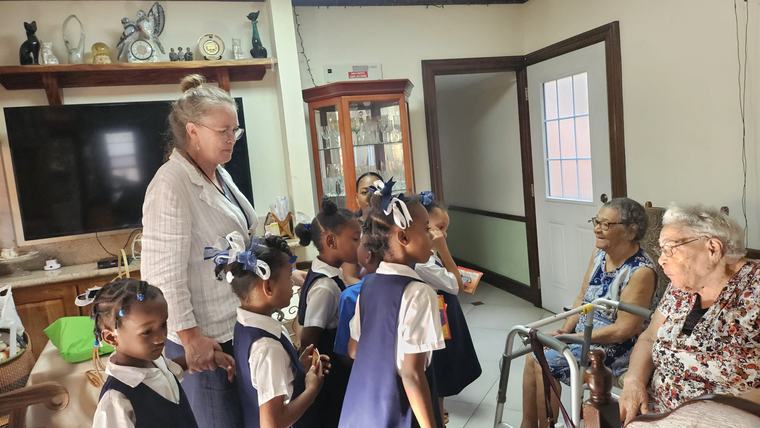
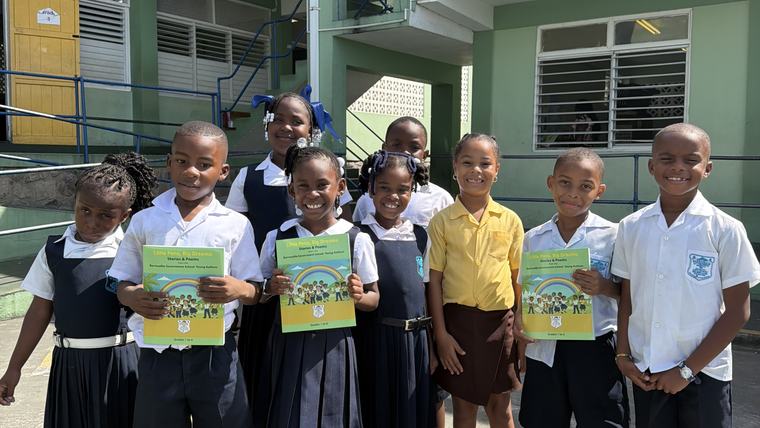
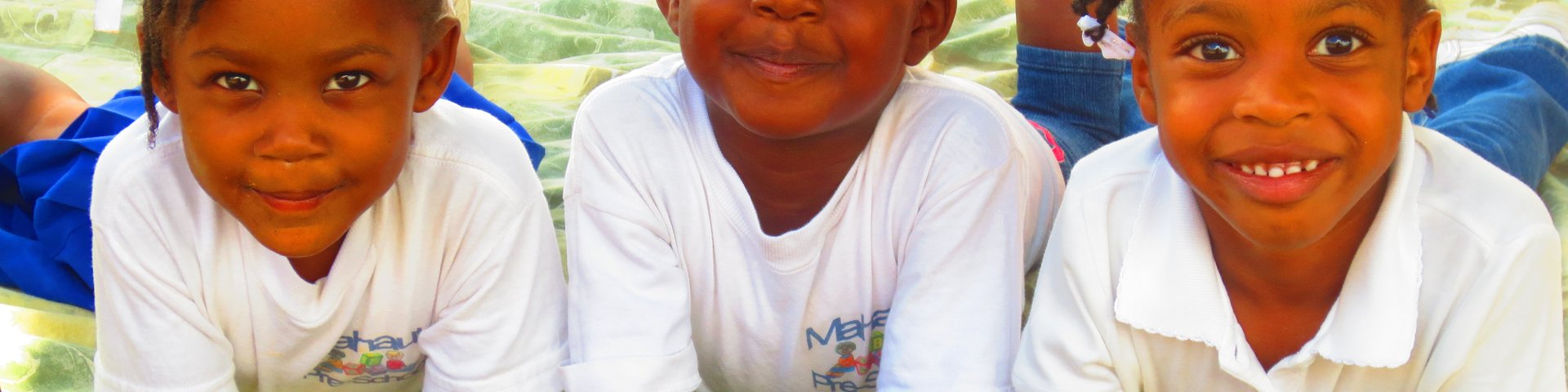
Photos from Eastern Caribbean



How you and the community will make an impact together:
Administer assessments using the country's standardized assessment tools.
Utilize assessment data to identify learning needs.
Plan and develop engaging lesson plans tailored to student skill levels.
Facilitate small‑group learning sessions for 3-5 students using structured lesson plans.
Model effective literacy teaching strategies alongside classroom teachers.
Encourage family engagement through the use of learning materials at home.
Organize school libraries and establish sustainable management practices.
Identify opportunities to strengthen digital literacy.
You may also work on additional projects that meet the community’s interests and priorities, such as coaching sports teams or facilitating environmental clubs.
Volunteers live in private rooms within a host family’s house during the first few days of training, and there’s a possibility that two Volunteers will stay with the same family. After training, Volunteers will move to apartments on a family compound, with the option to share with a fellow Volunteer. Homes often use open-air designs; some lack hot water, washing machines, and air conditioners.
Learn more about the living conditions, including detailed information on culture, communications, housing, and health/crime statistics on our Eastern Caribbean country page. You can also delve into stories about local communities by reading our blog or Volunteer stories.
Meet a Volunteer in Eastern Caribbean

Jian Z.
Literacy Teacher Trainer
"I believe that my service at 70 set an example to my son and my grandchildren. I hope I have planted a seed in their young minds about helping others and exploring the world."
See full Volunteer profile
As an Elementary School Literacy Teacher, you will be trained on the country’s education system, administering assessments, and behavior management. Peace Corps/Eastern Caribbean will teach you Kwéyòl/Creole to help you comfortably live in and connect with the community.
After 10 weeks of training, you will move to a rural community where you will collaborate with teachers in elementary schools. You will work with the community to assess the local needs and develop solutions based on assessment data and through a participatory approach.
Only heterosexual couples can be accepted for this program. Each person must apply separately and qualify for a position in the same sector as their partner. Couples will live together during training but may separate occasionally for field-based activities. Couples who are selected for the same sector will live together but work with different local partners which may be in the same community or in neighboring communities (not more than 30 minutes apart). Cohabitating couples are highly encouraged to present themselves as married throughout service due to cultural expectations.
To learn more about serving as a couple in Eastern Caribbean, visit the country page.
Application process
From application to departure takes around nine months. Learn about the application process for Volunteer opportunities.
Medical/legal clearance
You will need to be cleared medically and legally in order to serve in Eastern Caribbean. Review information on medical clearance and legal clearance to learn about the process.