An official website of the United States government

Official websites use .gov
A
.gov website belongs to an official government
organization in the United States.

Secure .gov websites use HTTPS
A
lock (
) or https:// means you’ve safely connected to
the .gov website. Share sensitive information only on official,
secure websites.

Search
Connect with the Peace Corps
If you're ready for something bigger, we have a place where you belong.
Apply to the Peace Corps
The application process begins by selecting a service model and finding an open position.


Let us help you find the right position.
If you are flexible in where you serve for the two-year Peace Corps Volunteer program, our experts can match you with a position and country based on your experience and preferences.
Serve where you’re needed mostScience, Technology, Engineering, and Mathematics Specialist
 Education
Job highlights
- Support a west African country to rebuild its education system.
- Share your passion for math and science through hands-on instruction.
- Experience the blend of African and American traditions in a country nicknamed “Little America.”
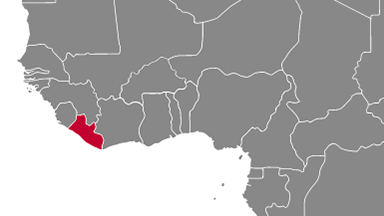
Liberia • Africa
In partnership with: High schools, community colleges, universities
Applications are now closed. View current openings.
Apply by
January 15, 2026Know by
April 1, 2026Depart on
August 8, 2026Duration
9 monthsAbout the project
Educators with experience and a passion for science, technology, engineering, and mathematics are needed in Liberia.
Liberia is still recovering from 14 years of civil crisis, which devastated the county’s social and economic fabrics. School infrastructures were destroyed as schools were closed and teachers and students were displaced. While the government has invested in rural teacher training institutions and established community colleges to reduce overpopulation of the government-run university, there is still much work to be done. Liberia’s Ministry of Education has prioritized finding educators with expertise in math, physics, chemistry and biology to develop the skills of Liberia’s teachers.
As a Science, Technology, Engineering, and Mathematics Specialist, you will collaborate with staff at high schools, community colleges, and universities. Together, you will identify opportunities to strengthen the capacities of teachers and students, especially females who often fall behind due to more responsibilities at home.
Learn more about what Volunteers do in country by visiting our Liberia project page.
Required skills
Qualified candidates will have the following criteria:
Competitive candidates will have one or more of the following criteria:
Bachelor of Arts or Bachelor of Science in Science/STEM field, or Bachelor of Arts or Bachelor of Science in relevant field (e.g., education) with certification or significant relevant experience in STEM
OR
2 or more years of relevant teaching experience
OR
2 or more years of specialized experience in one of the following areas: Math, Chemistry, Physics, Computer Science, Biology, Earth Sciences, or Art
Language: There are no pre-requisite language requirements for this position.
Required behavioral competencies
These competencies are essential for all service assignments and are assessed in the application and interview process:
Motivation for and commitment to service
Adaptability and open-mindedness
Problem solving and resourcefulness
Behavioral maturity and professionalism

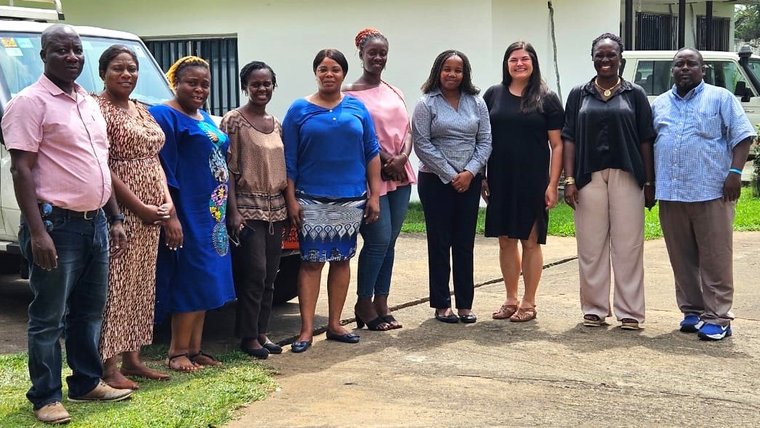
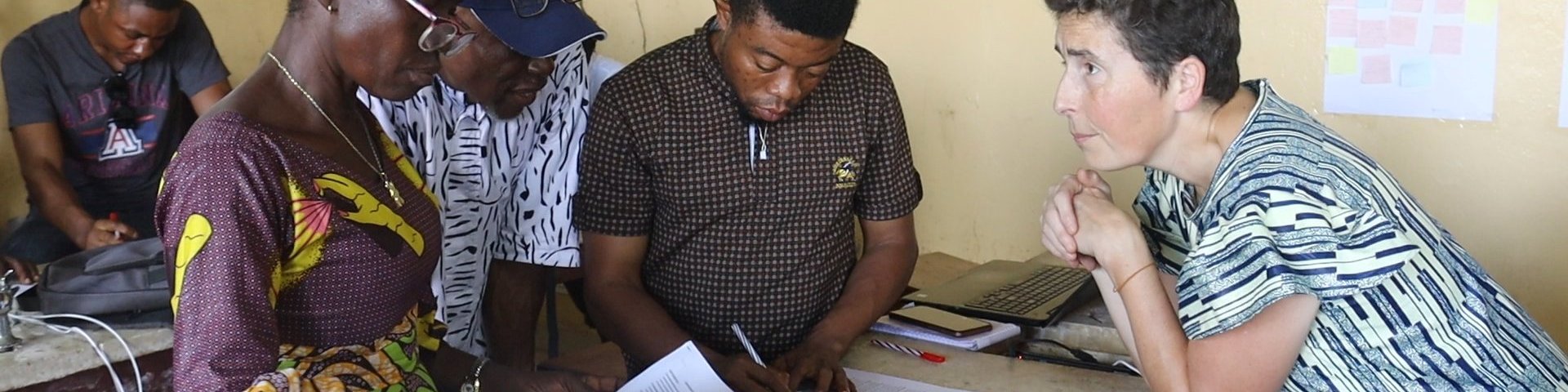
Photos from Liberia



How you and the community will make an impact together:
Plan and facilitate workshops on pedagogies and general classroom strategies.
Teach interactive math and science lessons for various proficiencies and learning styles.
Provide extra tutoring sessions for struggling students.
Assess teaching performance and model teaching techniques.
Develop sustainable guides and visual aids with local supplies.
Strengthen skills in leading experiments to see science concepts in action.
You may also work on additional projects that meet the community’s interests and priorities, such as extracurricular activities and school libraries.
Volunteers will live in a city within walking distance from the school. In some cases, Volunteers will live on the school campus.
Learn more about the living conditions, including detailed information on culture, communications, housing, and health/crime statistics on our Liberia country page. You can also delve into stories about local communities by reading our blog or Volunteer stories.
Meet a Volunteer in Liberia
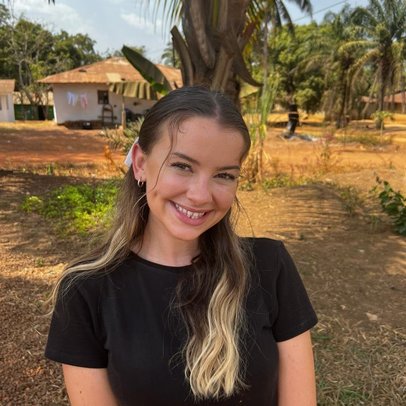
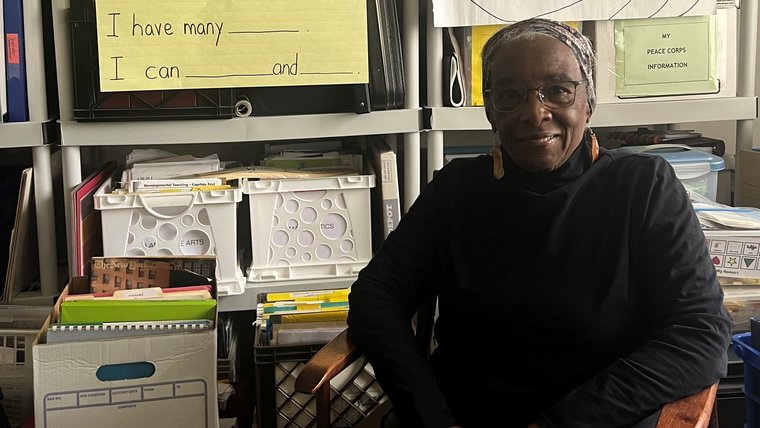
Dee D.
Science Lab Trainer and Co-Teacher
"The way my community has welcomed me, taken me in as one of their own, and continue to teach me what it means to be Liberian has shown that above all, we are all family and are working together on our shared planet."
See full Volunteer profile
After a 2-week orientation on topics such as health and safety, you will move to an urban community where you will collaborate with school staff. You will work to assess the local needs and develop a work plan in line with their established goals.
Peace Corps/Liberia will teach basic Liberian English to help you connect with the community.
No couples are accepted for this position.
Application process
From application to departure takes around nine months. Learn about the application process for Volunteer opportunities.
Medical/legal clearance
You will need to be cleared medically and legally in order to serve in Liberia. Review information on medical clearance and legal clearance to learn about the process.