 An official website of the United States government


Projects in Namibia
Namibia has Volunteers serving in three sectors: Education, Community Health and HIV/AIDS, and Community Economic Development. Two-year Education Volunteers often enjoy the structure of teaching in a school setting; Community Economic Development Volunteers are successful in helping community members start businesses or finding jobs through the town council or nonprofit organizations; and Health Volunteers find fulfillment working on AIDS relief. Staff in Namibia interview all Volunteers upon arrival to best match skills and interest with the organizations who have requested Volunteers.
Community Economic Development
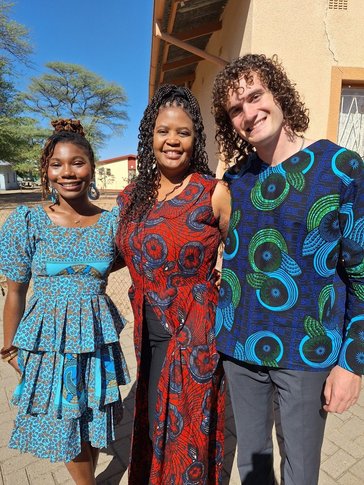
Economic Empowerment Program (EEP) Volunteers collaborate with their local counterparts to help Namibians work towards economic security and inclusive development. The primary goal of their work is to develop the capacity of Namibia’s aspiring entrepreneurs, promote implementation of income-generating activities, and assist with small business development. More specifically, EEP Volunteers and counterparts plan, coordinate, facilitate, and present workshops on entrepreneurship, basic business skills, financial literacy, numeracy skills, digital literacy, basic office administration, and employability skills; provide one-on-one guidance and coaching to entrepreneurs; and plan, organize and organize events such as pitch competitions, market days, expositions, and business networking events for prospective/current entrepreneurs and small business owners. They also work with youth in vocational training institutions, and operators in the informal sector (e.g., small business owners, and street vendors) to help them learn new business skills and practices. Finally, EEP Volunteers work with counterparts in local and regional authorities to provide and facilitate opportunities for entrepreneurs and increase accessibility to services.
Learn how Sean F. supports entrepreneurs and economic vitality in Namibia.
Health
Peace Corps Volunteers work with the Ministry of Health and Social Services and nonprofit organizations to carry out a variety of health and well-being activities. Volunteers either spend their time with youth supporting life skills, with health personnel, or in clinics. Many Volunteers are focused on HIV activities, including supporting adolescents living with HIV to adhere to their treatment schedules and to build strong life skills. Others support clinics and health personnel to increase demand for HIV testing.
Learn about Ruth's experience as a Health Volunteer in Namibia.
Education
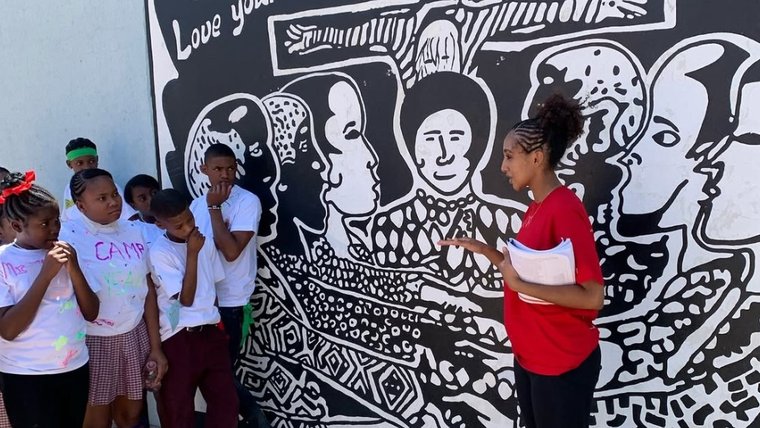
Peace Corps Volunteers teach English or STEM in schools around the country. Peace Corps Namibia has made substantial contributions to the reform of the educational system in teacher training, classroom teaching, and subject matter support to teachers, especially in English, mathematics, and science. In addition, Volunteers provide direct support to parents and other community members to increase both school and community materials and human and financial resources. Activities that have become part of Volunteers’ work include recreational sports, library development, HIV/AIDS activities, environmental conservation projects, adult literacy, and community development.