An official website of the United States government



What professional support do Peace Corps Volunteers receive in the field?
One of the most reassuring parts of Peace Corps service is knowing you’re never doing it alone. From day one, Volunteers receive training, mentorship, and ongoing support to help them succeed personally and professionally.
Here’s a look at the various ways you’ll receive guidance throughout your service.
Pre-service training
Your two-year Peace Corps journey begins with intensive training, which typically lasts two to three months. You’ll build the necessary foundation for a successful service through sessions that cover:
- Local language(s)
- Culture and community dynamics
- Job-specific technical training
- Community assessments
- Health, safety, and security
Volunteers typically live with host families near the training site—an invaluable opportunity to reinforce language and cultural lessons. You’ll receive a variety of training and resource manuals that you will take to your site to support you throughout your service.
Learn more about orientation and training.
In-service training
To continue building upon your skills, in-country Peace Corps staff organize a multi-day training conference typically three to six months after you arrive at your permanent site. Topics can include project management, problem-solving methods, intercultural communication strategies, and advanced technical training.
In some cases, you may be expected to attend with one of your counterparts from site. Participating as a pair not only gives you a partner to help instill the lessons when you both are back in your community but also strengthens long‑term sustainability by ensuring shared ownership.
Local counterpart and supervisor
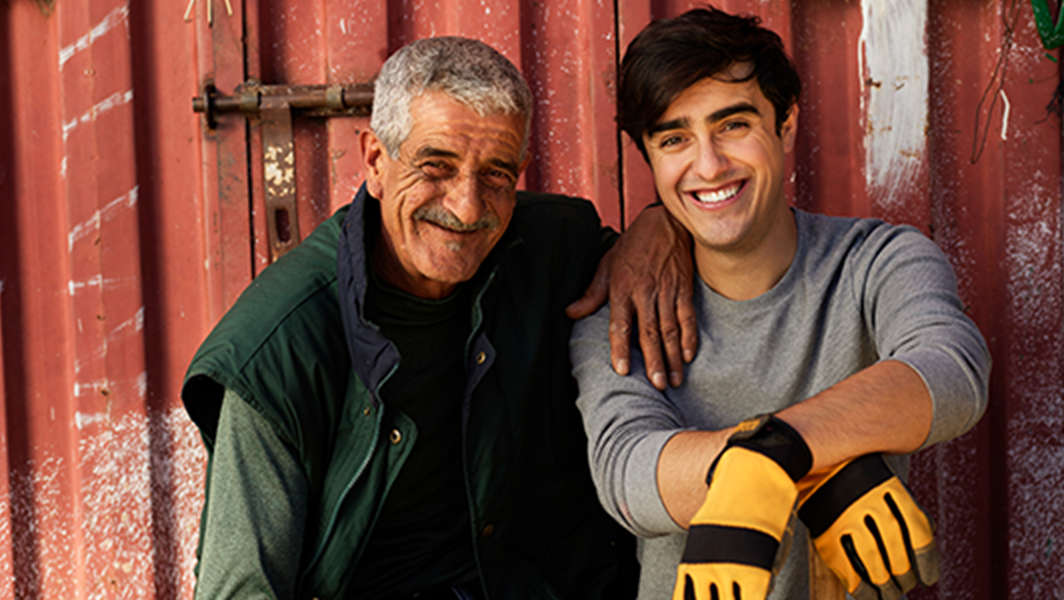
All Volunteers are matched with a local counterpart at their assigned partner organization. Their role is to be a coworker and professional partner for you, but they often become a close friend, too. Learn more about the deep connections Volunteers make with their counterparts.
Volunteers can expect to have a local supervisor, and in some cases, your counterpart may also be your supervisor. The supervisor could be a school principal, a lead clinician or a manager of an NGO, for example. Your supervisor can also help you to make professional connections in the community.
"My counterparts were extremely helpful in conveying what my role as a Peace Corps Volunteer entailed and my desire to work hand-in-hand with community members. With time, my proficiency in Chichewa grew thanks to the tutoring provided by my counterparts," said Anissa F., a Health Volunteer in Malawi.
Colleagues and community members
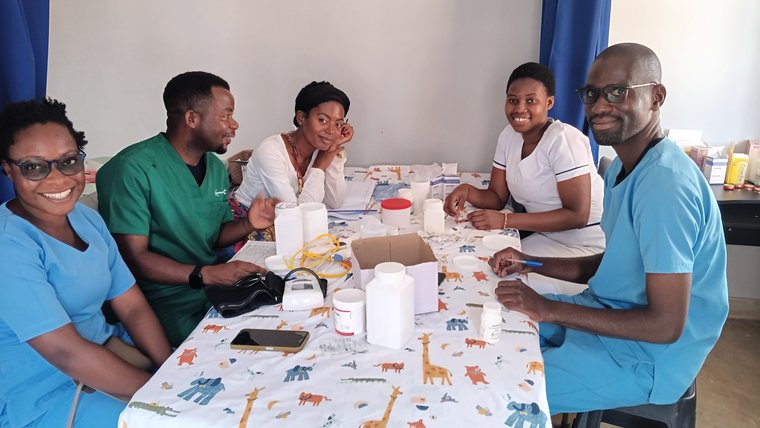
Just like being the new person at any workplace, you will have many colleagues who can help you find your footing in your new role. While your immediate coworkers may be your most natural project partners, over time you’ll build relationships across the community and gain a clearer sense of people’s skills and interests. As that understanding grows, you will likely find opportunities to collaborate with and learn from individuals outside your partner organization.
Bhuwan S., an Agriculture Volunteer in Nepal, shared an example of how community members can provide informal training: "Farmers regularly adjust to changing weather patterns, rotating their crops based on weather and resource constraints with creativity and determination. I’ve learned local agricultural best practices, such as mixing crops with mustards or wheat paired with peas, as well as reducing vines crops like pumpkins due to the overuse of urea in hybrid corn cultivation. This valuable information is passed down through generations for sustainable development.”
Fellow Volunteers
Your fellow Volunteers are one of the strongest informal support systems. Everyone arrives with different backgrounds, strengths, and experiences, and Volunteers often rely on each other to sound out project ideas, troubleshoot work challenges, and navigate life in a new country.
Additionally, if a Volunteer from an earlier cohort extended their service to act as a Volunteer leader, one of their primary tasks will be to support and advise newer Volunteers. Volunteer leaders may also visit you at site to see how your assignment is going.
“I extended my service as a Peace Corps Volunteer leader living and working out of Dar es Salaam. In this role, I wore a great many hats and conducted a variety of activities, such as resource creation and compilation, planning and implementing Volunteer trainings, providing Volunteer support including site visits, managing the Peace Corps Tanzania social media accounts, and assisting all of the offices/teams within Peace Corps Tanzania,” shared Chris B.
An assigned Peace Corps staff member
Finally, each Volunteer is assigned a Peace Corps supervisor—an in-country staff member who will provide technical guidance, share best practices, and review your work reports. These staff members, often program managers, will occasionally visit your site to see how you are doing and connect with counterparts. Their approach is intentionally hands-off, encouraging you to use your training, judgment, and local support network to solve problems and navigate daily challenges as independently as possible. They are, however, always a phone call away when you truly need guidance.
Serving in the Peace Corps gives you not only support and training but also space and independence to be successful. You will build new technical and language skills as well as improve your resilience and flexibility. These qualities set up Returned Peace Corps Volunteers (RPCVs) for success when they finish service.

Rebecca's story
Rebecca developed programs for youth, taught dance, and gained skills in fundraising and project management in the Peace Corps. Hear how she continues to use these skills today.
“My service in Thailand and Dominica prepared me for my current position in arts administration through the extensive training we received and hands-on leadership experience. During pre-service training in Thailand we were trained in grant-writing, project management, budgeting, and effective monitoring and evaluation—all skills that I now use daily,” said Rebecca W., who is now employed as the development manager (fundraiser) for the South Carolina Philharmonic.