An official website of the United States government




Preventing loneliness during Volunteer service
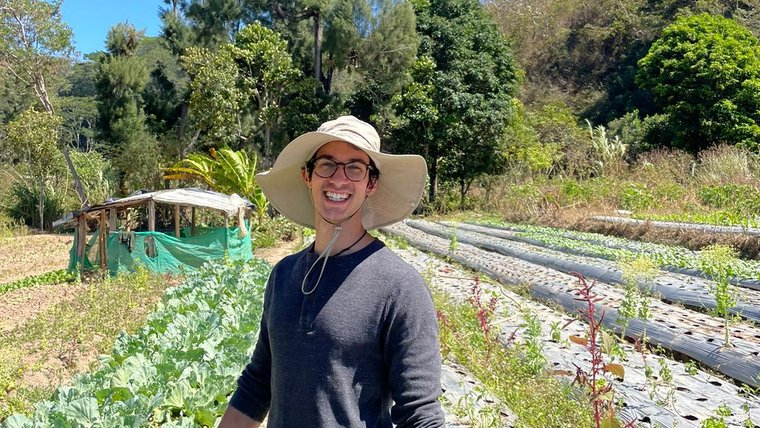
There’s no guarantee that as a Volunteer you will be placed within walking distance from another Volunteer. The Peace Corps staff overseas do their best to cluster Volunteers, but some partner organizations are more remote than others. How do Volunteers navigate feelings of isolation and loneliness to remain dedicated to their service commitment?
We discuss ways Volunteers stay connected to the U.S., develop new relationships, and make the most of their independent time.
Keeping in touch with loved ones
Thankfully, today’s technology makes it easier to stay in touch with family and friends back in the States. Volunteers who bring an unlocked smartphone can communicate via free, mobile messaging apps once they purchase a SIM card in the country of service. Video conference calls can also enable comforting face-to-face time. However, the use of both messaging apps and video call software is often dependent on the cost of data or phone plans as well as the internet’s availability. Outside factors, like the weather or load shedding (scheduled power outages to protect the national grid), can also impact connectivity.
Volunteers who wish to document and share their service experience online can write a blog post for the Peace Corps website, submit a Volunteer Profile, or launch their own blog or vlog. If you are interested in giving a glimpse at life abroad in this way, be sure to clearly state that the published content is a representation of your own personal views, not the agency’s. Check out our storytelling tips and these blog tips from a previous Volunteer.
Finally, don’t forget about traditional mail! Hand-penned stationery and postcards double as keepsakes.
Making new connections
Getting life updates from home via social media can sometimes make Volunteers homesick. This makes it even more important to create new connections. In fact, one of the biggest benefits of service is how it introduces individuals whose paths may otherwise not cross. Some Volunteers even find their life partner and love during service!
The shared experience of learning a new language and living in a different culture bond Volunteers in a unique way that often results in lifelong friendships. Volunteers accrue two vacation days per month, and instead of taking a costly flight home, many choose to experience a different region of their host country or a neighboring country with their fellow Volunteers, further strengthening their ties to one another. Volunteers also often coordinate their town visits to catch up with one another before purchasing groceries and supplies.
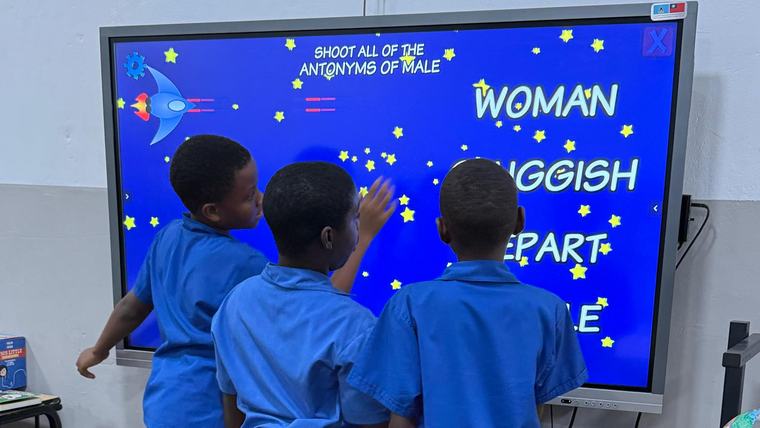
Given the time spent at site, it’s no surprise that Volunteers make strong connections with their host families, counterparts, and neighbors. Work-related assignments can feel like the most natural way to meet new people. As Volunteers become more comfortable in their new home, they often start secondary projects that address community needs or interests. Examples include exercise clubs, planning a holiday musical performance, or painting a world map mural. These projects can help you meet others who share a similar interest.
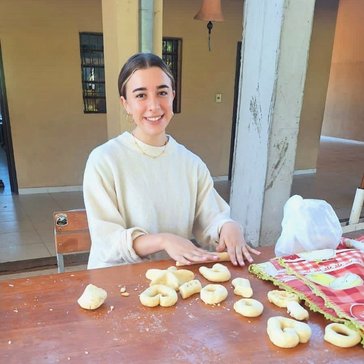
Simply doing the routine activities of life and pursuing your own—or new—interests are also great ways to meet new people.
“Some strategies I have used to integrate into my community are starting conversations while doing routine activities like waiting in line, buying groceries, and going on walks. I also participate in community events with friends who could introduce me to more people. I also connect with members of my community through sharing my interests in cooking, art, language learning, and physical activity. I meet many people through my English classes. I also love to run and walk, so I meet many people by walking around my neighborhood,” says Fiona S., a Volunteer in Paraguay.
Enjoying the quiet time
Finding ways to care for yourself and your mental health during service is important. Taking time for personal projects can provide a sense of meaning and accomplishment, and keep feelings of loneliness at bay. Volunteers make the most of down time by chipping away at personal goals like tackling a towering pile of must-read books, studying for the graduate record examination (GRE) and applying to graduate schools, learning a new instrument, or improving their cooking skills. Some Volunteers who enjoy journaling have managed to turn their Peace Corps journals into published books upon completing service. Others catalogued their time in visual ways, like painting and photography, which, beyond capturing memories and moments, can be the beginning of portfolios for Master of Fine Arts graduate school applications.
Peace Corps service also offers the rare opportunity to slow down and enjoy the smaller moments, such as a hazy African sunset or an afternoon siesta. The limitless time to self-reflect is an aspect that many Returned Peace Corps Volunteers (RPCVs) miss once they return to the go-go-go way of life in America. So, while Volunteers pay special attention to their relationships with others, they also dedicate time to arguably the most important relationship–the one with themselves.
“The pace of life here is a lot slower and things happen when they happen. I have learned to adapt and not worry as much about how I used to define productivity. I am now able to enjoy the process more than the product,” says Dani M., a Volunteer in Costa Rica.