 An official website of the United States government




Featured Volunteer Profile
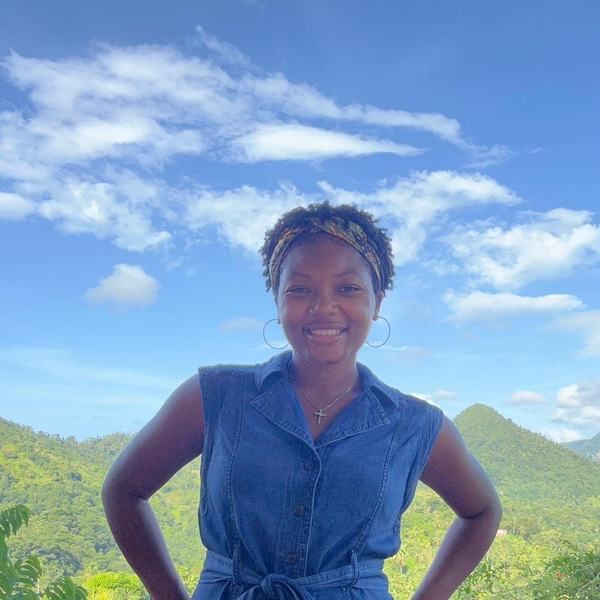
Tajah M.
“My strongest relationship is with my host family. We attend church together and regularly share meals. I’ve introduced them to dishes from my childhood, like cornbread and chili, and they’ve taught me how to prepare local foods like saltfish and bakes.”
1. What inspired you to apply for this Peace Corps position?
The culture, history, and climate of the Eastern Caribbean inspired me to apply for this position. My family is from Trinidad, so I saw this as an opportunity to deepen my connection to the region while living there fulltime. I’ve always been passionate about supporting children’s development—through high school and college, I volunteered with Big Brothers Big Sisters, working with elementary students on literacy and social skills. This role allowed me to continue that work while also growing personally and professionally, and I’m very grateful I chose to serve here.
2. Tell us about a moment that sticks with you from the first week at your site.
At my first community gathering, I felt socially awkward. Even though I attended with my host family, I struggled to engage in a setting centered around dancing, music, and socializing. Because I was quiet and didn’t participate in certain activities, I was labeled a “church girl.” Over time, I leaned into building relationships in ways that felt more authentic to me—through conversation, consistency, and showing up. Looking back, I find the experience humorous, and I’ve since built strong, positive relationships within the community.
3. What projects are you working on?
As a Literacy Resource Volunteer, I support students who need additional help based on assessment results. Each year, I work one-on-one with about three students to strengthen their reading, spelling, and writing skills. I also collaborate with teachers to co-teach lessons and create learning materials such as posters and charts across subjects. Beyond the classroom, I’ve partnered with community members to develop a summer writing camp focused on literacy and environmental change, as well as a youth empowerment and career development series to build leadership and career readiness skills.
4. What strategies have you used to integrate into your community?
I integrated by being present and intentional. I attended church and community events, spent time with colleagues during lunch, and took regular walks through the community. During those walks, I tried to greet people, learn names, and build relationships over time. I’ve also embraced local traditions—like learning to play dominoes—which helped me connect more naturally with others.
5. What’s a typical day like for you?
I start my day around 6 a.m., prepare breakfast, and leave for school around 8:30 a.m. It’s about a 20-minute walk to school. From 9 a.m. to 12 p.m., I work with students in small groups on literacy and sometimes math. In the afternoon, I support teachers or prepare learning materials. School ends at 3:30 p.m., after which I either return home, cook dinner, and watch Netflix or spend time with my host family.
6. What is a highlight of your time in service so far?
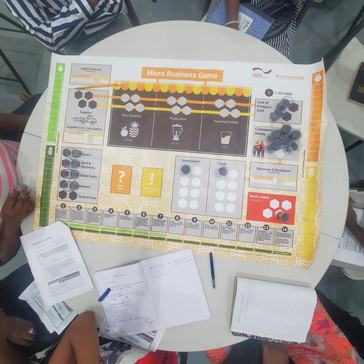
A key highlight of my service was writing a grant that funded a two-week summer writing camp to improve students’ writing skills and environmental awareness. It assisted 25 primary students and provided the opportunity for the kids to go on two field trips. I also implemented a youth empowerment and career development series that strengthened leadership and career readiness among 27 youths. Topics such as entrepreneurship, soft skills in the workplace, and resume building and interviews were covered. Both initiatives created meaningful growth opportunities and had a lasting impact on participants.
7. What have you enjoyed most about the community where you are serving?
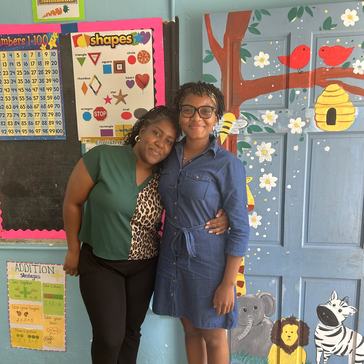
What I value most are the people and the environment. I’ve built meaningful relationships with my host family and colleagues, who have been incredibly supportive throughout my service. My counterpart has been a kind friend and especially inspiring in creating a positive school environment. Additionally, the mountainous landscape and farmland make the community incredibly beautiful.
8. What are some of the most important things you’ve learned from your community?
I’ve learned to be more resourceful and mindful of minimizing waste, especially with food and materials. Additionally, many people in my community are farmers and will often share their produce. As a result, I’ve also embraced a strong culture of sharing, which has made me more generous. Overall, living in Dominica has helped me become more open, patient, and community oriented.
9. How do you spend time when not working on a project?
I spend my free time visiting my host family, going to the beach or river, dining in the capital, and hosting small gatherings with games and simple meals. I also enjoy reading and watching the sunset. My community also hosts cricket tournaments sometimes, and I enjoy attending those. Additionally, I live in the countryside, and on weekends, buses run slowly and stop service around 4:00 pm, so I usually don’t stay out late, unless I hire a taxi.
10. Tell us about the strongest relationship you’ve developed while in country.
My strongest relationship is with my host family. We attend church together and regularly share meals. I’ve introduced them to dishes from my childhood, like cornbread and chili, and they’ve taught me how to prepare local foods like saltfish and bakes. They also met my family when they visited, which made the connection even more meaningful. They’ve provided me with support, guidance, and a true sense of belonging.
11. What are you looking forward to in your remaining time as a Volunteer?
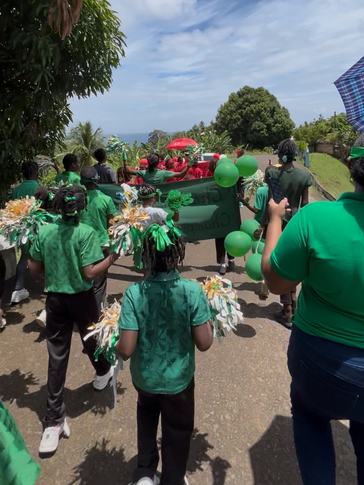
I’m looking forward to spending more time with my colleagues, students, and friends, as well as participating in upcoming events like sports day, graduation, and local festivals such as Jazz’n’ Creole.
12. Tell us your favorite phrase in the local language.
The Caribbean region has a strong religious foundation, and I was raised in a Methodist church.
Therefore, it was very easy for me to call on the Lord, saying “Lord Jesus” in response to surprising or serious situations. Thus, one of my favorite phrases is Dominica is “Papa Met,” meaning “Father God,” often used in the same context, so it was a blessing to see that cultural similarity.
13. What will you do differently when you return to the U.S.?
Living in Dominica has helped me become more open and patient. The strong sense of community and generosity has influenced how I interact with others. When I return to the United States, I plan on taking my time and implementing a healthy work-life balance. Before joining the Peace Corps, I felt that I was constantly prioritizing my career over my personal life, but I’ve learned to enjoy a calmer pace of life.
14. What would you say to someone thinking about joining the Peace Corps?
Before you arrive in your host country, you might envision opportunities and challenges you will face. Try to mentally prepare for what you think you will experience. However, you don’t know everything that will come your way, so be adaptable and open-minded. Adjusting to new environments and expectations is essential to fully experience and appreciate Peace Corps service.
Learn more about serving as a Peace Corps Volunteer in the Eastern Caribbean.



