 An official website of the United States government




Featured Volunteer Profile
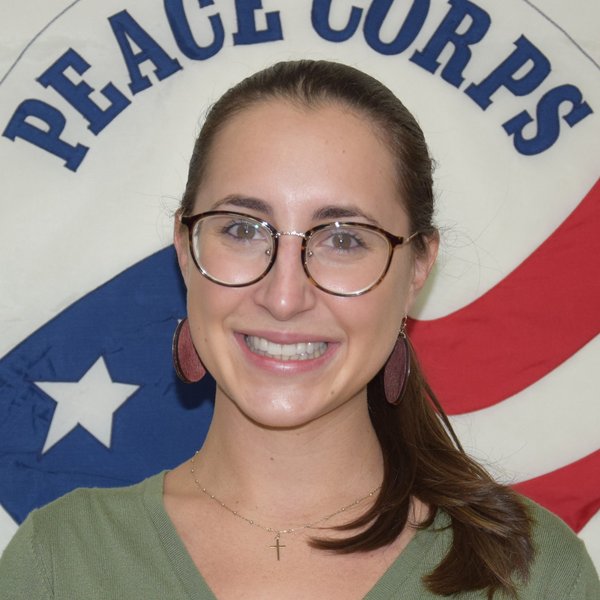
Sophia C.
“I love the small-town vibe where I live; I had never lived in a small town surrounded by farm animals and mountains until now. As an animal lover, I can hardly contain my excitement every time I see a cow, sheep, or pig.”
1. What got you interested in the Peace Corps?
When I was 16, my mom insisted that I go on a service trip to Costa Rica. While there, I realized there was much more to the human experience than the perspective I had from my little life in Tampa, Florida. From a young age, I always loved helping people. My family often suggested career paths for me: “You should be a nurse,” “You should work with kids,” etc., but nothing really felt like my exact calling. I had never heard of Peace Corps until a recruiter presented to my university English class. From then on, it was all I could think about, and I told everyone I was going to join after college. I waited to apply until two years after graduation due to the pandemic. I am so thankful to finally be doing what I waited so long for.
2. What projects are you working on?
I am currently working on creating a pregnant women’s club. I meet with the same women weekly to learn about their pregnancy and cater teachings to the individual. Topics include danger signs during pregnancy, the importance of exclusive breastfeeding, having a plan during an emergency, and what foods to eat pre- and post-natal.
This past year I have been formatting an herbal tea book for the comadronas (midwives) to use. Herbal tea can help women with a wide variety of issues related to their health and/or pregnancy. Some herbs including laurel or bay leaves help reduce sugar levels in the blood. Epazote decreases inflammation, and dill helps increase a lactating mother’s production of milk. My goal is to work with my community to create a garden where midwives can plant and harvest herbs to use medicinally for pregnant women.
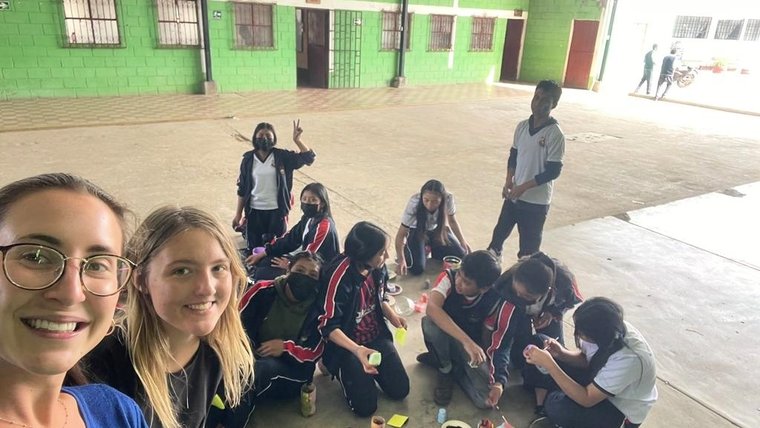
I am also a part of a health committee in my town to strengthen our health center. We first began by reconstructing the bathroom and making it more user friendly for our patients. Our latest project is to paint and remodel the building, as well as implement a friendlier, more playful space for the children of our patients.
3. What strategies have you used to integrate into your community?
This year I’ll be dancing in our town’s convite (parade). We practice twice a week, and many people are excited about the fact that I will be dancing in it; they can’t wait to see which costume I’ll be wearing when it comes time for the unmasking of the dancers.
I love to go to the market every Sunday and talk with the local vendors in my area. They have started to learn my name and ask about my work. Recently I was gifted all my fruit for free!
4. What is a highlight of your time in service so far?
Becoming great friends with my work partner. She makes me feel very welcome and creates an inclusive environment for everyone! We share our lunches with each other and take turns teaching one another Spanish and English words.
5. What have you enjoyed most about the community where you are serving?
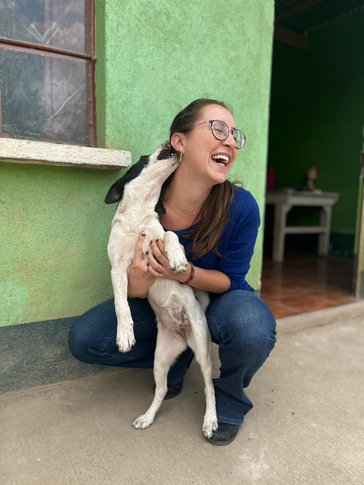
I love the small-town vibe where I live; I had never lived in a small town surrounded by farm animals and mountains until now. As an animal lover, I can hardly contain my excitement every time I see a cow, sheep, or pig. Everyone knows everyone here and I feel much safer in a small town in Guatemala than I’ve ever felt in my life. Living here has really helped me to slow down in every aspect of my life and not take anything for granted.
6. What are some of the most important things you’ve learned from your community?
Take your time… say hi to everyone you do and don’t know!
Tortillas are much more than flour and water… they are a way of life.
Love is all around you, just stop and look around.
7. How do you spend time when you are not working on a project?
I love to do yoga, read, take photos, explore the beauty Guatemala has to offer with fellow Volunteers, and spend time with my little host sisters—playing, drawing, and giggling.
8. What are you looking forward to in your remaining time as a Volunteer?
All the projects I have yet to do and all the people I have yet to meet. With only a year left, I feel like I have so much to do with so little time and want to take advantage of it as much as possible. I am incredibly blessed to wake up every morning with such an experience and don’t want to take it for granted.
They say the first year of service you really learn from your community and the second year is when you can begin implementing ideas from what you’ve learned. I realize more each day how true this is. I hope to see my community’s projects come to life and assist my counterparts in creating more sustainable methods of healthcare. The women and children we serve are the future of Guatemala.
9. Once you finish your service, what will you do differently when you return to the U.S.?
I feel that after your service as a Volunteer, you are never the same. After being evacuated for three months and living at home, I realized how much I changed. Living in Guatemala has taught me invaluable lessons with regards to what’s truly important in this life: my relationship with God and family—and to take time to truly invest time and energy into both. I plan to continue using the values I’ve learned here, wherever I may be next year, and lean even more into a slower-paced way of life.



