 An official website of the United States government


Featured Participant Profile
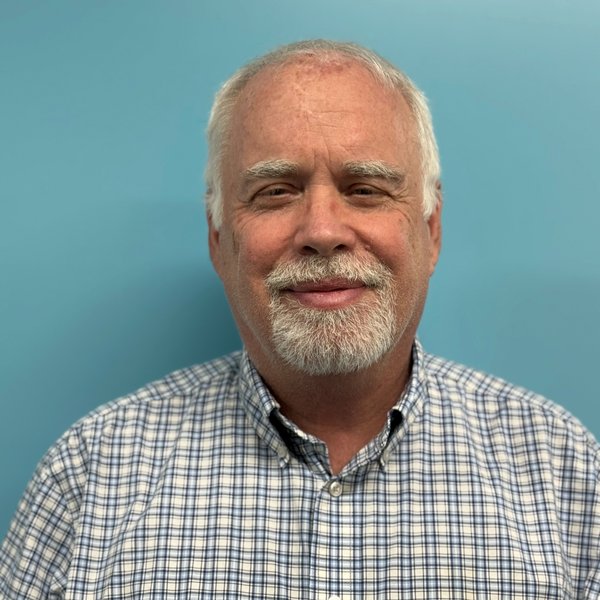
Michael M.
“I have learned to focus my efforts on engagement and relationships in the classroom, not just goals and outcomes. The work that I am doing alongside Lesego, Sibusiso, and Nelly has inspired me to research and publish more about teaching and learning!”
1. What got you interested in the Peace Corps, specifically the Virtual Service Pilot?
After serving as a two-year Volunteer in both Jamaica and Yemen followed by serving as an associate country director at Peace Corps Tanzania, I missed the interaction with host country counterparts. At the end of the day, it is the relationships with counterparts, students, and Peace Corps staff that I missed the most and one of the reasons I was excited to participate in the pilot. There is something very pure about a group of people working together wholeheartedly to help others learn and grow. Despite the challenges the agency has faced since it was launched, I have marveled at the honesty, sincerity, and goodwill I experience in my various services.
2. What projects are you working on?
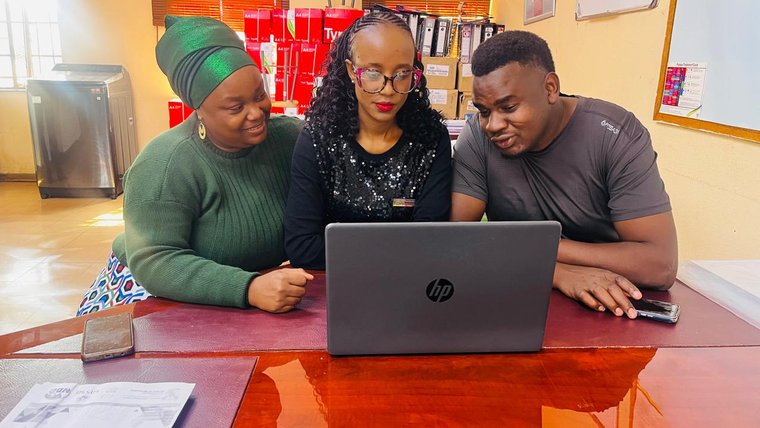
I am currently collaborating with three reading coaches in Pretoria, South Africa (Lesego, Nelly, and Sibusiso). They have the very challenging job of helping young students learn to read and write in English. The reading coaches have established and maintained great relationships with both the teachers and school staff, but the coaches must navigate an ambitious curriculum and learners who are occasionally reluctant. Together, we identify creative ways to engage these students, prioritizing getting to know more about the students’ lives and interests. For example, my counterparts Sibusiso, Nelly, and Lesego introduced the practice of journalling to the students. Journaling can be time-consuming, but it is also very revealing. The journals have shed light on their lives outside of school, allowing the reading coaches to make authentic connections and identify areas of motivation.
We also explore educational theory in regard to the reading coaches’ interests and concerns. Our conversations are fun, open, and honest. Nelly, Lesego, and Sibusiso are very bright coaches who will make excellent classroom teachers one day, and it is a privilege to engage online with them.
3. What is a highlight of your VSP engagement so far?
Each weekly meeting is a highlight. The reading coaches are bright, eager to learn, and they have a great sense of humor. Learning about their struggles, successes, and occasional setbacks is poignant. I enjoy watching them plan and work together to figure out a particular student’s difficulty or on larger extracurricular activities that the students love. I look forward to our engaging and professional discussions.
4. What strategies have you used to meet the challenges of a short-term, remote experience?
One strategy was to have the reading coaches utilize reading/writing journals. The coaches share examples of the journals with me during our weekly meetings and describe the types of activities the students do in their journals. We spend time analyzing the information, looking for insight and sources of motivation for the students. On occasion, a student joins our meeting and shows us their work, art, or dancing skills. This activity has resulted in many discussions beyond the structured curriculum requirements. The journals also give the coaches some insight into their students—a task that may be complicated when a student is only expressing themselves in a second or third language. Most of the students can speak 2 or more of South Africa’s languages (Sepedi, Zulu, Setswana, Tsonga, Swati, Ndebele, Shona, Sesotho and Xhosa).
The students can write and draw in their journals. When they draw pictures, they are encouraged to describe those pictures in English, motivating the students to develop their English vocabulary. Perhaps most importantly, the journals allow for an intersection between the student, language acquisition, and the coaches that isn’t deficit-based.
5. What benefits are you gaining from your participation?
I gain a lot from these three wonderful reading coaches. In particular, I get to wade back into the unadulterated joy of teaching children. This is somewhat vicarious, but working with Sibusiso, Nelly, and Lesego is refreshing and honest. There are no political, religious, or unnecessarily pragmatic considerations in what we do. We simply discuss how we can help those children learn English the best way possible. It doesn’t hurt that we find opportunities to laugh in our sessions.
6. How has your previous Peace Corps and/or professional experience enriched your VSP engagement?
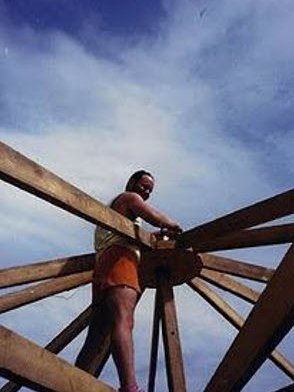
My first Peace Corps Volunteer service in Jamaica involved teaching orphans in a one-room school during the day and literacy for adults in the evening. I had very few educational resources available to me to support those assignments. For my second in-person Volunteer service in Yemen, I taught English in a village school and also did secondary projects in a local Eritrean refugee camp where I helped another Volunteer build a school and facilitated rehydration therapy sessions for the women with infants. Again, I had very few resources. As an overseas Peace Corps staff member in Tanzania, I supervised Volunteers who thrived despite the lack of traditional resources. The common element was flexible teaching and creative problem-solving.
I have learned to focus my efforts on engagement and relationships in the classroom, not just goals and outcomes. The work that I am doing alongside Lesego, Sibusiso, and Nelly has inspired me to research and publish more about teaching and learning!
7. What will you bring away from your VSP engagement?
I haven’t thought about stopping, so I haven’t considered what my takeaway will be from this experience. As a dean at a college in the States, I don’t get as much direct student contact as I would like. My virtual service reminds me vividly of the simple and sacred acts of teaching and collaborating with like-minded peers. It is extremely energizing!



