 An official website of the United States government


Featured Volunteer Profile
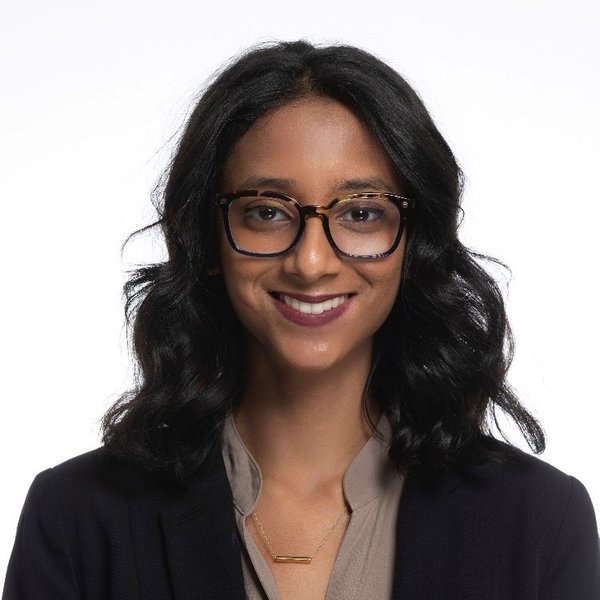
Devshri D.
“Learning to break the habit of being digitally active when I felt uncomfortable helped me be more present in my community and integrate better.”
1. What got you interested in the Peace Corps?
During my sophomore year at the University of Florida, I completed a volunteer trip with a university organization where I had the unique opportunity to provide health services to populations who lacked accessibility in Cusco, Peru. This experience was pivotal as it introduced me to the importance of international community development and the necessity of sustainability in such development projects.
After this program I continued to prioritize service and community development by working closely with United Way and the Alachua County Crisis Center until I finally found my way to the Peace Corps. I felt that the Peace Corps mission would provide me with the opportunity to explore the intersection of public health, service, and community development while also experiencing cultural immersion.
2. What projects are you working on?
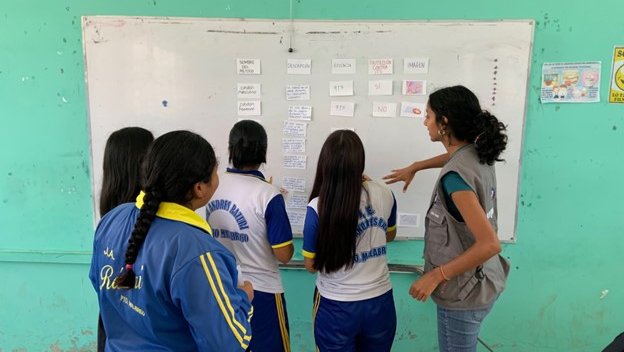
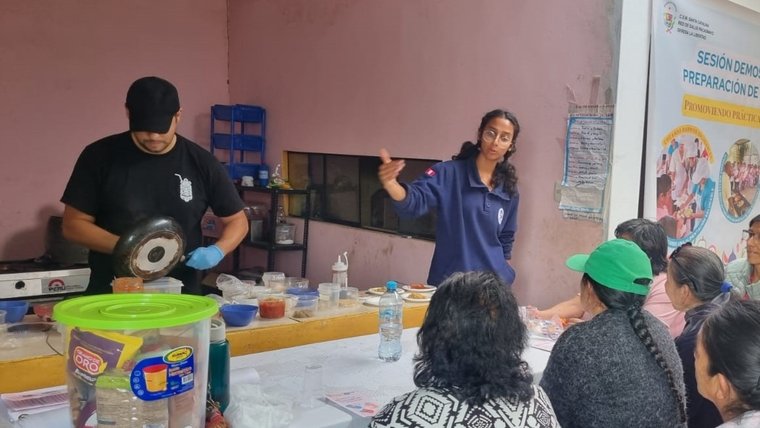
As a Community Health Volunteer, I currently work on projects centered around prevention of anemia and adolescent pregnancies. I work with a health post to lower anemia in pregnant women and children under 5 by conducting educational sessions and training community health workers. Additionally, I also train teachers to conduct life skills sessions that focus on adolescent health, specifically sexual health. These prevention efforts are vital in making information more accessible.
3. What strategies have you used to integrate into your community?
Technology makes it easier to manage being away from family/friends back home, but for me, connecting to family/friends through social media pulled me away from my service experience. Learning to break the habit of being digitally active when I felt uncomfortable helped me be more present in my community and integrate better.
One strategy I used to integrate was learning how to sit by myself in public. I had to get comfortable being far from home, immersing myself in my community, and participating in events organized by the local municipality, church, and schools. Becoming more visible in my community helped me get invited to and included in key cultural events
4. What is a highlight of your time in service so far?
I have had the pleasure of working with a group of young women during their “serum” year. Serums are recent graduates of their health specialization who elect to complete one year of service working in rural zones in Peru. In December of last year, four serums and I organized the first Christmas health campaign in collaboration with community leadership. We were able to identify 6 cases of anemia in children under 5, and also conduct educational sessions on dengue in preparation for the upcoming rainy season. This was one of the first hands-on activities that I planned and it was rewarding to make healthcare more accessible in an area located far from the health post.
5. What have you enjoyed most about the community where you are serving?
In evenings on hot summer days, people in my community put their chairs out to enjoy the ocean breeze. At 5 pm all doors in my community swing open and everyone sits outside to talk with neighbors and cool off. Joining in at times has been one of the most rewarding parts of my service. It has helped me connect with people of all age groups and learn about the history of the community and generations of families that have lived here.
6. What are some of the most important things you’ve learned from your community?
One thing I have enjoyed most about my community is listening to stories in female-dominated spaces. These stories have shown me the importance of women’s resilience and perseverance in a conservative culture. These values have continued to push me forward in my service and have shaped my perspective. Having the opportunity to experience the intimacy of kitchen table conversations has empowered me to ask difficult questions and listen closely to personal experiences.
7. How do you spend time when you are not working on a project?
On Saturdays when I am not working, I go to orchestra practice. As a viola player, I have had the unique opportunity to be a part of the local municipality’s orchestra. In December of 2023, I performed in my first open-air concerts in front of the community. It was a full circle moment to have the opportunity to be able to return to playing the viola, share my passion for music, and contribute in ways outside of my work.
8. What are you looking forward to in your remaining time as a Volunteer?
I am looking forward to collaborating with my counterparts in the health post to start a nutrition project, with the help a small grant I secured. The project will allow us to address the health needs of families in communities with high cases of anemia, diabetes, and hypertension. We will demonstrate how to adapt traditional Peruvian dishes in a way that is accessible and economically feasible.
Aside from work, I am looking forward to celebrating “fiestas patronales” dedicated to various saints in June. During these fiestas, there’s traditional dancing, such as the dance of the lizard and the dance of the Moche people.
9. Once you finish your service, what will you do differently when you return to the U.S.?
I have witnessed the power of education and the importance of providing clear and accessible information, especially in a health context, to all ages and all kinds of people. Closing knowledge gaps without introducing fear or shame are necessary to facilitate sustainable behavior changes. These takeaways will inform my journey as I pursue a career in medicine following the Peace Corps and will shape the way that I approach my future patients.



