 An official website of the United States government


Featured Volunteer Profile
Kate S.
“There were days I thought I was showing up to play soccer with the community and instead found a large group waiting for sewing lessons. That experience of learning to pivot calmly has helped me tremendously in leadership roles.”

1. What were your primary responsibilities during service?
My primary role focused on HIV education, prevention, and impact mitigation in rural Eswatini. I worked closely with schools and community members to teach HIV prevention, healthy decision-making, and life skills that could help reduce the spread of disease. Just as important as the education itself was helping to reduce the stigma surrounding HIV so people felt safe seeking treatment and support. In communities where life-saving medications were available for free, fear and shame were often the biggest barriers to access. Much of my work centered on building trust and creating spaces where difficult conversations could happen openly. Peace Corps taught me quickly that effective public health work is rarely just about information. It is about relationships, cultural understanding, and showing people they are seen and valued. The work challenged me daily and changed the way I think about service, leadership, and community.
2. What projects did you collaborate on with your community?
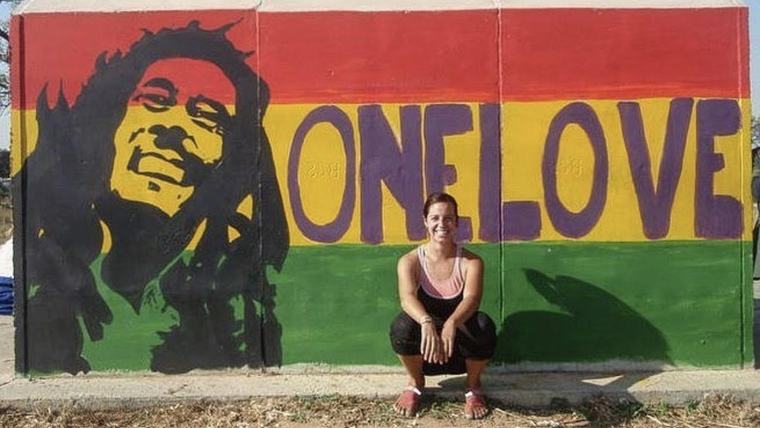
One of the best parts of Peace Corps service was how collaborative everything was. No two days looked the same, and the community constantly shaped the direction of the work. I helped women establish a government-recognized sewing association that created economic opportunities and long-term sustainability within the village. I taught life skills and HIV education classes in local schools, led yoga classes, taught swim lessons, and participated in “Paint the Town Red” campaigns that spread HIV awareness through murals and public messaging. I also attended circumcision events focused on disease prevention and supported fundraising efforts for libraries and clean water access. Some projects were formal and organized, while others started simply because someone in the community asked for help. That flexibility taught me to listen first and lead second. Looking back, the relationships built through those projects mattered far more than any single accomplishment.
3. How did Peace Corps service influence your professional path?
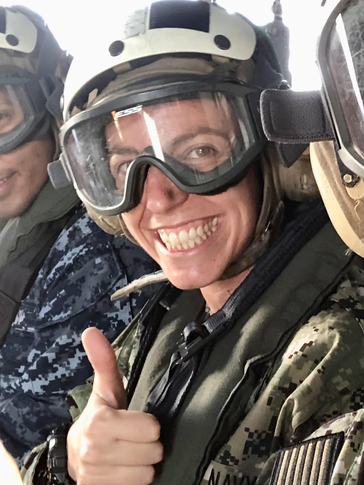
Peace Corps completely changed the direction of my life and career. After service, I started exploring careers in public health and realized most of the paths I was drawn to required a Master of Public Health degree. I was fortunate to receive a Peace Corps Coverdell Fellowship at the University of Arizona, where I continued working with underserved communities through refugee organizations and AIDS education centers. Those experiences reinforced how deeply I cared about service-oriented work.
During graduate school, I met friends serving in the Navy who described humanitarian missions aboard the USNS Comfort and USNS Mercy as “Peace Corps on a ship.” That idea immediately resonated with me. It inspired me to become a Navy healthcare administrator, where I later had the opportunity to deploy aboard the USNS Mercy. One of the most meaningful moments of my career was seeing both sides of humanitarian service: first as a Peace Corps Volunteer in a village receiving medical support, and later as part of the team helping coordinate and deliver that care. Peace Corps planted the foundation for a lifetime of service I never could have imagined before boarding a plane to Eswatini.
4. How do you use skills honed during service in your current job?
Peace Corps teaches you to become adaptable very quickly. You learn that plans can change instantly, and success often depends on your ability to stay flexible and positive. There were days I thought I was showing up to play soccer with the community and instead found a large group waiting for sewing lessons. That experience of learning to pivot calmly has helped me tremendously in leadership roles. Today, as a climbing gym manager, unexpected staffing issues, facility problems, and member needs arise constantly. Peace Corps taught me not to panic when things change, but instead to focus on what people actually need in the moment. It also taught me the importance of listening. In Eswatini, the most successful projects were rarely the ones I originally envisioned. They were the ones the community genuinely wanted. That lesson continues to shape how I lead teams, build programs, and create community spaces today.
5. How have you shared the value of Peace Corps service and communities abroad with people in the U.S.?
I love sharing stories from my time in Eswatini because the experience changed the way I see the world. I currently teach yoga classes, and I often incorporate Swazi words, cultural lessons, or stories into my classes to encourage people to slow down and be more present. Some of the most meaningful lessons I learned in Peace Corps had nothing to do with professional development and everything to do with human connection, gratitude, and community. I try to share those values whenever I can. I also enjoy talking about the joy, humor, and resilience I experienced in Eswatini because I think many Americans only hear stories about hardship in developing countries. What I remember most vividly is the warmth of the people and the sense of community. Peace Corps gave me a much deeper appreciation for cultures outside my own, and I hope sharing those experiences encourages others to approach the world with more curiosity and empathy.
6. What Peace Corps benefits have been useful to you?
The Coverdell Fellowship program was by far the most impactful Peace Corps benefit for me. It gave me the opportunity to pursue graduate school alongside other Returned Peace Corps Volunteers who shared a commitment to service and community work. Being surrounded by people who had also lived abroad and challenged themselves in unfamiliar environments created an incredibly motivating environment. In many ways, it directly led to my eventual decision to serve in the Navy. The friendships and professional connections I built through the program opened doors I never would have considered before Peace Corps. The fellowship program created a network and community that continued to influence my life long after service ended.
7. How have you remained involved with the Peace Corps community following service?
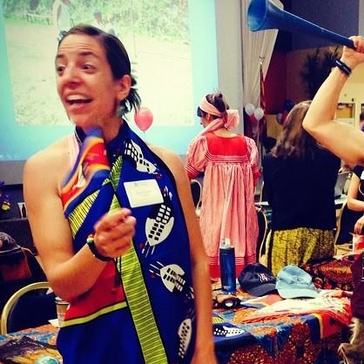
I have stayed connected to both the Peace Corps and Eswatini communities in several ways over the years. I still keep in touch with some of the NGOs and organizations I worked with during service and try to support them through donations and raising awareness whenever possible. I also stay connected with fellow Returned Peace Corps Volunteers from Eswatini. One RPCV created an athletic talent scouting organization focused on helping young athletes gain opportunities, and I frequently share and support his work. Even years later, there is still a strong sense of connection among people who served together. Peace Corps creates bonds that are difficult to explain unless you have experienced it yourself. No matter how much time passes, there is always a shared understanding and appreciation for the experience. I think many volunteers carry a lifelong desire to continue supporting the communities that shaped them.
8. What do you miss most about your host country?
What I miss most are the smiles and the singing. The people of Eswatini carried joy in a way that was impossible not to feel around you. Nearly every gathering, whether planned or spontaneous, could turn into singing and dancing within seconds. The harmonies were beautiful, effortless, and completely woven into everyday life. I still remember hearing entire groups break into song together without hesitation. Beyond that, I miss the sense of community and presence that existed there. People made time for each other. Conversations felt meaningful and unhurried. Years later, I still think about the warmth, laughter, and spirit of the people I met there. Those memories have stayed vivid long after many other life experiences have faded.
9. What’s your favorite word in the local language of your host country?
My favorite word is still “Sawubona,” which is the customary greeting in siSwati. It translates roughly to “I see you.” I have always loved the simplicity and depth behind it. In the United States, greetings are often rushed or automatic, asking how someone is without the ability to answer genuinely, but “Sawubona” feels intentional. It acknowledges another person’s existence and presence before anything else. There is something grounding about that idea.
10. What would you say to someone thinking about joining the Peace Corps?
I served years ago, and the memories from my time in Peace Corps are still some of the most vivid and meaningful of my life. The experience shaped the way I see the world, other cultures, and even myself. It taught me resilience, gratitude, adaptability, and how much humanity people share despite very different backgrounds and ways of life. Peace Corps prepared me for every stage of my career afterward, including graduate school, service in the Navy, and leadership roles later in life. More importantly, it gave me experiences and relationships that I will carry forever. There are very few opportunities in life that will challenge you and transform you in the way Peace Corps can. If you have the chance to serve, take it. It may completely change the direction of your life in ways you cannot possibly predict.
Learn more about benefits after Peace Corps service.



