An official website of the United States government


Discover additional benefits after Peace Corps service
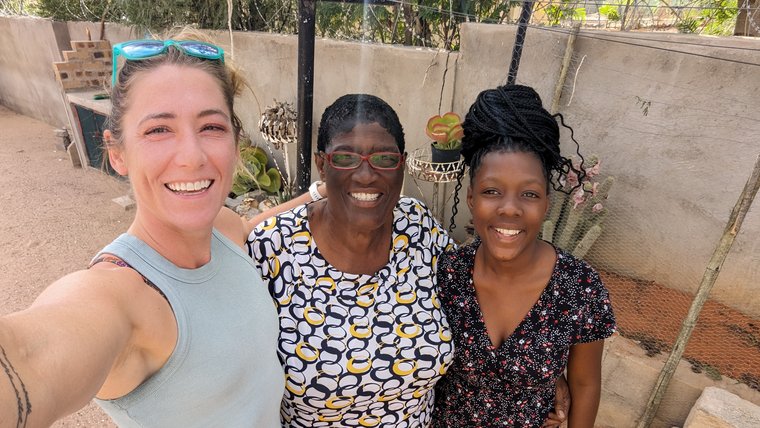
Peace Corps service is unique and bold and challenging, and becoming an RPCV puts you in a special sort of club where everyone else has a mix of grit, optimism, and desire to serve that you do.
This is the reason there are no “former” Volunteers, just ones who have returned from service. Once a Peace Corps Volunteer? Always a Peace Corps Volunteer.
Post-Peace Corps service lasts a lifetime
What you may not know is that Peace Corps is set up—by its very mission—to help Returned Peace Corps Volunteers (RPCVs) engage and feel supported for the long term. This is the “third goal” of the Peace Corps:
To help promote a better understanding of other peoples on the part of Americans. Volunteers immerse themselves in other cultures, learn new languages, and share their experiences when they return home with family, friends, and neighbors. This promotes cultural understanding, volunteerism, and public service.
RPCVs have a strong advocate and a powerful network
Once you’ve successfully served as a Peace Corps Volunteer, you’re eligible for membership in the National Peace Corps Association (NPCA). NPCA is a treasure trove for RPCVs. Membership is free and they have a new platform, Connect+, that provides a dedicated space for RPCVs to share news, information and events across the community.
NPCA also advocates for the interests of RPCVs, hosts Peace Corps Connect, a yearly conference of RPCVs, and offers a nationwide network of affiliate groups cataloged by region or country of service.
There is even a group, RPCVNexus, dedicated to career and professional development support for Returned Volunteers.
Career and education support
The Peace Corps also offers educational and career support to RPCVs. This includes an online job board, information about reduced tuition at over 200 graduate school programs, and ways to access important benefits and resources related to Peace Corps service.
Our team can also guide RPCVs to continue serving, either in public service jobs or through serving with the Peace Corps again—perhaps by becoming a Response Volunteer, which serve up to a year. Or by getting involved without ever leaving home through Virtual Service.
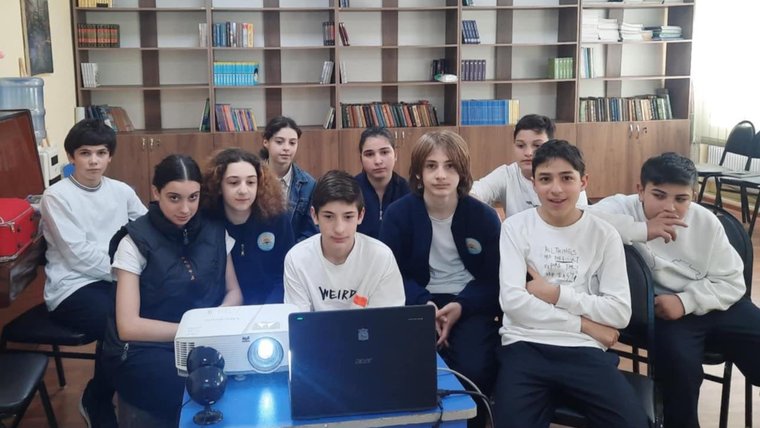
"Remembering the transformative experience I had serving as a Community Development Volunteer with the Peace Corps in Madagascar, I felt compelled to explore the Virtual Service Pilot (VSP). Virtual Service provided an avenue to serve while still managing my commitments to family and work here at home, something a traditional overseas placement would make significantly more challenging," Yixiu said. Read more about her experiences here.
There are many options to continue your service, including connecting with our Circle of Service partners—a group of organizations that are committed to making the world better through volunteering.
Share your story with others
Use our materials to share your tale of transformation in the Peace Corps with schools and other organizations through the Global Connections program. There’s even a museum dedicated to the Peace Corps experience, which collects stories and artifacts and hosts traveling exhibits that tell the collective story of the agency through the personal stories of the people who make Peace Corps what it is.
Are you a writer? Peace Corps Worldwide is a lively place for RPCV writers who want to share their stories in published form. Not only does Peace Corps Worldwide have a publishing imprint specifically geared toward publishing the work of RPCVs, staff, and host country partners, but they also review RPCV-written books. On the Peace Corps Worldwide website, you can read excerpts from work by RPCVs, listen to podcasts, get RPCV book recommendations, and even sign up for writing workshops if you need a little guidance on turning your Peace Corps journals into a book.
The Peace Corps invites RPCVs to share their experiences on the Peace Corps blog as well as through Returned Volunteer profiles.
Elise K. shared her experiences as a Health Volunteer in Botswana on the Peace Corps blog. Inspired by the values of interdependence she learned during service, and the loss of a friend, she went on to form a nonprofit focused on mental health.
A journey that lasts a lifetime
Peace Corps service isn’t just a job; it’s a choice that can change your life. When you’re at your Peace Corps site, working alongside your counterparts and your host community, you may not think about how Peace Corps will impact your life in 10, 20, 30, or even 50 years. That’s ok. When you’re in the midst of that experience, you should be focused on it. But, just know that, back here at home, there are a ton of ways to keep engaging with the Peace Corps community and many benefits awaiting your return.