 An official website of the United States government


Featured Volunteer Profile
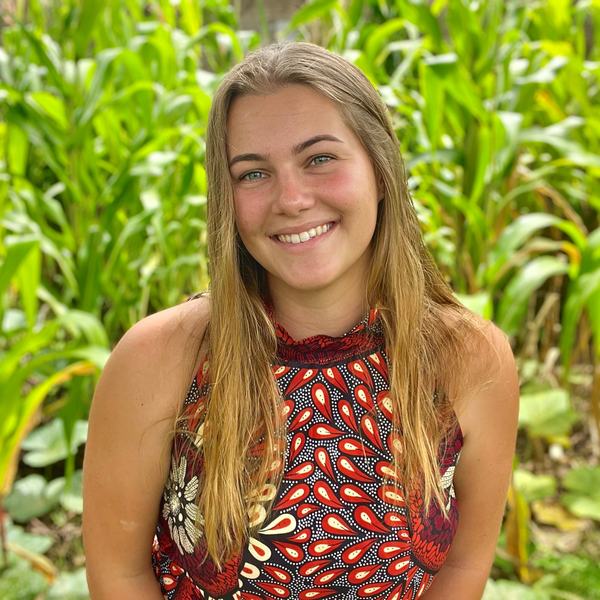
Lydia H.
“At the end of my first week in the village, I received the name Miyanda in the local language, Chitonga, which translates to "roots” ... they said it was symbolic for the way the community and I would be rooted together as we grow in the next two years.”
1. What inspired you to apply for this Peace Corps position?
My parents raised me in a home full of curiosity, and from a young age I knew that I wanted to explore the world. My aunt and uncle, who served in the Central African Republic in the 1970s, inspired me to apply to the Peace Corps. I grew up hearing stories of their adventures and how their service shaped their future. I eventually developed a passion for working with people and the environment. I studied international affairs at Florida State University, and a course on food security and food justice showed me a way to combine my interests that I had never imagined before. I moved from Florida to Colorado to join the AmeriCorps VISTA program and began volunteering on small-scale organic farms. I found how much I loved working at the intersection of community services, food security, and the environment. Eventually, the Peace Corps just felt like a natural next step!
2. Tell us about a moment that sticks with you from the first week at your site.
Arriving in my village felt surreal. I felt overwhelmed by the beauty and tranquility of the environment and yet energized by the passion of my community and joy from my host family. The family assigned to support me immensely helped to steady me in my new home. They let me explore this new space, and make it my own as well, always reminding me to “feel free.” It takes some time to feel truly comfortable in a new place, but the people made me feel as if I belonged to the community as much as them.
I spent a lot of time walking around the village in my first weeks, learning the paths, greeting my neighbors, and finding the sweetest fruit trees. Now, walking those same paths feels like second nature, I could do it with my eyes closed. My family and my community helped me make this village my home, from the moment I arrived.
At the end of my first week in the village, I received the name Miyanda in the local language, Chitonga, which translates to "roots.” In addition to the connection with trees, they said it was symbolic for the way the community and I would be rooted together, as we grow in the next two years and beyond.
3. What projects are you working on?
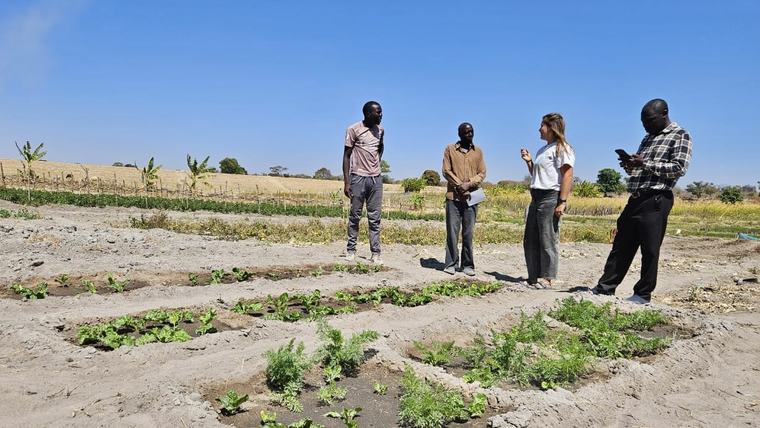
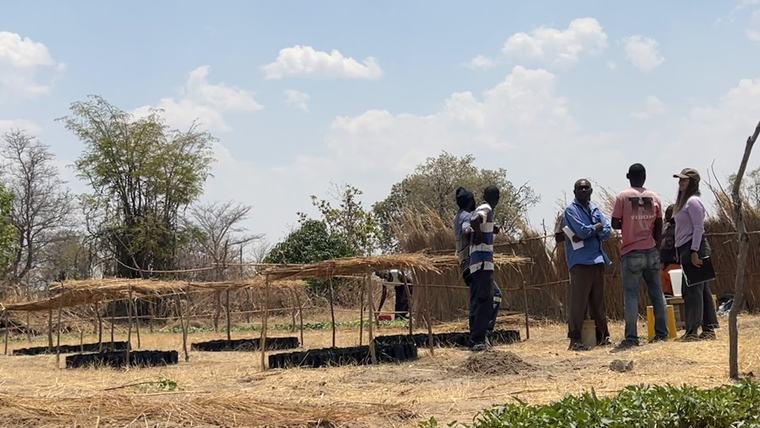
My main job is to teach farmers about agroforestry and the different ways to incorporate trees and other sustainable practices into their farming. Since this place is so dependent on agriculture and the environment, we need to work hard to protect the soil and the land, to allow farmers to sustain themselves and their families’ futures. My job isn’t completely defined, but I work with these farmers and community members to build tree nurseries, teach about soil health, assist in local clinics, work with the schools and clinics to increase nutrition and nutrition education in the community, and teach about income-generating activities that do not cause deforestation—for example, beekeeping and mushroom growing, in place of charcoal production and tobacco growing. I am currently working with local agricultural cooperatives to begin growing mushrooms in the community, to support nutrition, and generate income.
4. What strategies have you used to integrate into your community?
Language was the most important tool for integration, but sharing spaces and entering the community with curiosity has allowed me to fall in step with living here. Not only did I experience the cultural shock of moving to a new place with a new language and different customs, but this was my first time living in a very rural environment. As I struggled to adapt to some of these changes, I tried to remind myself that this was an opportunity to stay curious and learn how to live at a different pace. For example, I get my water from a borehole (using a hand pump), and I used to see this as a chore that I was not very efficient at. Now, I see it as social time, I chat with the people who are also fetching water, and we can joke and make plans for future projects.
It's truly all about perspective, and I try to step into every experience with positivity. I have the wonderful opportunity to be in Zambia, and I don't want to hold myself back from being fully present. This optimism helps me to stay curious and push myself to explore different paths, build connections, try new foods, and create a place for myself in this community.
5. What’s a typical day like for you?
No two days are alike! But I can say that one of my favorite parts of the day is my morning routine. I sip my coffee in my outdoor kitchen, as I watch the herds of cows graze along the dam floodplain. Then, I head to my garden to water my vegetables and tree nursery, before heading to my activity of the day. I usually spend my evenings visiting community tree nurseries, helping plant trees, or chatting with neighbors.
I'm still learning to adapt to the different pace of life that comes with living in a rural village; the daily schedules here are largely based on agricultural calendars and change with each season. I have to adapt programs to align with the weather, and the availability of community members. My favorite time has been the transition period between the rainy season and cold season (like our autumn). Everything is green, and I manage saplings, plant trees with community members, visit neighbors and nearby villages to plan projects, and spend more time with my family, since the work in the maize fields is paused until harvesting begins.
6. What is a highlight of your time in service so far?
Some of my favorite moments in Zambia have been while exploring the country; I have seen the largest mammal migration in the world, when millions of fruit bats descend upon Kasanka National Park; kayaked on rivers; visited Victoria Falls; and gone on safaris to see elephants, rhinos and more! I love to explore locally as well; attending weddings and ceremonies with my family, biking throughout Southern Province, and walking between villages where the cows graze.
7. What are some of the most important things you’ve learned from your community?
I love spending my time in my garden; I grow spinach, kale, tomatoes, bell peppers, herbs, carrots, cucumbers, and more! It’s been so fun to exchange vegetables with neighbors. I get to introduce them to some of my favorite things from home, like spinach, arugula and cilantro, and they share local greens with me, like pumpkin leaves, amaranth, hibiscus leaves, and okra.
8. What will you do differently when you return to the U.S.?
When I return to the U.S., I look forward to having my own garden, as I do here, to try to produce more of my own vegetables. It’s really fulfilling for me to enjoy the fruits of my labor and get my hands in the dirt.
I will also take with me the importance of community. We have all heard the saying “It takes a village,” but here I have truly learned the power of supporting others and allowing yourself to be supported by them in turn. Sometimes community comes at the cost of convenience, but it's a tradeoff I have come to value so much. My family makes me feel cared for, my community makes me feel appreciated, and my friends here help me find joy in my new home. We share in our joys and help each other through our troubles. It’s a beautiful feeling that I have never experienced to this degree before
Learn more about serving as a Peace Corps Volunteer in Zambia.



