 An official website of the United States government




Featured Participant Profile
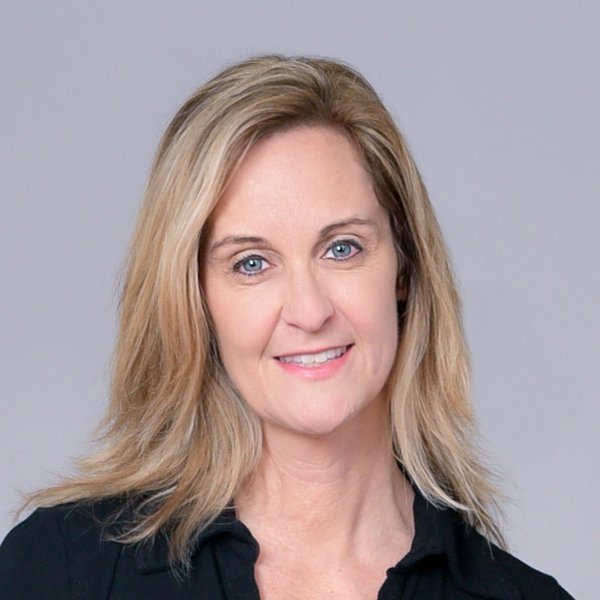
Cathy H.
“The kindness and welcoming nature of the Filipino people have made this a truly memorable and rewarding experience—one that I will carry with me as I continue working in international service and disaster resilience efforts.”
1. What got you interested in the Peace Corps, specifically the Virtual Service Pilot?
I have always been passionate about service and intercultural collaboration, and the Peace Corps has long represented a meaningful way to contribute my skills to global initiatives. The Virtual Service Pilot (VSP) appealed to me because it allows for knowledge-sharing and capacity-strengthening despite geographical barriers. The opportunity to support disaster risk reduction and management (DRRM) education in the Philippines aligned perfectly with my background in emergency preparedness and public health. I was excited by the prospect of contributing remotely while still forming valuable relationships with partners in another country. The flexibility of VSP makes it possible to engage in meaningful work while balancing professional responsibilities at home.
2. What projects are you working on?
I am assisting in the development of a curriculum for a DRRM-integrated National Service Training Program (NSTP) in collaboration with a university in the Philippines. This includes:
- Identifying and designing appropriate courses for DRRM integration into NSTP.
- Providing expert recommendations on strategies for incorporating DRRM into instruction.
- Co-developing guidelines for integrating DRRM into the NSTP curriculum to ensure effective implementation.
3. What is a highlight of your VSP experience so far?
One of the most rewarding aspects of my experience has been collaborating with faculty and partners. Their passion for disaster preparedness education and commitment to integrating DRRM into the National Service Training Program (NSTP) curriculum has been truly inspiring. [My partners’] enthusiasm for building resilience within the educational system has reinforced how vital this work is. Another highlight has been the exchange of ideas—learning from my counterparts about local disaster risks, response strategies, and educational challenges has given me a broader, more nuanced perspective on DRRM beyond my own experiences.
4. What strategies have you used to meet the challenges of a short-term, remote experience?
Given the limited time frame and remote nature of VSP, I have relied on proactive communication, structured planning, and cultural adaptability. Establishing clear goals and deliverables early on has helped keep the project on track. Regular virtual meetings, along with asynchronous communication tools, have been essential for maintaining momentum and staying aligned despite time zone differences. I’ve also made an effort to learn about the cultural and institutional context of my partners to ensure that my recommendations are practical and respectful of their needs. Being flexible and open to feedback has been crucial in making the collaboration as effective as possible. Additionally, flexibility and adaptability have been key in navigating time zone differences, connectivity issues, scheduling conflicts, and evolving project needs.
5. What benefits are you gaining from your participation?
This experience has provided both professional and personal growth. Professionally, I have expanded my expertise in disaster risk reduction education, curriculum development, and international collaboration. Working with educators in the Philippines has given me insights into how DRRM is approached in different cultural and geographic contexts, deepening my understanding of global disaster resilience strategies.
On a personal level, the relationships I’ve built and the cultural exchange have been incredibly rewarding. I have gained a greater appreciation for the dedication of local educators and the resilience of communities facing disaster risks.
6. How has your previous professional experience influenced your VSP experience?
My background in public health, emergency preparedness, and program development has played a significant role in shaping my VSP experience. Having worked on disaster preparedness initiatives before, I understand the importance of tailoring strategies to local contexts and ensuring that educational programs are both practical and sustainable. My previous experience coordinating cross-functional teams has helped me navigate remote collaboration effectively. Additionally, my understanding of risk communication and stakeholder engagement has allowed me to provide thoughtful recommendations on how to integrate DRRM into the NSTP curriculum in a way that is both engaging and impactful.
7. What will you bring away from your experience as a VSP Participant?
I will take away a renewed appreciation for the power of remote collaboration in achieving meaningful global impact. This experience has reinforced the importance of adaptability, proactive communication, and strategic planning in short-term initiatives.
More importantly, working with my university partner and engaging with the local team has been incredibly enriching. The warm hospitality, dedication, and collaborative spirit of my counterparts have made this experience both fulfilling and inspiring. I’ve gained a deeper understanding of the cultural context in which disaster preparedness education is being implemented, which has broadened my perspective on global risk reduction strategies. The kindness and welcoming nature of the Filipino people have made this a truly memorable and rewarding experience—one that I will carry with me as I continue working in international service and disaster resilience efforts.



