 An official website of the United States government




Featured Volunteer Profile
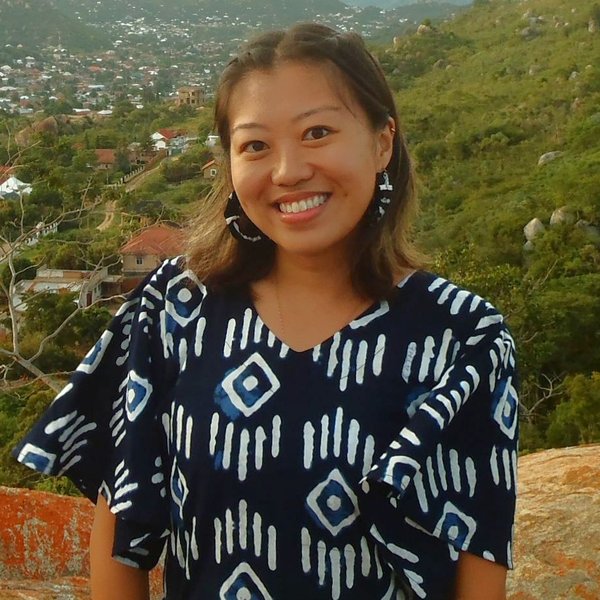
Katherine W.
“Singing and dancing are central to Tanzanian culture, so participating in these activities with my community has allowed me to build strong connections across different age groups.”
1. What got you interested in the Peace Corps?
I first became interested in the Peace Corps during graduate school, where I heard classmates and guest speakers share their service stories and the impact they made. Before graduate school, I had also worked with an NGO in Cambodia on similar health and education projects, which gave me a foundation and desire to do more. I felt that the Peace Corps would allow me to build on this experience while working more closely with a community over time. I was also drawn to the idea of challenging myself in a new environment and gaining a deeper understanding of another culture.
2. What projects are you working on?
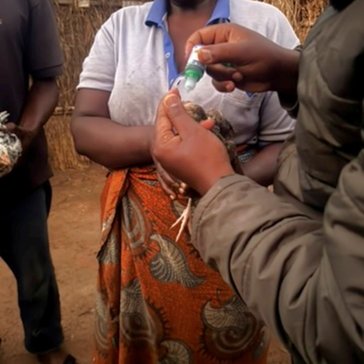
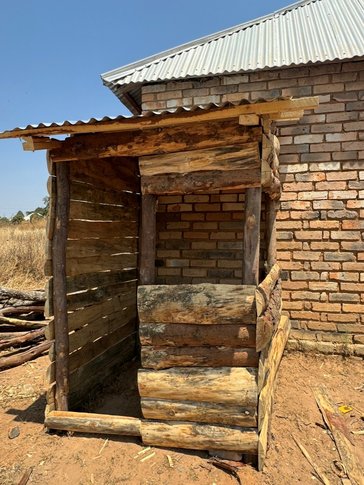
Since arriving in my community last December, I have established a people living with HIV (PLHIV) support group that now has around 45 members. We meet monthly to discuss HIV-related topics, share experiences, and support each other emotionally and socially. I also recently completed a chicken husbandry project with the group, in which half the members received 5 chickens and a new banda (coop) each, which has helped improve both nutrition and household income.
In addition, I have formed a women’s financial literacy group where we use animations and local scenarios to teach basic financial skills.
I also helped organize a girls’ empowerment day with two other Volunteers at a nearby secondary school; together we covered topics on SMART goals, mindfulness, and healthy relationships.
3. What strategies have you used to integrate into your community?
I’ve made it a priority to spend time with people in informal, everyday settings. I visit the dukanis (shops) regularly to chat with shopkeepers and neighbors and learn what’s happening in the village. I often play cards with locals, which has helped build friendships in a fun and natural way. Sharing food has also been an important part of my integration, as it opens the door to conversation and connection. Music has also been a helpful tool for integration. Since singing and dancing are central to Tanzanian culture, participating in these activities with my community has allowed me to build strong connections across different age groups.
4. What is a highlight of your time in service so far?
One of the biggest highlights of my service has been creating the first-ever PLHIV club in my village and watching it grow into a real community of support. Seeing members open up, laugh together, and take pride in their progress has been incredibly meaningful.
Another highlight was going on my first safari with a group of Volunteers. It was a moment where I felt both grateful for Tanzania’s beauty and connected to the people I serve alongside.
I also had the chance to host my family and show them my community. Being able to walk them through my village, introduce them to my neighbors, and show them the projects I’ve poured myself into made everything feel real in a new way.
5. What have you enjoyed most about the community where you are serving?
I love that my community is a small village with fewer than 1,500 people because it means people know one another well and support each other constantly. There is a strong sense of belonging, and it didn’t take long before people began greeting me by name. I enjoy walking through the neighborhood and being invited into people’s homes for chai (tea), food, or simply conversation. Tanzanians are incredibly hospitable and kind, and their warmth has made it easy for me to integrate and feel welcomed. Their generosity has truly made my village feel like a second home to me. If I ever need help with something, I rarely have to ask more than one or two people before someone steps in to support me.
6. What are some of the most important things you’ve learned from your community?
I have learned a lot about patience, resilience, and the value of taking time to build relationships. My community has taught me that progress often comes slowly and through many small steps, rather than big changes all at once. I have also learned the importance of sharing, whether it is food, time, or stories, and how these gestures create strong social bonds. Living in a rural village has also shown me how resourceful people can be with the materials they have, creatively repurposing things or repairing items instead of replacing them. I’ve also learned to just embrace the flow of community life, like when everything pauses for a big Simba vs. Yanga match and the priority becomes celebrating, laughing, and watching the game together. Moments like these remind me to slow down, piga story with neighbors, and appreciate the simple joys around me.
7. How do you spend time when not working on a project?
When I’m at home or in the village, I like to spend my free time reading, cooking, watching movies, and taking walks around the community. These activities help me relax and give me opportunities to interact with neighbors. I also love spending time with my two cats, Paris and Cheezy. On weekends, I usually travel to my banking town to meet up with other Volunteers. Spending time with them helps me recharge and share experiences. I also enjoy exploring new food spots in town and catching up on calls with family and friends back home.
8. What are you looking forward to in your remaining time as a Volunteer?
I’m looking forward to implementing a pig husbandry program with my PLHIV group, which will help improve both nutrition and income generation. I also hope to increase male engagement at the local zahanati (clinic), especially in areas like family planning and HIV services. Another goal is to do more activities at the secondary school, including regular health sessions, life skills workshops, and larger empowerment events for students. I would also like to organize a girls’ camp with other Health Volunteers to create space for leadership development, confidence-building, and mentorship.
On a personal level, I’m excited to explore more of Tanzania during my remaining time in service. I hope to travel around the country and climb Mt. Kilimanjaro.
9. Once you finish service, what will you do differently when you return to the U.S.?
I’ve learned to appreciate the art of slowing down and enjoying the present, and to accept that some days are meant for simply doing nothing. It’s a lesson I hope to carry back with me to the U.S., where I want to be more present with the people around me and less rushed by constant busyness.
Learn more about serving as a Peace Corps Volunteer in Tanzania.



