An official website of the United States government


Featured Volunteer Profile
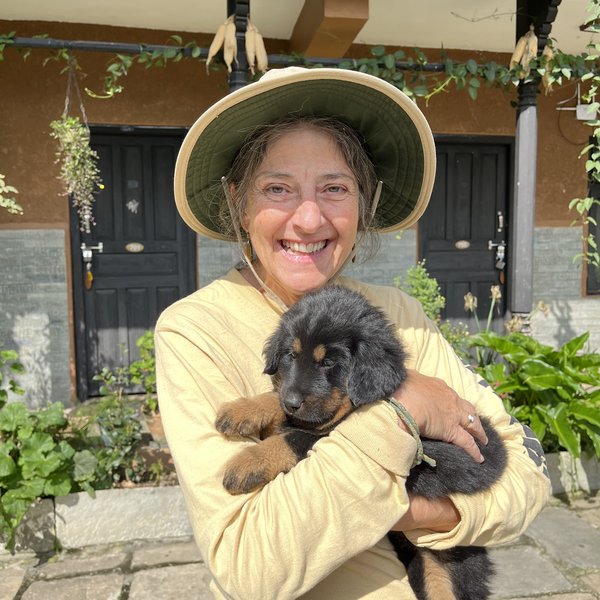
Karen B.
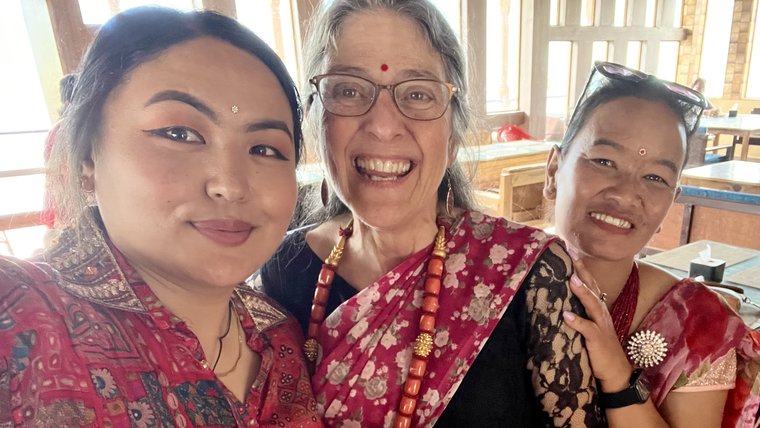
“... what I value most is a student inviting me on an early morning walk to the temple above the village, or a new friend asking me to a special Dashain dinner, or afternoons when I’m invited to sip tea with students and community members."”
1. What got you interested in the Peace Corps, specifically the Response program?
In high school, my brother gave a hitchhiker a ride and ended up bringing him home. The man was hungry, so my mother gladly cooked the hitchhiker breakfast and packed him a lunch. My brother gave him a shirt, and then we all waved to him on his way. This is one example among many illustrating the philosophy I was raised with: give help where it’s needed and do it with a generous heart.
I always highly regarded the Peace Corps and, during college, planned to join. I ended up choosing a different path, yet a few decades later, that desire to volunteer remained strong as ever. A friend told me about the Response program, which seemed perfect; I was attracted to the shorter time frame that allowed me to return to responsibilities at home after one year. Directly applying skills from my professional life in the Volunteer opportunity was also appealing.
2. What projects are you working on with your community?
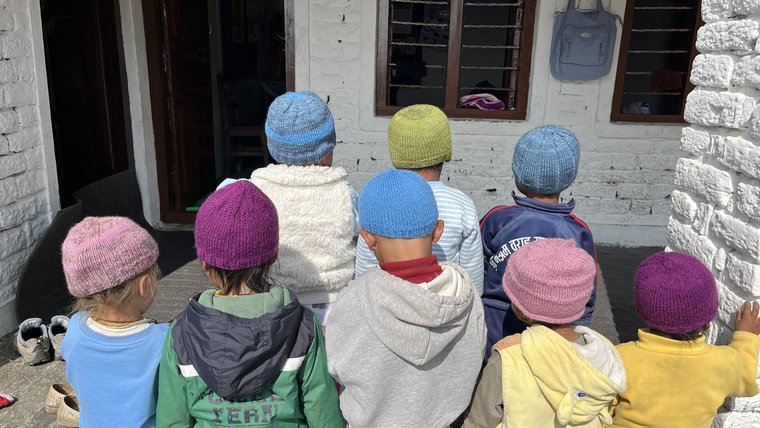
Immediately, I started teaching English classes to hotel and homestay owners and any interested community members. I also assist the teacher at the childcare center, helping the children with language acquisition through play; I just secured a SPA grant to purchase learning and play materials, and I knitted several hats for some children who didn’t have any for the upcoming cold months.
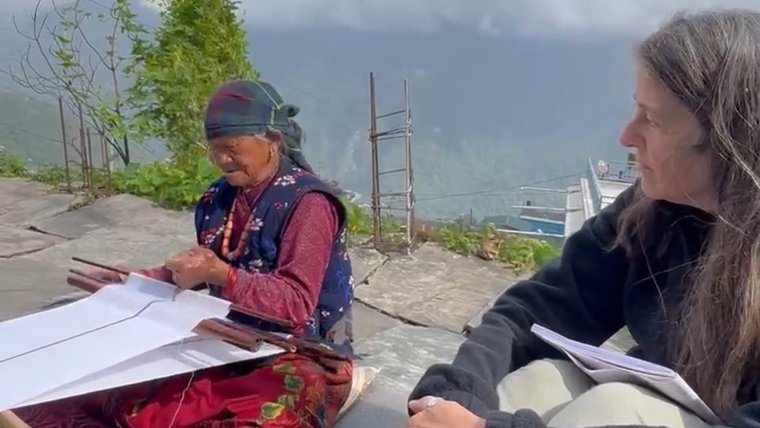
I am writing a series of articles about handicraft artisans, specifically weavers and spinners, to appear in three publications. It’s been incredibly rewarding to spend time with the artisans and learn about them, their history in the community, and their craft. I’ve written one article already focusing on my community, but I’m also collaborating with two other Tourism Volunteers to feature artisans in their communities as well. We hope these four articles over the next several months will be positive, global promotion for our communities, but also reminders of the value of this cultural heritage, especially to younger community members. Heritage can play a vital role in sustainable tourism.
Finally, at a student’s suggestion I will host a Christmas party for the community, which I’m really excited about.
3. How have you leveraged your previous professional experience and skills in your service?
My career has been in two parts: teaching and publishing. As an EFL/ESL teacher, it was easy to jump right in and begin teaching English classes.
I also spent nearly two decades in publishing. For several years I was associate publisher of a small, independent press, working and traveling with indigenous artisans throughout the world to tell their stories of traditional handicraft. I created a lot of promotional materials related to our books that also featured indigenous artisan organizations we partnered with for outreach. I’m thrilled that I get to continue this work in Nepal by writing articles to promote the skills of the artisans in my community and to share their cultural traditions with the world. I’m also helping to create a promotional tourist brochure for the community.
4. What is a highlight of your time in service so far?
What I’ve loved so far is the way I’ve been able to integrate with my community. People here are incredibly welcoming, joyful, generous with their time and energy, and include me in so many of their activities. From the beginning, I’ve felt comfortable and at home and have gotten to know so many people. In my first few months, I attended several celebrations, including a birthday, a retirement, and a wedding. But what I value most is a student inviting me on an early morning walk to the temple above the village, or a new friend asking me to a special Dashain dinner, or afternoons when I’m invited to sip tea with students and community members.
5. What strategies have you used to meet the challenges of a Response Volunteer experience?
Resilience. Early on, I learned a valuable lesson from watching an Argiope spider build a huge, complicated web in front of my bathroom door. I accidentally, and repeatedly, destroyed parts of it and once, in frustration, swept the whole thing away. The spider kept repairing and rebuilding, though, despite her unforgiving environment. “Persist,” the spider seemed to advise, as she continued spinning that giant glittering web. So, I have.
I also say, “Yes,” to as much as I can. Even if it seems like something I may not enjoy or am unsure about, agreeing to full participation has opened me up to fabulous experiences and to meeting many people. Integrating in this way has taught me so much about the personality and history of my community as well as culture and language. It’s also helped me to discover projects I can be involved with—which often means a lot of fun!
6. How will the skills you are developing help you in the future?
I try to be mindful, focusing on the present, the work I’m doing now, and the magnificence of the people and place that surround me. In a practical sense, I’ve gained valuable experience teaching English to non-literate adults, which I’ll apply to my teaching work when I return home. In a larger sense, I’ve learned a deeper resilience and flexibility than I’ve ever known before. I’m reminded of how significant simplicity is and enjoy the mindfulness it encourages. I will carry all of that into my future.