 An official website of the United States government



Featured Volunteer Profile
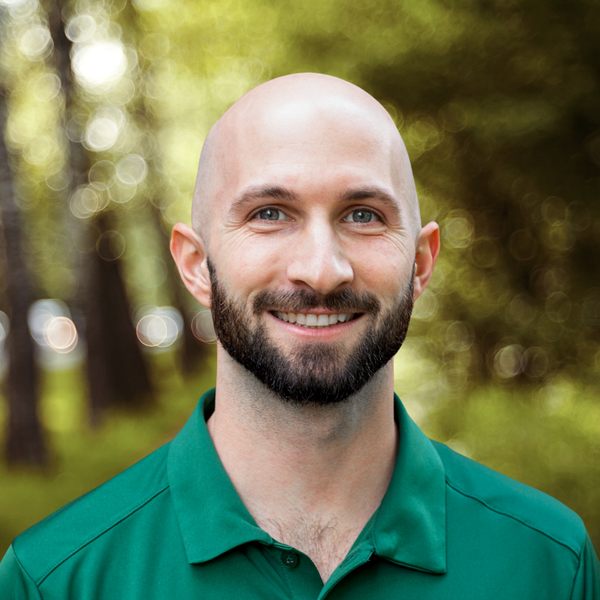
Joel M.
“In many ways, this Response role feels like the culmination of my earlier service, my academic research, and my professional skills all coming together in one place.”
1. What got you interested in the Peace Corps?
I was first drawn to the Peace Corps Response program because it offered a unique way to apply my skills in a targeted, high-impact role while still maintaining the spirit of service that originally brought me to Peace Corps. Having previously served as a two-year Volunteer in Jamaica, I knew firsthand how rewarding and challenging the experience could be. The Response program stood out because it allows me to work directly on specialized projects, build on my prior experience, and address community needs more quickly due to the shorter service period. I also appreciated that the program focuses on collaborating with established local organizations, which means I could step into a role where my contributions could have an immediate effect. In many ways, it felt like a natural next step in my Peace Corps journey. I am thankful that I can return to a place I care deeply about, but this time with more expertise and a sharper focus.
2. What projects are you working on with your community?
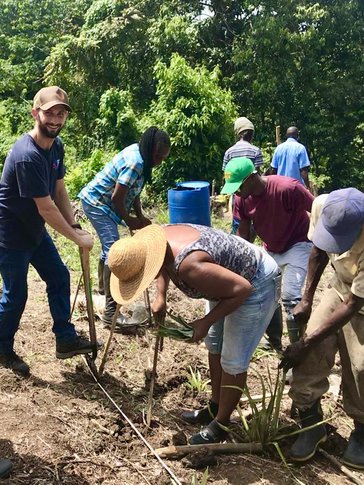
As a Peace Corps Response Volunteer, I’m working with the Rural Agricultural Development Authority (RADA) in Jamaica, supporting project development and Peace Corps Volunteer collaboration. My role is based at a RADA parish office, where we identified several areas where I can add value across programs and communities. A major focus of my work is project support, which includes a hurricane recovery voucher program and a solar power cold storage project. I also support targeted trainings on business and marketing for RADA extension officers and farmers’ groups, as needed, with the goal of improving market access and income opportunities. In addition, I work to strengthen coordination between RADA and two-year Peace Corps Volunteers by organizing regular check-ins, facilitating joint projects, and encouraging more consistent collaboration. Overall, my position allows me to help align efforts to support resilient agricultural livelihoods.
3. How have you leveraged your previous professional experience in your service?
This role has allowed me to bring together almost every professional and academic experience I’ve had over the past decade. My first Peace Corps service in Jamaica gave me a deep understanding of the local culture, agricultural practices, and community development approaches that work well here. Later, during my master’s program, I focused my thesis on the challenges and opportunities in Jamaican agriculture, which now directly informs the work I do with RADA. My background in project management, community engagement, and grant writing also comes into play daily. Drafting proposals for infrastructure projects, facilitating trainings, or coordinating between multiple stakeholders are examples of this. In many ways, this Response role feels like the culmination of my earlier service, my academic research, and my professional skills all coming together in one place.
4. What is a highlight of your time in service so far?
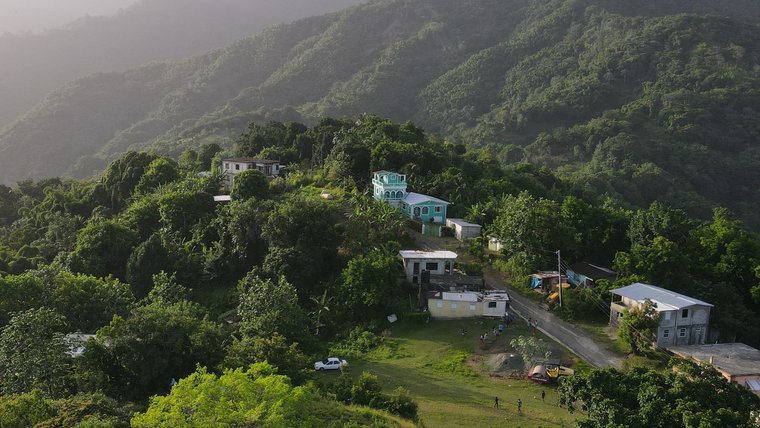
The biggest highlight so far has been returning to Jamaica after 5 years and reconnecting with people who shaped my first Peace Corps experience. I warmly welcomed back by Peace Corps staff, and it has been amazing to connect with former colleagues and community members. It’s also been exciting to explore a completely different part of the island than where I served before. I’ve enjoyed being back in a place where fresh fruit is abundant, the food is flavorful, and the culture is vibrant.
5. What strategies have you used to meet the challenges of a Response Volunteer experience?
Serving as a Peace Corps Response Volunteer comes with its own set of challenges. Unlike the two-year role, where you have more time to slowly integrate into a rural community, the Response position often places you in a more urban or organizational setting and with a shorter time period. My current site is based in RADA’s parish office in a shopping town. I have found that it takes more intentional effort to build relationships and establish trust. With only a year of service, I’ve had to “hit the ground running,” prioritizing key partnerships and projects right away. One advantage I have is my previous experience in Jamaica, which means I already understand the cultural context and have a network I can draw upon. I’ve also relied heavily on clear communication, active listening, and making the most of every opportunity to connect with people.
6. How will the skills you are developing help you in the future?
This role is helping me refine a number of skills that will serve me well in my career. I’m building stronger abilities in stakeholder coordination, especially in bridging the gap between local organizations and international programs. My work in grant writing and project development is giving me more experience in securing funding and designing initiatives that can have long-term impact. I’m also sharpening my training and facilitation skills, learning how to adapt content for different audiences. On top of that, navigating the pace and scope of a one-year assignment has strengthened my ability to quickly assess needs, prioritize actions, and deliver results under tight timelines. These skills align perfectly with my goal of working in international development, particularly in agriculture and rural livelihoods, where adaptability and cross-cultural collaboration are essential.
Learn more about serving as a Peace Corps Volunteer in Jamaica.



