 An official website of the United States government




Featured Volunteer Profile
Jane S.
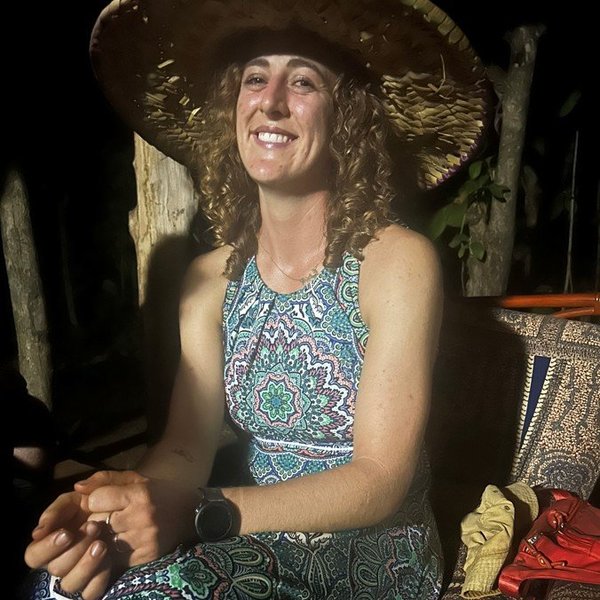
“A highlight of my service was participating in traditional dances called 'kamau' during my first January in my community. It was a very cool experience to directly participate in a tradition that most people only read about or learn about in museums.”
1. What got you interested in the Peace Corps?
I’ve always had an interest in sustainable development at an international level, specifically in the agricultural and environmental sectors. Peace Corps seemed like a great opportunity to begin exploring this career path as it offers a unique opportunity to live and work in an area you may never reach otherwise. I found the Peace Corps’ approach to development well thought out, and I was attracted to the idea of integrating into the community you are serving to ensure your work truly meets the needs and interests of the demographic you are aiming to serve. Additionally, I love traveling and experiencing new cultures and environments, and the Peace Corps offers this on a whole new level. I also aspire to leave a positive impact on every place I visit.
2. What projects are you working on?
My focus has been improving post-harvest management and crop conservation in my community. An alarmingly large portion of people’s crops are lost to pests and spoilage after harvest. We have experimented with canning tomatoes, drying mangoes, transforming soybeans into protein-rich snacks, and drying and milling yams into flour. My main project has been creating a cooperative that transforms the yams abundant in my area into flour that can be prepared into fufu (pounded yam) at any time of the year. I have also worked with farmers in my community experimenting with organic fertilizers and techniques to improve soil health and fertility.
3. What strategies have you used to integrate into your community?
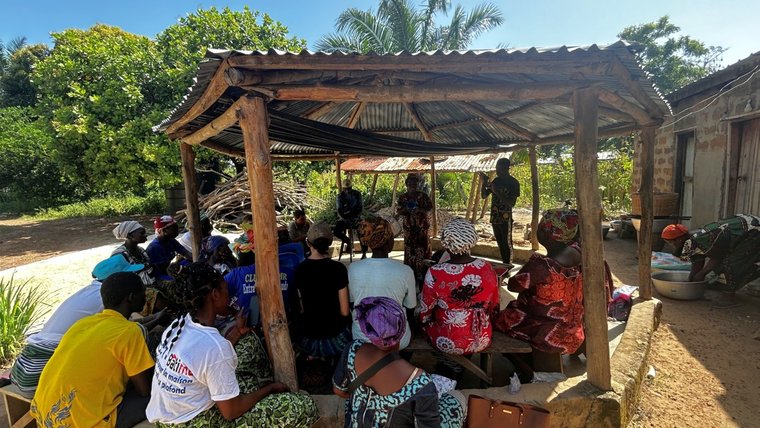
While there were many language barriers at first, I found sharing experiences with fellow community members has been the most powerful form of integration. I enjoy participating in local holidays and traditions, working in the fields alongside the farmers, sitting and talking to people at local markets, and playing soccer with various soccer clubs in my community. Togo is extremely diverse, and there are many languages spoken throughout the country. I have tried to learn and practice several local languages, which has greatly helped me in my integration and has allowed me to befriend people who cannot speak French or English. Although I often sound silly struggling to form sentences in local languages and pronounce words correctly, I know that my efforts are greatly appreciated in my community.
4. What is a highlight of your time in service so far?
A highlight of my service was participating in traditional dances called “kamau” during my first January in my community. It was a very cool experience to directly participate in a tradition that most people only read about or learn about in museums. This also marked a turning point in my service where I began to grow more comfortable in my community and began actively participating in community activities rather than feeling like a bystander and silent observer. I stopped worrying about looking silly or attracting attention as a foreigner, and this allowed me to open up to my community and really start to become part of the community.
5. What have you enjoyed most about the community where you are serving?
I really enjoy how diverse my community is. I have friends from different ethnic groups who speak different languages and practice different religions. This has allowed me to experience multiple cultures during my service. It has made me more open minded, and I feel it is a good representation of Togo’s diversity and complexity despite being a small country. I feel that the diversity in my community has also made people more open to me and my strange habits. People have been surprisingly accepting and supportive of my habits and actions even if it sometimes challenges their own societal norms and expectations.
6. What are some of the most important things you’ve learned from your community?
I have learned the importance of community to increase resiliency and strengthen capacity building. The community I have experienced here is much more tight-knit and interconnected than my community at home. While this can provide some challenges, such as lack of privacy, it also makes you feel more supported, and people are constantly looking after your safety and well-being. A more community-oriented environment makes people more aware of each other, and generosity is a must as everyone shares resources and helps one another with their work and in times of need. As a result, I have learned that human resources are often more valuable than material or financial resources and perhaps should be more highly valued in our own society.
7. How do you spend time when not working on a project?
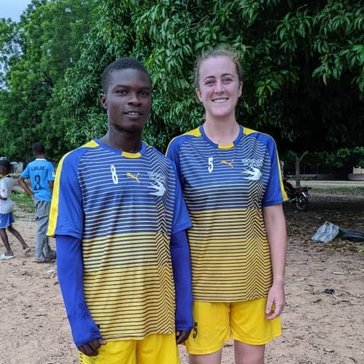
When I am not working on a project, I am often playing soccer with my friends or coaching the girls’ soccer club we started in 2024. I enjoy sitting and visiting with people in town, often practicing my local language skills. I spend time with my neighbors and sometimes help the kids with their homework and English lessons. I also enjoy reading, listening to music, and working out when I need time for myself.
8. What are you looking forward to in your remaining time as a Volunteer?
I am looking forward to spending time with the friends I have made in my community. While it took time, I now feel comfortable in my community, and I look forward to participating in community activities more as a fellow community member than a “foreigner.” I also look forward to extending my service in Togo for a third year, working for a local NGO in another region of the country. This will allow me to experience more of Togo and to continue developing my language, technical, and social skills during my service.
9. What will you do differently when you return to the U.S.?
After service, I hope to invest more time in my relationships at home: checking in with friends and family, as well as being open to meeting new people and forming new relationships. I already know I will miss the close-knit community I have in Togo, so I plan to find my own forms of community wherever I end up. I also want to challenge myself to slow down and enjoy the little things more often. In the U.S., we often prioritize our work and efficiency over everything. While I still hope to be hardworking and productive, I also want to take the time to enjoy the little moments and spend more time with loved ones.
Learn more about serving as a Peace Corps Volunteer in Togo.



