 An official website of the United States government


Featured Volunteer Profile
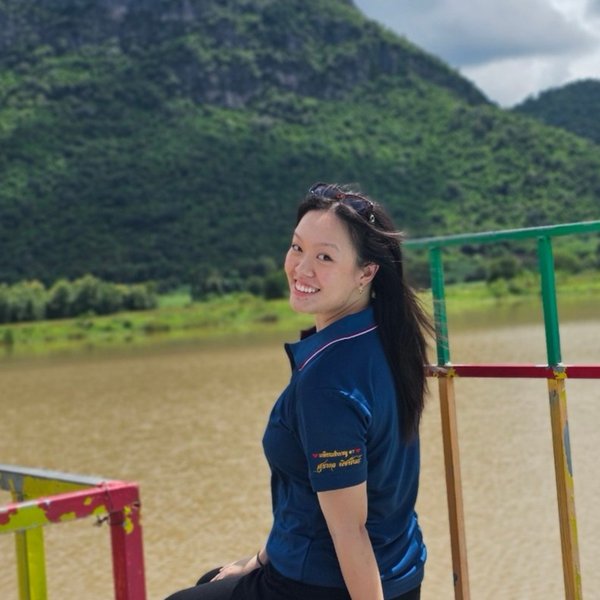
Giselle W.
“The biggest highlight has been the growth I’ve seen in my students, not only in their ability to pick up the language and understand when I speak in English, but also in their confidence to try to speak with me or guess answers even if they are incorrect.”
1. What got you interested in the Peace Corps?
I have always had an interest in working abroad. Having had the chance to study abroad in Geneva as an undergrad, I was fortunate enough to receive an internship with the International Organization for Migration, a UN agency headquartered there. This experience piqued my curiosity in the operations of an international organization at the upper levels and at the more grassroots levels as well. Some colleagues at the time encouraged me to join the Peace Corps to pursue this interest, as Volunteers live and work with communities abroad. I have gained respect for the importance of cultural differences when working in an international environment.
2. What projects are you working on?
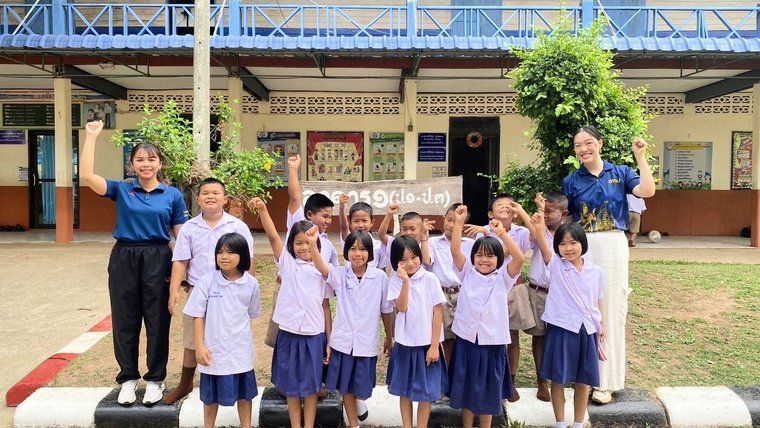
My primary project is to support my Thai co-teachers in an English classroom setting. As part of the TESS (Teacher Empowerment for Student Success) program, I offer a new perspective on long-term teaching goals as well as classroom management techniques to increase student learning and motivation in the classroom.
On a weekly basis, this looks like weekly lesson planning and conversation with my Thai counterparts, and spending time with students both in and out of the classroom to establish trust. Students who don’t pick things up quickly in the classroom are often least confident in themselves and avoid participating. By engaging with them purposefully, I encourage them to increase their efforts in learning, and show them that trying has great benefits in the long run.
3. What strategies have you used to integrate into your community?
The easiest way to connect with community members is to say yes to most things (within reason!). Upon arriving at my new community, I was eager to meet as many people as possible both in and out of school, so I started attending dance rehearsals with the older ladies in the community in preparation for Thailand’s biggest holiday, Songkran. This allowed me to not only make friends with other adults in the community, but also meet their grandchildren—my future students—ahead of time. Having established these connections, I now always have a friendly face to greet whenever I attend any community events, and people to watch out for me or offer help when needed.
4. What is a highlight of your time in service so far?
The biggest highlight has been the growth I’ve seen in my students, not only in their ability to pick up the language and understand when I speak in English, but also in their confidence to try to speak with me or guess answers even if they are incorrect. A year into service, my students are less afraid to approach me with questions, and less hesitant to try in class even if they are unsure of themselves. Their desire to learn and be validated in their efforts has been rewarding for them and me as their teacher. Positive reinforcement has great impact when implemented consistently over time.
5. What have you enjoyed most about the community where you are serving?
I am fortunate to have been placed in a community where many events and festivals are held throughout the year. This has allowed me to continue to meet people I don’t typically see at school, as well as continue to learn about new traditions and practices that one would not typically see in a city or more urban setting in Thailand. Participating in events such as Songkran, where water fights are in abundance for days, as well as the regional rocket festivals, to call on a good rainy season and bountiful rice harvest, has been an entertaining and eye-opening experience into how Thai people enjoy themselves and spend time with each other.
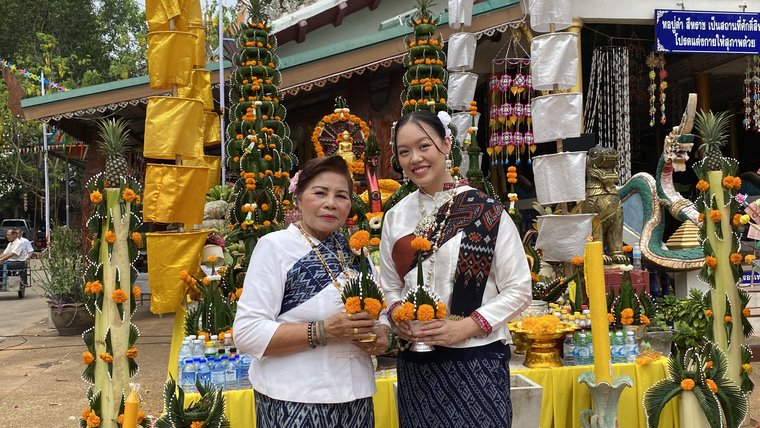
6. What are some of the most important things you’ve learned from your community?
I have learned that when something does not go as planned, it is okay to move forward with the change and adapt to it quickly. Planning for events here in Thailand can be ever-changing and sometimes a bit chaotic. I have come to embrace this aspect of Thai culture and have become more flexible in my expectations. Learning patience has allowed me to give myself grace in situations that are not always in my control, and appreciate the time given for me to spend it with people I am grateful for.
7. How do you spend time when you are not working on a project?
On the weekends, I often find myself doing self-care activities, including journaling, reading, and calling friends and family who are back in the U.S. When it is not too hot or raining, I bike to a local lake to walk around, sometimes meeting my students or other community members there. Additionally, I like to spend time with my younger host sister, chatting with her about Thai media and celebrities, or doing crafts.
8. What are you looking forward to in your remaining time as a Volunteer?
This year, I and several other Volunteers are planning several camps for schools in our different communities. I am looking forward to visiting fellow Volunteers, experiencing their daily lives, and meeting the people they have connected with, as well as inviting them to experience some of my life in my community. As the only American in my area, I am excited for the chance to introduce new faces to my students, and show them how multifaceted Americans are.
9. Once you finish service, what will you do differently when you return to the U.S.?
Upon finishing service, I will leave with a greater understanding of the differences between grassroots level work versus operating at a higher level in a more remote environment. The differences in how life and work are viewed, as well as what is important to prioritize in situations are the key challenges in tackling issues in an intercultural context. I am hopeful that my newly gained perspective, along with my flexibility and adaptability, will help me in my future work as I continue to move forward in this increasingly interconnected world.
Want to learn more about serving in Thailand? Connect with a recruiter today.



