 An official website of the United States government


Featured Volunteer Profile
Angel G.
“This experience has taught me to think deeply about the cultural, religious, and social factors that shape people’s behaviors and choices instead of making quick judgments.”
1. What got you interested in the Peace Corps?
I have been interested in the Peace Corps since high school because I have always admired its mission of service and global connection. I love the organization’s focus on cultural exchange and how it emphasizes learning from and working alongside local communities. When I began looking for post-graduate experiences, the Peace Corps was at the forefront of my mind as a meaningful way to make a positive impact while continuing to grow personally and professionally. I am especially drawn to the opportunity to live and work in another culture, building relationships through collaboration and mutual understanding.
2. What projects are you working on?
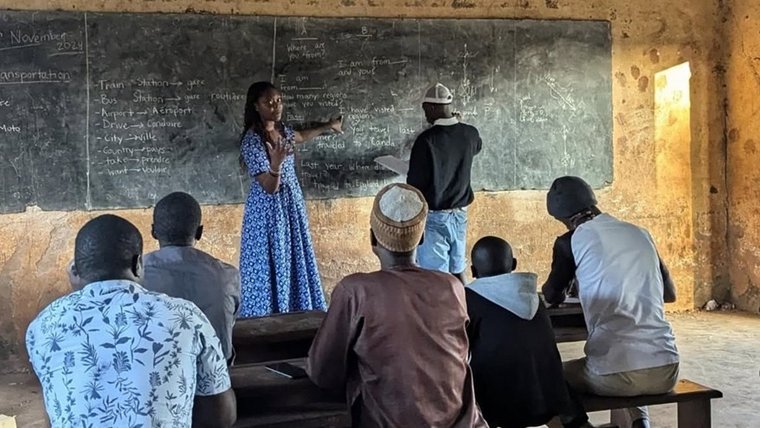
Outside of my regular teaching responsibilities at the high school, I facilitate a girls’ club that focuses on leadership development and empowerment. I also help organize and run an after-school tutoring program to provide extra academic support for students who need it. Both of these activities allow me to connect with students on a more personal level and help them reach their goals. In addition to these ongoing projects, I am currently working on a grant proposal to fund the creation of a computer lab at my school. This project is especially exciting because it will greatly improve students’ access to technology and enhance their learning opportunities.
3. What strategies have you used to integrate into your community?
The biggest way I’ve worked to integrate into my community is simply by being present and showing genuine interest in the people around me. I make an effort to attend community events such as weddings, baptisms, and graduation parties whenever I’m invited. Participating in these gatherings helps me build relationships and understand the cultural values that are most important to the community. Even small gestures, like showing up for a short time, demonstrate respect and appreciation for local traditions. Through these experiences, I’ve learned that consistent presence and engagement are key to building trust and meaningful connections.
4. What is a highlight of your time in service so far?
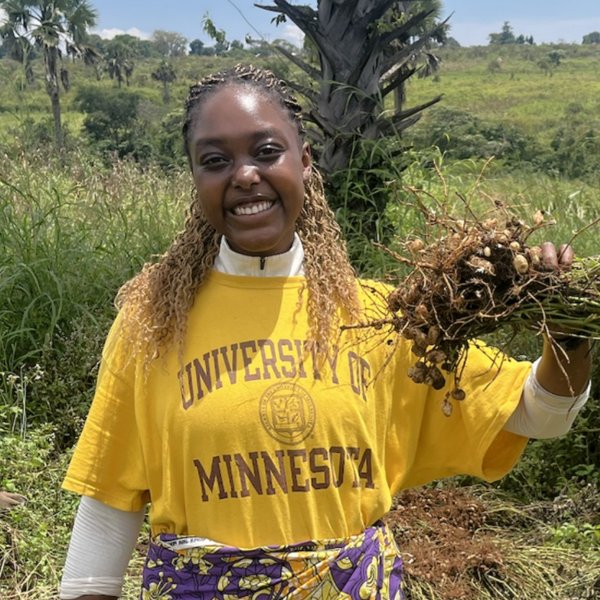
A highlight of my service so far has been spending time working on community members’ farms during the summer break. It was an incredible hands-on experience that allowed me to learn directly from local farmers and understand more about the agricultural practices that sustain the community. Through this work, I built stronger relationships with community members and gained a deeper appreciation for their hard work and resourcefulness. It was also a great way for me to immerse myself in daily life and contribute in a meaningful, practical way. As a result, I’ve developed lifelong agricultural skills that I can continue to use and share in the future.
5. What have you enjoyed most about the community where you are serving?
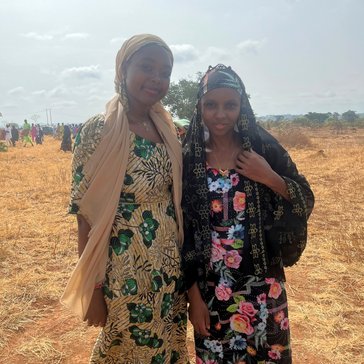
What I’ve enjoyed most about the community I serve is the opportunity to learn about and experience a culture that is deeply rooted in faith and tradition. My community is mostly Muslim, and I’ve learned so much about Islam through daily interactions and participation in religious and cultural events. It’s been fascinating to see how religion shapes local customs, values, and community life in such meaningful ways. These experiences have helped me gain a deeper understanding and appreciation for a different way of life. Overall, I’ve really enjoyed how open and welcoming community members have been in sharing their beliefs and traditions with me.
6. What are some of the most important things you’ve learned from your community?
One of the most important lessons I’ve learned from my community is that family is so much more than just blood relations. So many people here have welcomed me with open arms and treated me like one of their own, which has taught me the true meaning of community and belonging. I’ve also learned to appreciate the stillness and slower pace of life. In America, life often feels fast and busy, but my community has shown me that calm and simplicity can be just as meaningful and productive.
7. How do you spend time when you are not working on a project?
Outside of work, I enjoy spending quality time with members of my community. I often join friends and neighbors for shared meals, which are always a great opportunity to connect and exchange stories. These moments help me strengthen relationships and learn more about local traditions and daily life. One of my favorite pastimes is crocheting with my next-door neighbor. In addition to crafting, my neighbor has taught me a deep appreciation for Cameroonian cooking, and I spend a lot of time learning how to make different meals from her.
8. What are you looking forward to in your remaining time as a Volunteer?
In my remaining time as a Volunteer, I’m really looking forward to completing my grant project for the computer lab. I’m excited to leave my community with something tangible and sustainable that will continue to benefit students long after my service ends. This project represents not only improved access to technology but also the collaboration and hard work of everyone involved. I’m also looking forward to participating in upcoming community celebrations, such as Ramadan, Eid, and Youth Day. Having spent more time in the community, I feel I can now take part in these events as a more informed and connected participant, which makes the experience even more meaningful.
9. Once you finish service, what will you do differently when you return to the U.S.?
Once I finish my service and return to the U.S., I think I will approach life with much more cultural empathy and understanding. This experience has taught me to think deeply about the cultural, religious, and social factors that shape people’s behaviors and choices instead of making quick judgments. I’ve learned to be more open-minded and reflective, which I know will influence how I interact with others in both personal and professional settings.
Learn more about serving as a Peace Corps Volunteer in Cameroon.



