 An official website of the United States government




Featured Volunteer Profile
Abbigale H.
“Guyanese can be so giving that you just want to give as well. That is the case in my village; I can walk down the road and people will give me watermelon, eggs, coconut water, and more.”
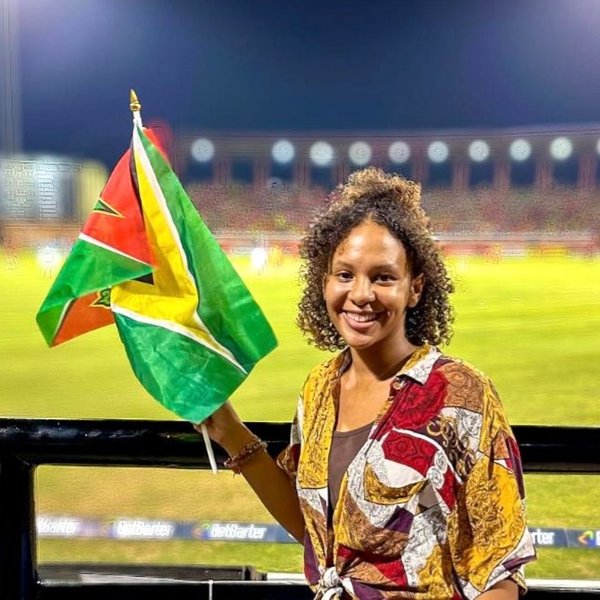
1. What got you interested in the Peace Corps?
My interest in the Peace Corps began in high school when I heard about the relative of a friend joining. But it wasn't until college, while getting my social work degree, that I seriously considered it for myself. I realized my passion for intercultural learning, and that international social work could be a calling for me. The Peace Corps seemed like the perfect way to explore that interest. I figured if I could handle working through community challenges in a completely different culture, I'd know I was on the right track.
2. What projects are you working on?
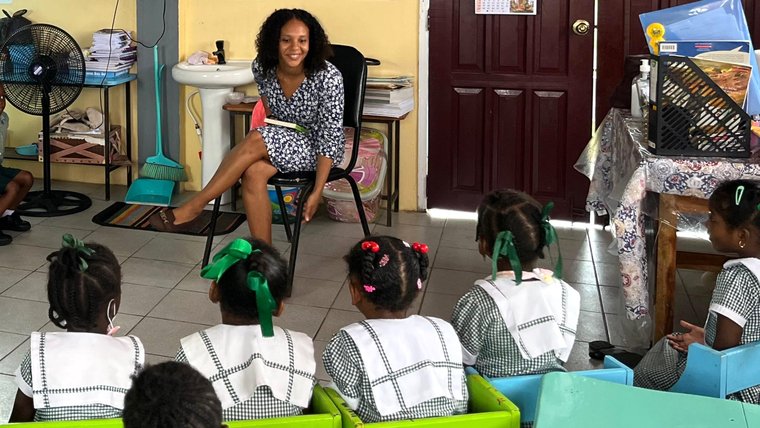
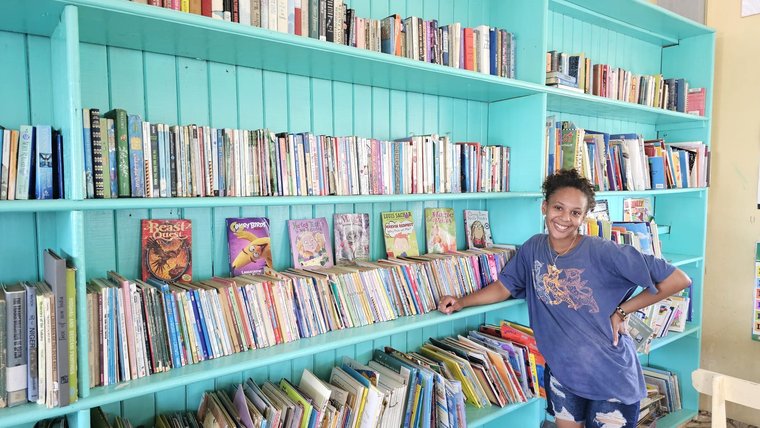
Most of my work has focused on education—helping students struggling with literacy and running library programs like book clubs and reading challenges. I’ve also helped other schools start their own small libraries. Right now, I am helping 4 schools get their libraries set up and organized. I have also started an independent reading challenge where students submit summaries of the books they are reading and at the end of the term, they get a prize based on the number of summaries turned in. The students are really excited, and I was very surprised at how many signed up to participate.
3. What strategies have you used to integrate into your community?
Adjusting to life in Guyana came surprisingly easily. My community was incredibly welcoming, and it made me feel safe and comfortable to participate in local events and activities. Being open to learn and experience goes a long way in Guyana, from grating coconuts to make fresh coconut milk, to helping make curry, to participating in the teachers’ race in school sports; you integrate in no time by putting yourself out there.
4. What is a highlight of your time in service so far?
One of the biggest rewards has been seeing my former students come back just to check out books at the school library. Early in my service, I set up a schedule for each grade to visit the library once a week to read and check out books. Not many schools in the area were doing that so when my students moved to secondary (high) school (where they currently don’t have access to books) they stop by when they can to check out books.
5. What have you enjoyed most about the community where you are serving?
My community is a beautiful blend of races and religions, allowing me to see the different cultures in Guyana. I’ve participated in Hindu traditions like Phagwah and flag-tying, attended Christmas parties and conventions, and ate sirnee (sweet dish) as part of the Eid Islamic festival feast.
6. What are some of the most important things you’ve learned from your community?
My community has taught me to be more welcoming. Caribbean culture is big on greeting each person you pass on the street. When I first arrived here I was reserved because I was in a new, unfamiliar country. I didn’t know that people greet each other and talk like they are good friends, even if it’s their first time meeting. Since then, I have become more outgoing in my village and even in my region, having wonderful conversations with people in shared taxis on the way to my destination. When you are friendly, people will remember you and will look out for you. I have also become more generous. Guyanese can be so giving that you just want to give as well. That is the case in my village; I can walk down the road and people will give me watermelon, eggs, coconut water, and more.
7. How do you spend time when you are not working on a project?
Saturdays start with doing laundry and going to the market. Sundays I go to church and have lunch with a close friend who's become like family. Some Sundays I accompany my head teacher and her family to the horse races. Every evening, I walk my dog Sassy through the village, which has become a nice way to connect with neighbors. Normally a few children in my village will tag along. Outside of that, I occasionally meet up with other Volunteers or stay at home for the weekend and bake myself some sweet treats and delicious meals.
8. What are you looking forward to in your remaining time as a Volunteer?
I plan on finishing projects and making sure the school library schedule and benab (outdoor classroom space) will continue after I'm gone. I also plan to support the regional education office to implement literacy initiatives across the region. While leaving will be hard, I know the community will keep moving forward.
9. Once you finish service, what will you do differently when you return to the U.S.?
When I eventually return home, I'll take with me a more relaxed approach to life and the willingness to say "yes" to new experiences. Before coming here, I sometimes held back from opportunities to connect with others. Now I understand how much those connections matter.
Learn more about serving as a Peace Corps Volunteer in Guyana.



