 An official website of the United States government


Featured Participant Profile
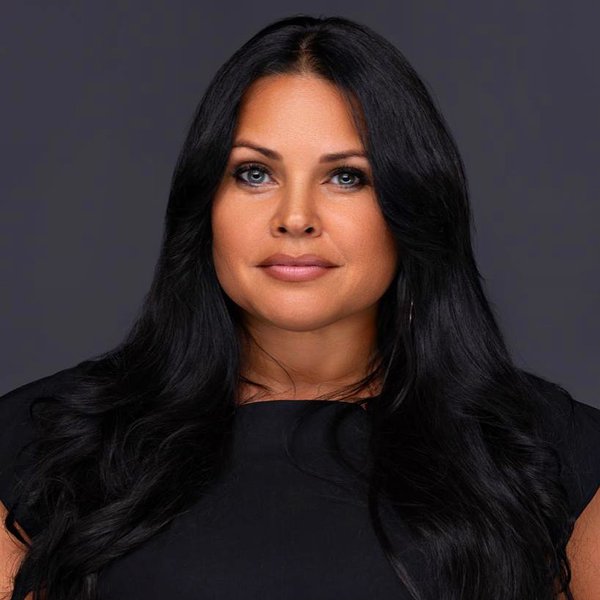
Amarilis C.
“The Virtual Service Pilot afforded me the ability to continue paying it forward while still being able to work and keep my commitments here at home.”
1. What got you interested in the Peace Corps, specifically the VSP program?
I enjoyed my experience as a Peace Corps Volunteer in Madagascar. It was very transformative for me and changed my perspective on the world and what was important to me. When another opportunity to engage with the Peace Corps emerged, I jumped at it. As life unfolds, I’ve found it becomes more difficult to leave everything and volunteer in another country. The Virtual Service Pilot afforded me the ability to continue paying it forward while still being able to work and keep my commitments here at home.
2. What projects are you working on?
I am currently working with a tourism group in Guatemala that is led by a group of five female small business owners who aim to expand their brand and grow their client base. Their businesses span various industries, including chocolate making, tour guiding, and weaving classes. I am collaborating with Linda, an on-site Peace Corps Volunteer, to teach a class on entrepreneurship and leadership. Our goal is to support the women as they expand their marketing efforts and ultimately enhance their overall presence and offerings. Together, we work to identify new market opportunities, form partnerships with other tourism-related businesses, and improve the group’s online presence so that they can attract tourists before they arrive in Guatemala.
3. What is a highlight of your VSP experience so far?
The highlight of my experience has been the friends I have made through my engagement. I fell in love with my first assignment in Madagascar and decided I wanted to stay onboard to work with other groups. When the opportunity to work with a tourism group came up, I jumped at the opportunity given I am the owner of a travel agency that focuses on culturally immersive experiences. It just made sense. I think the time spent together created a bond between myself and some of the ladies. While we may have different trials and tribulations, learning about each other, our families, and our dreams helps us better understand one another. Understanding someone else’s culture creates more compassionate humans.
4. What strategies have you used to meet the challenges of a short-term, remote experience?
Working remotely, you have to be more attentive to the day-to-day dynamics of a group and be attuned to any shifts in those dynamics. Those changes are much easier to identify in-person versus over the internet. There is also a presence that comes with being in-person that you have to work harder to achieve online. And finally, virtually you have to take a different approach to win the confidence and trust of those you are working with because you don’t have the benefit of being face to face or part of their community.
To bridge that gap, I made myself available via WhatsApp and told the participants to never hesitate to reach out. This also helped prompt informal conversations about our day-to-day lives, any good news they wanted to share, or other random topics of conversation. Currently partnering with an onsite Volunteer has been tremendously helpful to support on-the-ground needs of our partners. Similarly, Linda’s presence in town has helped to establish trust that would have taken much longer to establish on my own from afar.
5. What benefits are you gaining from your participation?
Much like when I was a Peace Corps Volunteer in Madagascar, every time I engage in a new assignment, I learn something new about myself. Whether it’s a belief I held that I wasn’t aware of or something that reminds me to lean into my intuition a bit more. It feels good to share my knowledge and experience with others who didn’t have the opportunity to further their education. The Peace Corps very much emphasizes the long-term benefits of education over temporary assistance. I have also learned so much about Guatemalan culture during this process – their values, etiquette, and how their lives as Latinas differ from mine as a Latina. People often assume that because we all speak Spanish we are one homogenous group but that couldn’t be further from the truth. Often when I say a word in Spanish, I see my partners’ deer in headlights look and quickly realize that they probably say the same thing in a very different way. The cultural exchange is my favorite part of this learning process.
6. How has your previous Peace Corps and/or professional experience influenced your VSP experience?
My previous Peace Corps and professional experiences led me to this opportunity and have helped me in how I approach this work. My professional expertise gives me the confidence to teach the skills I teach, and I draw on the lessons I learned during my time in Madagascar when I approach this work.
Madagascar taught me to read the room. In Madagascar, my intuition truly came into play, and I had to learn to trust in that considerably more than I previously did in corporate America. I also learned to read between the lines. Often, the words left unspoken or small non-verbal cues tell you way more than the spoken word. I have been able to apply those skills today in business and in my VSP assignments.
7. What do you think you will bring away from your experience as a VSP Participant?
From my experience as a VSP Participant, I’ll take away a continued passion for paying forward what I have been privileged enough to experience and learn. It’s my way of contributing to the world. And I’ll also be walking away from this experience with new friends, new perspectives, and a deep understanding of customs and traditions that are new to me.



