 An official website of the United States government


Returned Volunteer Profile
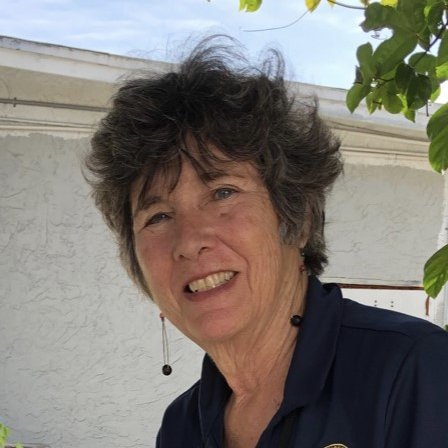
Helene D.
“People who manage to survive on under $3 per day are problem solvers of necessity. They don’t need outsiders to teach them what they need. They often just need the resources to do what they know to do.”
1. What were your primary responsibilities during service?
During my first service in Colombia in the late sixties, I encouraged participation in CARE-sponsored programs in poor neighborhoods.
Three decades later I served in Slovakia, where I strengthened a start-up community foundation.
2. What projects did you collaborate on with your community?
Model United Nations, a “women in development” essay contest, an international food festival in Presov.
3. How did Peace Corps service influence your professional path?
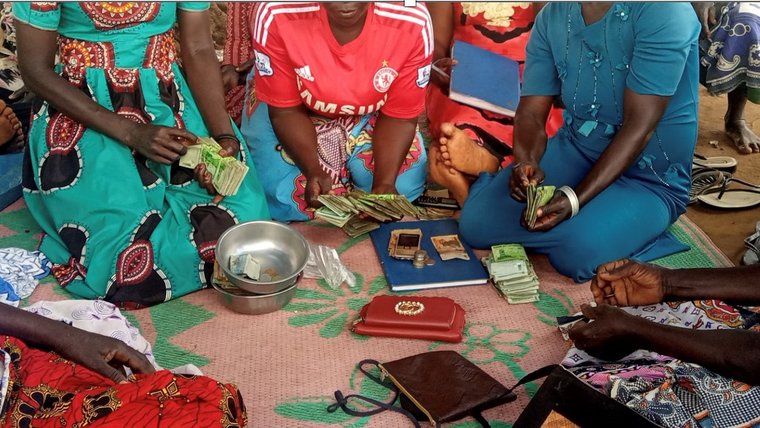
After returning from Slovakia, I applied what I learned working with a grant-making organization and serving on a small grants committee to set up a program in my first Peace Corps country, Colombia, to help people displaced by violence re-establish financial independence. The Colombia Project started in 2000, evolved as the nonprofit organization TCP Global in 2015 and today counts 307 loan sites around the world that supported 9000 loans worth $2.4 million in 2024. The program is managed by Returned Volunteers (RPCVs) working pro-bono, allowing 90% of funds raised to be distributed as micro-loans. I learned everything that goes into this program in my Peace Corps services in Colombia and Slovakia. All 9 members of our board are Returned Volunteers (RPCVs).
4. How do you use skills honed during service in your current job?
In visits to Colombia in the 2000s I frequently noted that I was using skills taught in Peace Corps training back in the late 60s. As president of TCP Global, I am keenly aware of the talent that exists at the grassroots level, and try to be very respectful and trust in local leadership.
5. How have you helped those at home understand the value of Peace Corps service and communities abroad?
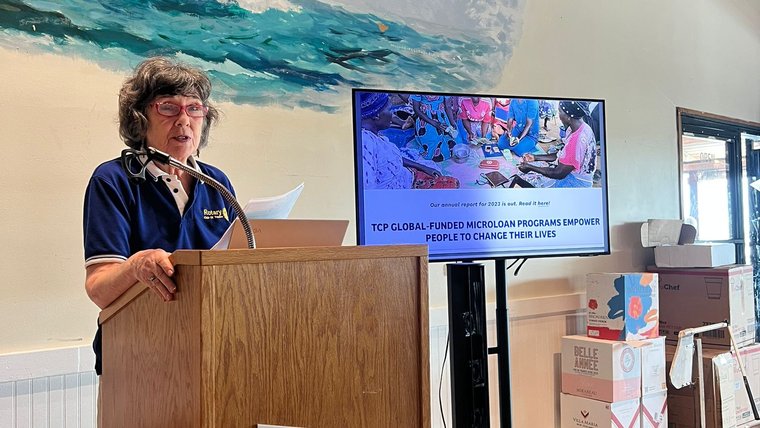
I give presentations at Rotary Clubs to showcase TCP Global's work, and TCP Global's bi-monthly newsletter highlights various aspects of the micro-loan program, showing successes in Uganda, Ecuador, Colombia, Nepal, and Niger. We show what people do to solve problems in their communities once they are freed from abject poverty. People who manage to survive on under $3 per day are problem solvers of necessity. They don’t need outsiders to teach them what they need. They often just need the resources to do what they know to do.
6. What Peace Corps benefits have been useful to you?
Networking with RPCVs is invaluable. We have also tried to expand our micro-loan program through current Peace Corps Volunteers with limited success. RPCVs have introduced TCP Global to multiple successful partners.
7. How have you remained involved with the Peace Corps community following service?
I am past President of Returned Peace Corps Volunteers of South Florida, a member of Friends of Colombia and the National Peace Corps Association (NPCA) and a past board member of the NPCA. I am in frequent contact with host country nationals from Slovakia and stay in touch with my Slovakia group through Facebook. I have visited my Colombia host family multiple times in Barranquilla, and the adorable toddler from my Peace Corps days came to stay with me several years ago. I am also in contact with my host sister from Peace Corps training and visited her mother several times in New York City before she died. My old Peace Corps Colombia boyfriend is coming for a visit next week. I am in frequent contact with 8 people from my Peace Corps Colombia group.
8. What tips do you have for Volunteers just returning from service?
Brace yourself. We expect culture shock when we go abroad but are often unprepared for the shock of being home and finding that we do not quite fit in anymore. Civilians have limited interest in Peace Corps stories. Find a Returned Peace Corps group where people will love to hear your stories and where you will likely find kindred spirits.



