An official website of the United States government

Official websites use .gov
A
.gov website belongs to an official government
organization in the United States.

Secure .gov websites use HTTPS
A
lock (
) or https:// means you’ve safely connected to
the .gov website. Share sensitive information only on official,
secure websites.

Search
Connect with the Peace Corps
If you're ready for something bigger, we have a place where you belong.
Apply to the Peace Corps
The application process begins by selecting a service model and finding an open position.
Let us help you find the right position.
If you are flexible in where you serve for the two-year Peace Corps Volunteer program, our experts can match you with a position and country based on your experience and preferences.
Serve where you’re needed mostYouth Development Facilitator
 Youth in Development
Job highlights
- Learn Thai from skilled Language and Cross-Culture Facilitators.
- Gain technical training and experience implementing youth development programs as well as monitoring and evaluating programs.
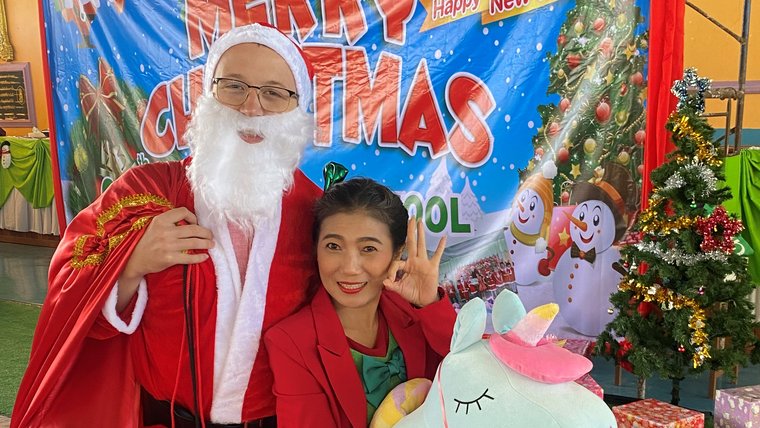
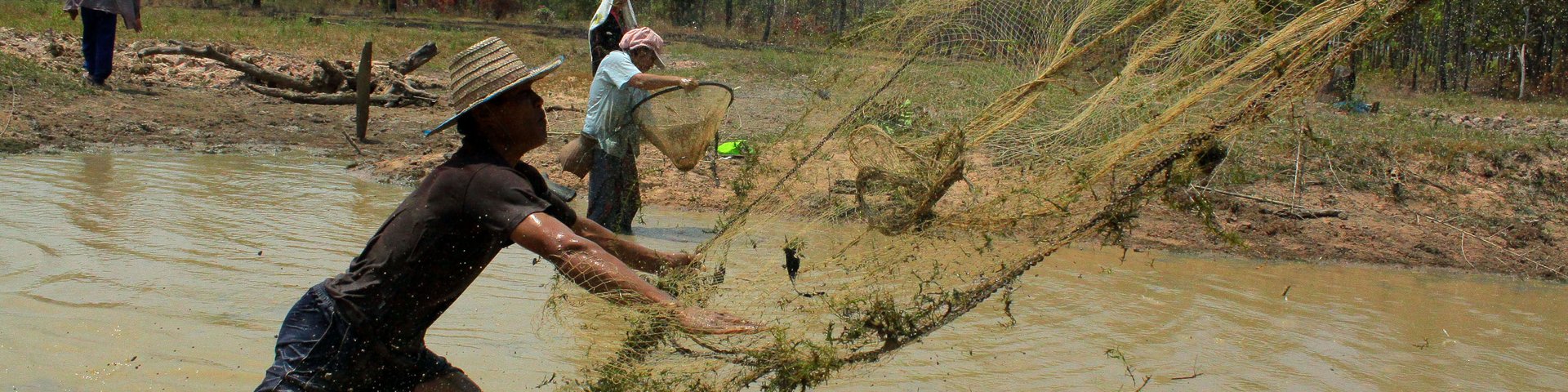
- Experience the beauty of the Thai culture not as a tourist, but as a valued member of the community.
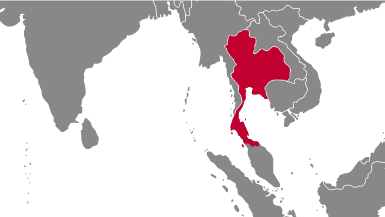
Thailand • Asia
In partnership with: Local government, schools, and youth councils
Applications are now closed. View current openings.
Apply by
June 15, 2026Know by
August 1, 2026Depart on
January 7, 2027Duration
2 years, plus 3 months trainingAbout the project
Do you have a desire to support youth in gaining skills to boost their confidence and ability to succeed in the future? There’s a place for you in Thailand.
Rural communities in Thailand are seeking support to help the youth develop strong leadership and life skills, so they can reach their personal goals and contribute to the development of sustainable communities. This type of support is crucial because youth in rural Thailand lack opportunities for skill-building and extracurricular activities, which are essential for developing confidence, communication, and leadership skills. Local teachers and officials often lack a high level of English proficiency and training in positive youth development principles, partly due to limited resources and conservative worldviews. Additionally, rural schools face staffing shortages and economic disparities compared to Bangkok and other large cities, making it difficult to provide quality education and enrichment programs.
As a Youth Development Facilitator, you will collaborate with local school staff to bridge these educational gaps by introducing innovative, youth-centered projects and fostering collaboration among community stakeholders. Together, you will teach the youth (ages 9-15) conversational English and support youth-oriented activities.
Learn more about what Volunteers do in country by visiting our Thailand project page.
Required skills
Qualified candidates will have one or more of the following criteria:
Bachelor's degree in any field.
Language: There are no pre-requisite language requirements for this position.
Required behavioral competencies
These competencies are essential for all service assignments and are assessed in the application and interview process:
Motivation for and commitment to service
Adaptability and open-mindedness
Problem solving and resourcefulness
Behavioral maturity and professionalism

Photos from Thailand



How you and the community will make an impact together:
Conduct community assessments to determine areas of priority and interest.
Teach conversational English and life skills, such as critical thinking and leadership.
Facilitate extracurricular activities for youth, such as after-school clubs, community service projects, and sports.
Participate in community activities sponsored by the local government office.
You may also work on additional projects that meet the community’s interests and priorities, such as organizing youth camps and engaging with preschool or elderly community members.
Volunteers live with host families in rural parts of the North, Northeast, Central, and South regions. Volunteers must be able to ride a bicycle for at least six miles, often in hot conditions.
Learn more about the living conditions, including detailed information on culture, communications, housing, and health/crime statistics on our Thailand country page. You can also delve into stories about local communities by reading our blog or Volunteer stories.
Meet a Volunteer in Thailand
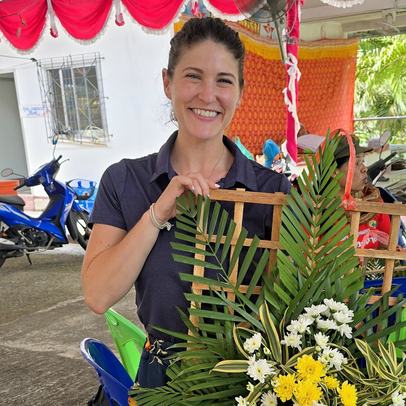
Tal C.
Youth Development Volunteer
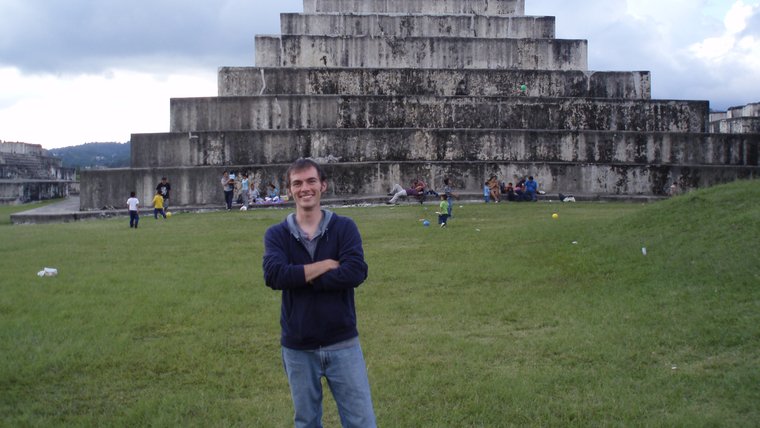
"I really love the opportunity to experience something so unique and meaningful. I feel I get to experience the real Thailand, not the version every expat or short-term tourist thinks is Thailand."
See full Volunteer profile
As a Youth Development Facilitator, you will be trained on the country's curriculum and classroom management best practices. Peace Corps/Thailand will teach you Thai to help you comfortably live in and connect with the community.
After 10 weeks of training, you will move to a rural community where you will collaborate with local government agencies and schools to assess the local needs and develop solutions to support youth in developing strong leadership and life skills.
Heterosexual and same-sex couples are accepted for this program. Each person must apply separately and must qualify for a position in either the same or a different sector than their partner. Couples will live together during training but may separate occasionally for field-based activities. Couples who are selected for the same sector will live together but work with different local partners which may be in the same community or in neighboring communities (not more than 30 minutes apart). Cohabitating couples are highly encouraged to present themselves as married throughout service due to cultural expectations.
To learn more about serving as a couple in Thailand, visit the country page.
Application process
From application to departure takes around nine months. Learn about the application process for Volunteer opportunities.
Medical/legal clearance
You will need to be cleared medically and legally in order to serve in Thailand. Review information on medical clearance and legal clearance to learn about the process.