An official website of the United States government

Official websites use .gov
A
.gov website belongs to an official government
organization in the United States.

Secure .gov websites use HTTPS
A
lock (
) or https:// means you’ve safely connected to
the .gov website. Share sensitive information only on official,
secure websites.

Search
Connect with the Peace Corps
If you're ready for something bigger, we have a place where you belong.
Apply to the Peace Corps
The application process begins by selecting a service model and finding an open position.


Let us help you find the right position.
If you are flexible in where you serve for the two-year Peace Corps Volunteer program, our experts can match you with a position and country based on your experience and preferences.
Serve where you’re needed mostYouth Development Facilitator
 Youth in Development
Job highlights
Applications are now closed. View current openings.
Apply by
January 1, 2026Know by
March 1, 2026Depart on
July 11, 2026Duration
2 years, plus 3 months trainingAbout the project
OVERVIEW OF THE PROJECT:
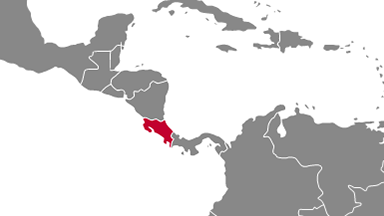
Peace Corps Costa Rica’s Youth in Development Volunteers (hereafter, Volunteers) work with youth ages 10-19, especially those in the second (ages 10-13) and third cycle (ages 13-16) of the Costa Rican education system. The project aims to equip youth to be healthy, productive, and active citizens. In support of this goal, Volunteers will design, implement, and facilitate programming in collaboration with partners (teachers, guidance counselors and administrators, parents, youth leaders, and community leaders) on specific program activities across three project objectives.
PROJECT OBJECTIVES:
• Strengthen Youth Wellbeing:
Working with classes, workshops, clubs, and similar spaces regarding life skills, girl’s empowerment, sports, arts, and/or recreation activities in the school and community.
• Strengthen Opportunities for Youth Community Engagement:
Promoting youth participation in community life by engaging them as leaders and participants of volunteer opportunities, service learning, and awareness activities in schools and communities.
• Strengthen Youth Support Systems:
Promoting positive youth development and fostering a supportive environment for youth with parents and caregivers.
PROJECT FOCUS AND APPROACH:
All assignments strongly focus on preventative activities, empowering youth and furthering their access to activities which promote their healthy development and rights.
Volunteers work in communities identified in collaboration with the Ministry of Public Education which requests to receive a Youth Development Volunteer. The program prioritizes under-resourced communities. Each Volunteer works in one or two public schools and might also support a community -based group serving youth or families.
Volunteers will perform a participatory community assessment of resources and needs during the first months of service. Based on that analysis and partner’s requests, each Volunteer will create a work plan for service in collaboration with school staff and community leaders. Volunteers typically support ongoing youth-oriented programs in schools and the community, bringing new ideas, approaches, and/or techniques to those spaces. Volunteers also support the creation of new youth-oriented prevention programs in the school or community, coordinating with partners to ensure relevance and sustainability. Volunteers must be proactive, self-driven, and motivate others to advance youth development.
EXAMPLES OF CURRENT VOLUNTEER ASSIGNMENTS:
• One of Josie’s projects involves partnering 10 hours a week with the high school counselor to design life skills programming for students. These life skills workshops are co-facilitated during school hours. They tailor the material for different age groups and soon will launch a complementary session for the parents and caregivers. Josie has one student with special needs, prompting her to research best practices to provide customized and sustainable support.
• Daniel’s primary project involves co-facilitating workshops to train high school students on how to mentor elementary students in their secondary school transition. They focus on addressing academic, social, and emotional challenges. Separately, Daniel is also coaching a high school basketball team twice a week, incorporating a curriculum that includes building skills in teamwork, communication, and goal setting. The team is now competing at the regional level.
• Jackson spends most of his time traveling between his primary and secondary school, partnering with teachers to incorporate culturally relevant strategies of Restorative Practices into their school cultures. This is the social science field of promoting positive communication and emotional health for harmony and inclusivity.
Learn more about what Volunteers do in country by visiting our Costa Rica project page.
Required skills
Qualified candidates will have one or more of the following criteria:
Qualified candidates will have one or more of the following criteria:
• Bachelor of Arts/Bachelor of Science degree in any field
OR
• 5 years' professional work experience
Language: Spanish
A. Completed 4 years of high school Spanish coursework in the past 8 years
B. Completed college-level Elementary II Spanish semester (Elementary III in quarter system) within the past 6 years
C. Score between 50-62 on the Spanish College Level Examination Program (CLEP) exam in the past 6 years
D. Score Novice-High or Intermediate-Low on official American Council on the Teaching of Foreign Languages (ACTFL) Oral Proficiency Interview (OPI) in Spanish within the past 6 years
Required behavioral competencies
These competencies are essential for all service assignments and are assessed in the application and interview process:
Motivation for and commitment to service
Adaptability and open-mindedness
Problem solving and resourcefulness
Behavioral maturity and professionalism

Photos from Costa Rica



How you and the community will make an impact together:
HOUSING:
Volunteers are required to live with a host family for at least nine months, including three months during Pre-Service Training (PST) and at least six months in their assigned community. If suitable housing is available, they may request independent living. Volunteers should be prepared for the possibility of living with a host family throughout their service.
Although living with a family brings challenges (less privacy, new diet, noise, etc.), the homestay experience offers rewards like community integration, safety considerations, increased language skills, building trust and friendships, cultural sharing, and a unique understanding of the Costa Rican culture. Applicants must think carefully about the commitment to live and integrate with a Costa Rican host family. They must be willing to follow cultural norms and respect family dynamics.
Peace Corps Staff arrange housing with respected host families in the assigned communities. Staff thoroughly inspect homes prior to approval. Most host-family homes have indoor bathrooms and showers but do not have hot water.
PROFESSIONAL APPEARANCE:
Most Costa Ricans take great pride in being neat, clean, and well-groomed, even on informal occasions. Volunteers should always follow the example of Costa Ricans at their worksites and in their communities (e.g., clean and ironed clothes, polished shoes, and groomed hair). Working with schools, government officials, and other professionals requires that Volunteers consistently demonstrate a professional attitude and appearance. Professional dress in the workplace is business casual and includes knee-length skirts/dresses, pressed pants, khakis, nice jeans, blouses, collared shirts, or short sleeve polos. Flip-flops, sport sandals, shorts, tank tops, t-shirts, crop tops, and other athleisure wear should only be worn in the home, during recreational activities, or at the beach, but never at work. Revealing attire or the lack of proper undergarments is never acceptable for Peace Corps service.
CULTURAL COMPETENCE:
While Peace Corps/Costa Rica welcomes Volunteers of all backgrounds and experiences, the culture and beliefs in some communities may produce stigma and discrimination. Volunteers must be mindful of cultural norms and use their judgment to determine how best to approach differences in Costa Rica. Volunteers with backgrounds and/or beliefs that differ from most of their Costa Rican community may experience curiosity or unwanted attention. Many Volunteers have been able to turn these encounters into learning experiences, to share values, and to deepen community members’ understanding of the U.S.
COMMUNITY:
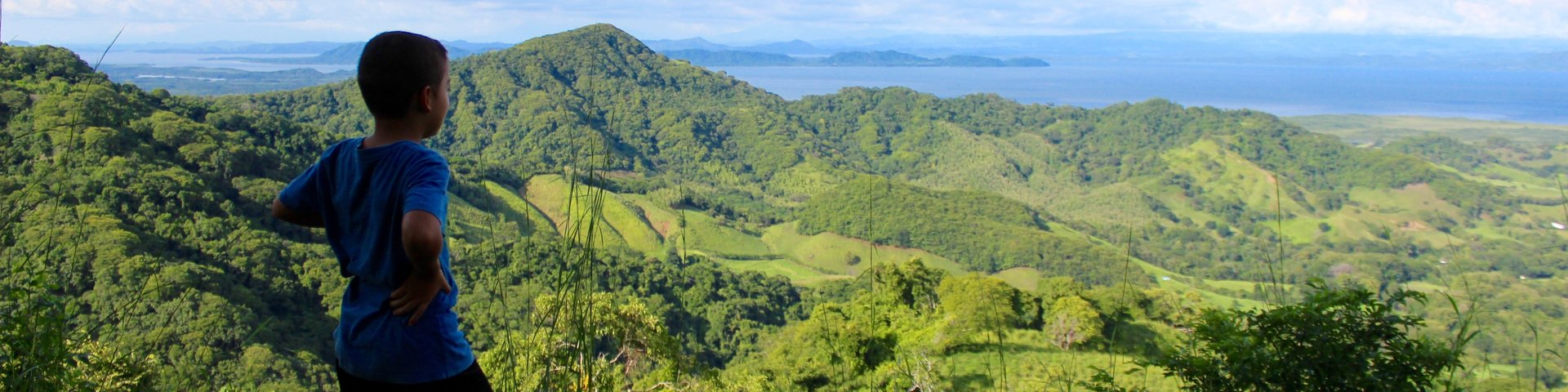
Work communities vary in size and geographical characteristics, from remote rural communities to semi-rural towns, all with limited public transport options. Most communities enjoy a warm and humid climate throughout the year, offering a unique environment to explore. The landscape includes diverse, mountainous terrain and rustic unpaved roads. All regions of Costa Rica experience a heavy rainy season. Volunteers should be prepared for tropical living and coexistence with a variety of insects and animals. Training will be provided to help Volunteers navigate the unique tropical flora and fauna.
Nearly all Volunteer communities are accessible to the capital San José within two to eight hours by public transportation. The closest urban center may be as little as 1 hour away by public transportation. Buses are available from all communities several days a week. They are both inexpensive and relatively dependable.
COMMUNICATIONS:
Volunteers must have a cell phone connected to local phone service. Both pre-paid and post-paid services are available. Peace Corps does not purchase cell phones for Volunteers. Volunteers may use an "unlocked" cell phone brought from the U.S or purchase a cell phone in Costa Rica. Internet service is not available in in all communities, and access to Wi-Fi may be limited.
Learn more about the living conditions, including detailed information on culture, communications, housing, and health/crime statistics on our Costa Rica country page. You can also delve into stories about local communities by reading our blog or Volunteer stories.
Meet a Volunteer in Costa Rica
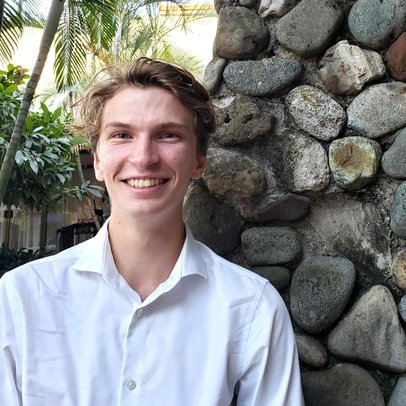
Henry B.
Elementary English Education Volunteer
"Dancing is big in my community, and it has been a great way to meet people and to distinguish myself from the tourists who are constantly coming through town."
See full Volunteer profile
To learn more about serving as a couple in Costa Rica, visit the country page.
Application process
From application to departure takes around nine months. Learn about the application process for Volunteer opportunities.
Medical/legal clearance
You will need to be cleared medically and legally in order to serve in Costa Rica. Review information on medical clearance and legal clearance to learn about the process.