An official website of the United States government

Official websites use .gov
A
.gov website belongs to an official government
organization in the United States.

Secure .gov websites use HTTPS
A
lock (
) or https:// means you’ve safely connected to
the .gov website. Share sensitive information only on official,
secure websites.

Search
Connect with the Peace Corps
If you're ready for something bigger, we have a place where you belong.
Apply to the Peace Corps
The application process begins by selecting a service model and finding an open position.
Let us help you find the right position.
If you are flexible in where you serve for the two-year Peace Corps Volunteer program, our experts can match you with a position and country based on your experience and preferences.
Serve where you’re needed mostPublic Health Educator
 Health
Job highlights
- Strengthen community-level health services to positively impact generations to come.
- Learn French from skilled language and cross-culture facilitators.
- Create a life within Guinea’s vibrant culture.
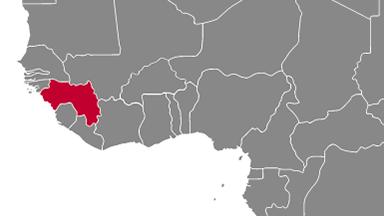
Guinea • Africa
In partnership with: Health workers, families, caregivers
Applications are now closed. View current openings.
Apply by
March 15, 2026Know by
May 29, 2026Depart on
September 28, 2026Duration
2 years, plus 3 months trainingAbout the project
Do you have a passion for maternal health? Guinea’s Ministry of Health would like your support to reduce the country’s maternal and child mortality rates.
With more than 70 percent of Guinea’s population under the age of 30, young people adopt positive reproductive health practices at a low rate and face both high rates of unemployment and inequitable gender norms. Guinea seeks to strengthen maternal and child health outcomes by increasing health coverage and services.
As a Public Health Educator, you will promote the use of existing health services, strengthen the capacity of local health workers, and identify new opportunities to improve the health and well-being of community members.
Learn more about what Volunteers do in country by visiting our Guinea project page.
Required skills
Qualified candidates will have one or more of the following criteria:
Qualified candidates will have an expressed interest in working in the health sector and one or more of the following criteria:
Bachelor of Arts/Bachelor of Science degree in any field
OR
5 years' professional work experience
Language: There are no pre-requisite language requirements for this position.
Required behavioral competencies
These competencies are essential for all service assignments and are assessed in the application and interview process:
Motivation for and commitment to service
Adaptability and open-mindedness
Problem solving and resourcefulness
Behavioral maturity and professionalism

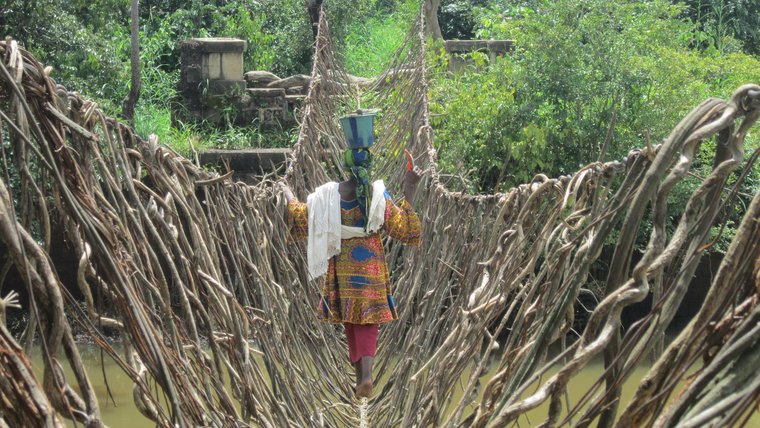
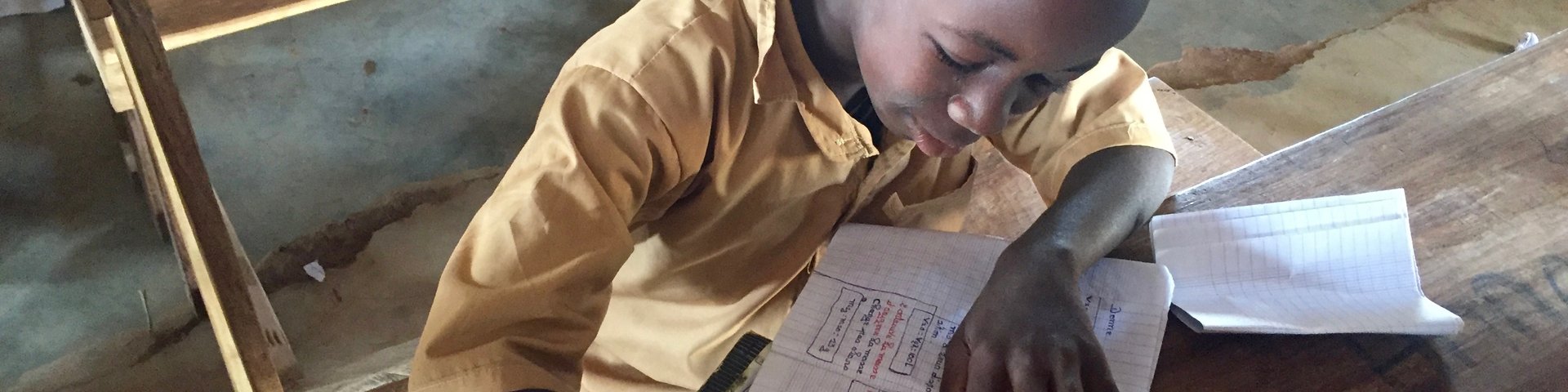
Photos from Guinea



How you and the community will make an impact together:
Encourage the use of local healthcare facilities through community outreach activities.
Support the adoption of practices that contribute to a healthy pregnancy, safe delivery, good postpartum health, and a healthy newborn.
Provide training on reproductive health, hygiene and sanitation, nutrition, and malaria prevention.
Digitalize community health programs through secure data collection and management.
You may also work on additional projects that meet the community’s interests and priorities, such as starting a school garden or conducting workshops on nutrition.
Volunteers are assigned to rural villages with limited public health interventions and a lack of maternal neo-natal care. Located in the country’s Labe, Mamou, Faranah, or Kindia regions, these villages can range in size from several hundred to a few thousand people.
Learn more about the living conditions, including detailed information on culture, communications, housing, and health/crime statistics on our Guinea country page. You can also delve into stories about local communities by reading our blog or Volunteer stories.
Meet a Volunteer in Guinea
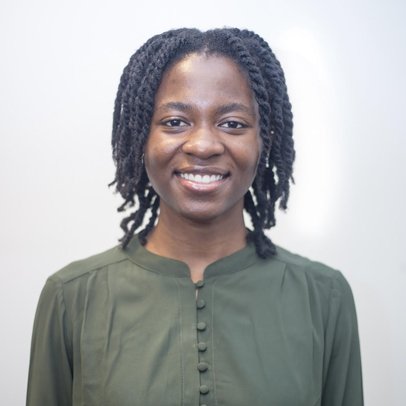
Blessing U.
Public Health Educator
"I enjoy making new friends in the community and love how people are always looking out for me and helping me when needed."
See full Volunteer profile
As a Public Health Educator, you will be trained to support maternal and child health services. Peace
Corps/Guinea will teach you French to help you comfortably live in and connect with the community. You will also receive language resources and learn one of the local languages: Pular, Maninka, Susu, Kissi, Kpelle, or Toma.
After 10 weeks of training, you will move to a rural village where you will increase the knowledge and skills among expecting parents, child caregivers, adolescents, and health workers.
Only heterosexual couples can be accepted for this program. Each person must apply separately and must qualify for a position in either the same or a different sector than their partner. Cross-sector couples will live with different host families who may reside in different communities during training. Cross-sector couples may see each other for joint-sector training days or on the weekends but neither are guaranteed. Cohabitating couples are highly encouraged to present themselves as married throughout service due to cultural expectations.
To learn more about serving as a couple in Guinea, visit the country page.
Application process
From application to departure takes around nine months. Learn about the application process for Volunteer opportunities.
Medical/legal clearance
You will need to be cleared medically and legally in order to serve in Guinea. Review information on medical clearance and legal clearance to learn about the process.