An official website of the United States government

Official websites use .gov
A
.gov website belongs to an official government
organization in the United States.

Secure .gov websites use HTTPS
A
lock (
) or https:// means you’ve safely connected to
the .gov website. Share sensitive information only on official,
secure websites.

Search
Connect with the Peace Corps
If you're ready for something bigger, we have a place where you belong.
Apply to the Peace Corps
The application process begins by selecting a service model and finding an open position.
Let us help you find the right position.
If you are flexible in where you serve for the two-year Peace Corps Volunteer program, our experts can match you with a position and country based on your experience and preferences.
Serve where you’re needed mostPublic Health Educator
 Environment
 Health
Job highlights
- Gain hands-on, international experience effectively managing health programs in resource-constrained settings.
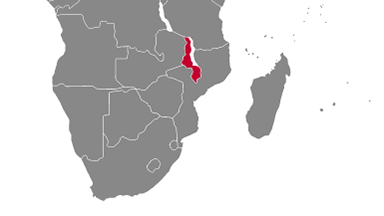
- Experience the rich culture, natural wonders, and warm hospitality that have earned Malawi the title of "the warm heart of Africa."
- Engage in traditional forms of living, learn the value of communal life, and build lasting friendships rooted in mutual understanding.
Get answers live — every weekday at .
Apply by
November 15, 2026Know by
January 1, 2027Depart on
June 4, 2027Duration
2 years, plus 3 months trainingAbout the project
Whether you’re looking to start a meaningful career in public health or for an opportunity to share your expertise with others, health facilities and communities in Malawi are looking for your support.
Malawi’s health system faces significant challenges, including limited resources, workforce shortages, gaps in health knowledge, and weak infrastructure. Traditional beliefs can also play a role in shaping behaviors and treatment choices. These issues continue to slow progress. A 2024 survey showed only slight improvements in key health indicators, with some declining since 2015. Malawi’s Ministry of Health aims to achieve universal health coverage and improve quality of life through equitable access to quality services. However, limited government funding and declining donor support have made health financing increasingly difficult.
As a Public Health Educator, you will collaborate with the staff at health centers, schools, and community organizations to strengthen health education and services. Alongside the community, you will promote healthy practices that prevent or address key health issues. In this role, you will have the opportunity to support Malawians as they work to improve their quality of life and advance the country’s long‑term development.
Learn more about what Volunteers do in country by visiting our Malawi project page.
Required skills
Qualified candidates will have one or more of the following criteria:
Bachelor's degree in any field.
Language: There are no pre-requisite language requirements for this position.
Required behavioral competencies
These competencies are essential for all service assignments and are assessed in the application and interview process:
Motivation for and commitment to service
Adaptability and open-mindedness
Problem solving and resourcefulness
Behavioral maturity and professionalism

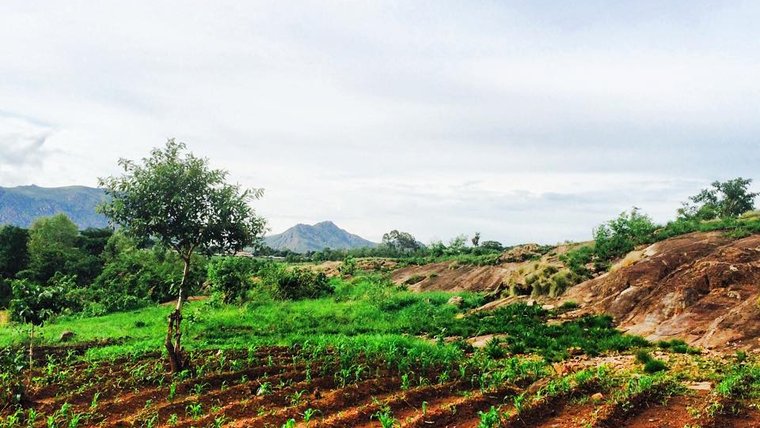
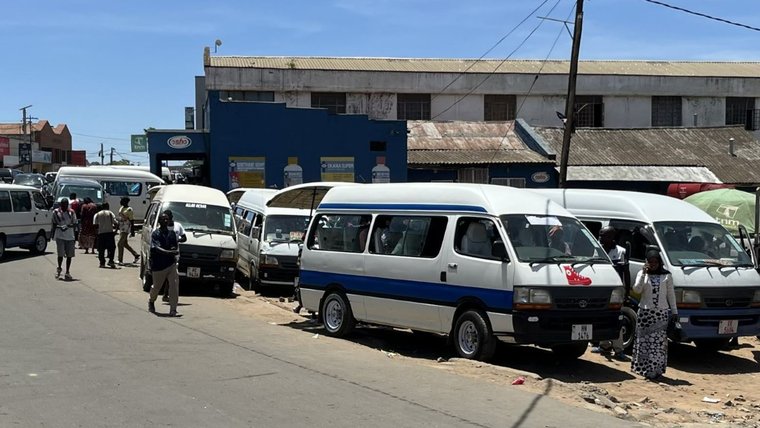
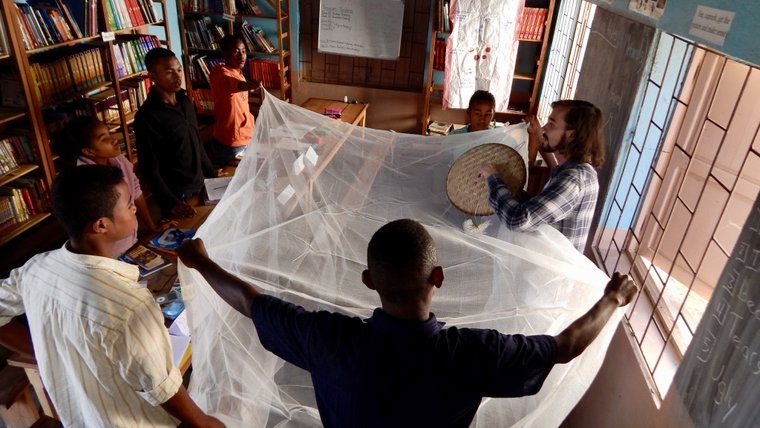
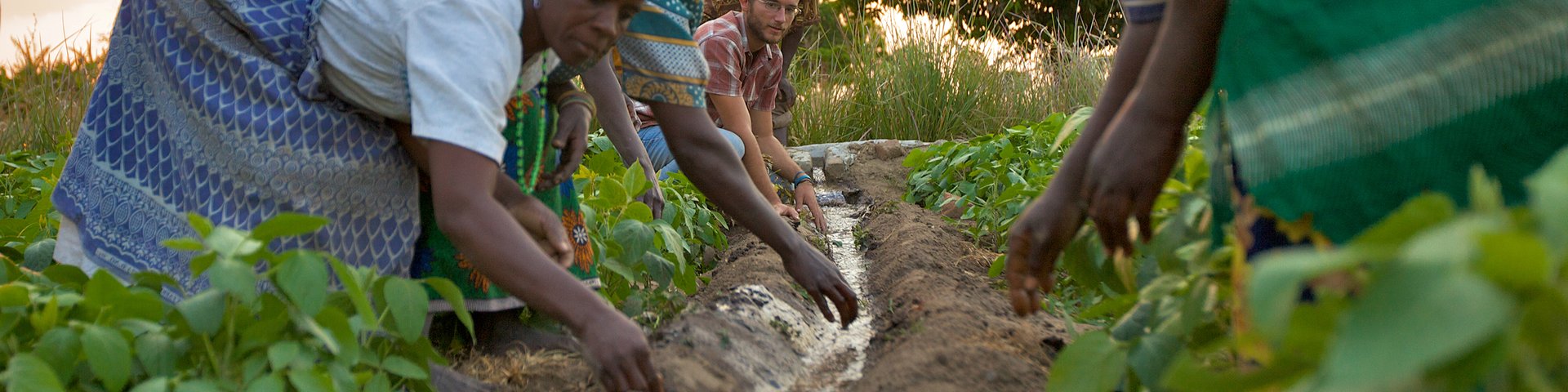
Photos from Malawi



How you and the community will make an impact together:
Promote HIV prevention, care, and treatment among the youth and people living with HIV.
Conduct nutrition education and awareness sessions with pregnant and breastfeeding women or caregivers of children under the age of 5.
Promote the production of diverse, nutrient-rich foods through homestead gardens.
Conduct nutrition cooking demonstrations to promote proper food utilization.
Assist malaria education and awareness sessions that encourage bed net usage, utilization of malaria prophylaxis, and early care.
Promote safe water and hygiene practices, including the use of sanitary facilities.
Facilitate training sessions and strengthen current systems.
You may also work on secondary projects that meet your community’s interests and priorities, such as youth clubs or summer camps.
Volunteers live in rural or semi-urban communities across the country. Housing will be approximately two miles away from the work site and may or may not have electricity. In areas with no electricity, renewable energy solutions help support daily needs. Water is accessed from communal sources such as boreholes.
Learn more about the living conditions, including detailed information on culture, communications, housing, and health/crime statistics on our Malawi country page. You can also delve into stories about local communities by reading our blog or Volunteer stories.
Meet a Volunteer in Malawi
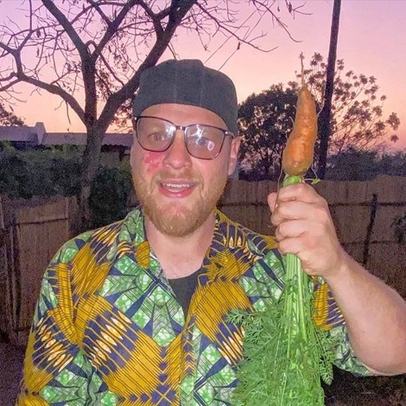
Dave M.
Environmental Education and Food Security Volunteer, Peace Corps Volunteer Leader
"The best strategy for integrating into your community is the simplest one: be present ... No one expects you to always have the answers, but you can offer a helping hand. The easiest way to know when support is needed is if you are present."
See full Volunteer profile
As a Public Health Educator, you will be trained on participatory community development, principles of behavior change, as well as monitoring and evaluation best practices. Peace Corps/Malawi will equip you with Chichewa, Tumbuka, or Tonga language resources. You may also work with a tutor who can help you build basic language skills to connect with the community.
After nine weeks of training, you will move to a rural or semi-urban community where you will collaborate with a health center and other community structures or groups to promote health work. You will work with the community to assess the needs and develop solutions based on community priorities.
Only heterosexual couples can be accepted for this program. Each person must apply separately and must qualify for a position in either the same or a different sector than their partner. Couples will live together during training but may separate occasionally for field-based activities. Cohabitating couples are highly encouraged to present themselves as married throughout service due to cultural expectations.
To learn more about serving as a couple in Malawi, visit the country page.
Application process
From application to departure takes around nine months. Learn about the application process for Volunteer opportunities.
Medical/legal clearance
You will need to be cleared medically and legally in order to serve in Malawi. Review information on medical clearance and legal clearance to learn about the process.