An official website of the United States government

Official websites use .gov
A
.gov website belongs to an official government
organization in the United States.

Secure .gov websites use HTTPS
A
lock (
) or https:// means you’ve safely connected to
the .gov website. Share sensitive information only on official,
secure websites.

Search
Connect with the Peace Corps
If you're ready for something bigger, we have a place where you belong.
Apply to the Peace Corps
The application process begins by selecting a service model and finding an open position.
Let us help you find the right position.
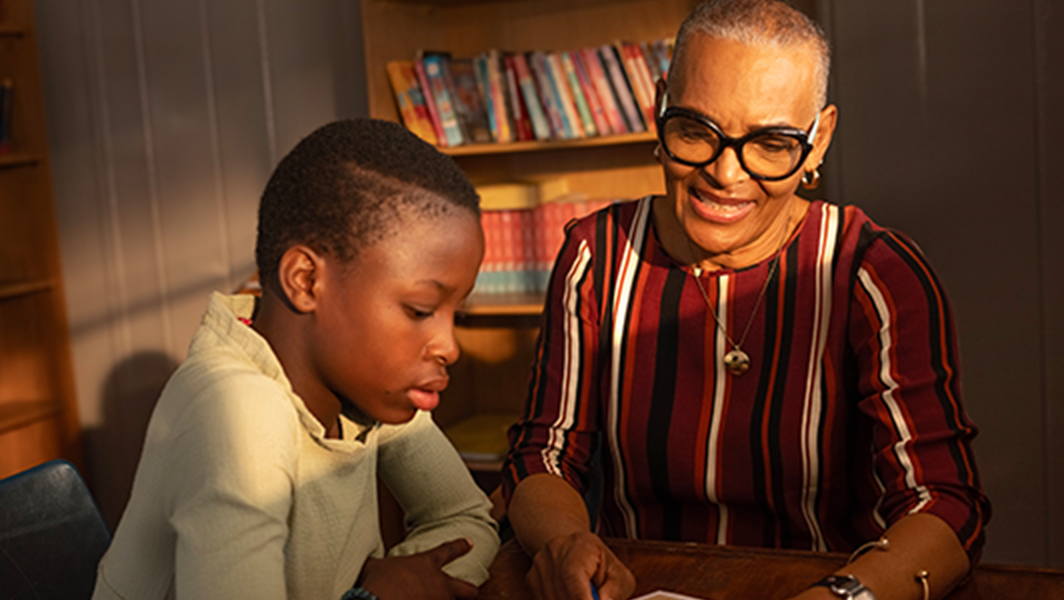
If you are flexible in where you serve for the two-year Peace Corps Volunteer program, our experts can match you with a position and country based on your experience and preferences.
Serve where you’re needed mostPrimary and Secondary Education - TEFL/English Teaching
 Education
Job highlights
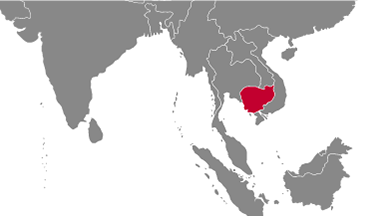
Applications are now closed. View current openings.
Apply by
January 1, 2026Know by
March 1, 2026Depart on
July 31, 2026Duration
2 years, plus 3 months trainingAbout the project
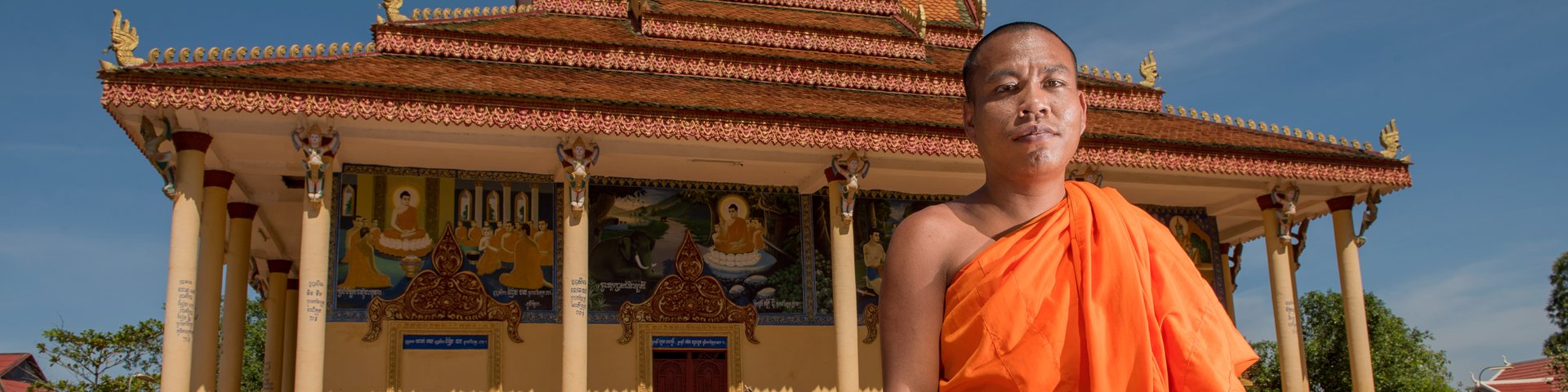
Cambodia is a warm and welcoming place to serve. Cambodia has a long and rich history reflected in its hundreds of ancient temples, floating villages along the Tonle Sap and Mekong rivers, and vibrant cultural hubs of Phnom Penh and Siem Reap. Peace Corps Volunteers (PCVs) in Cambodia work in public schools across the country. Cambodia’s Ministry of Education, Youth, and Sport (MoEYS) welcomes PCVs as they work to enhance education throughout the country with an emphasis on improving English language teaching and learning. Schools are important community centers in Cambodia and provide opportunities for many community development projects beyond the classroom.
Volunteers teach English at primary (grades 4-6) and secondary schools (grades 7 -12) and train teachers at teacher training centers (TTCs). All Volunteers co-teach with local Cambodian teachers to integrate effective teaching strategies and improve English proficiency. In secondary schools, it is common for there to be one or two English teachers who teach an average of 20 hours per week. In primary schools there may not be a designated English teacher, and many teachers will share classes. Therefore, Volunteers can expect to work with up to ten different teachers depending on their school’s structure. Volunteers will co-teach English classes for 16-20 hours per week. In Cambodia, English skills are highly valued, and English teachers often teach more hours than other teachers because the country lacks a sufficient number of qualified English teachers.
In addition to teaching in the classroom, Volunteers spend time preparing lesson plans, developing and/or adapting educational materials (visual aids, lesson or activity books, games, etc.), and participating in teacher meetings and other school-related activities. Volunteers may also lead trainings for teachers in their schools on best practices in Teaching English as a Foreign Language. Volunteers are encouraged to lead or co-lead extracurricular activities such as afterschool clubs and programs to enrich learning experiences for their students.
Volunteers are trained in community development and project design to meet local needs outside the classroom. Activities and projects beyond teaching are common and include clubs, sports, libraries, digital literacy, community gardens, trash management, and water and sanitation projects.
When Volunteers arrive in Cambodia, they will receive extensive technical, cultural, language, health, and safety training led by local staff to prepare them for teaching and living in Cambodian communities. Staff expect Volunteers to be committed to learning the relevant professional and cultural skills needed to be effective and self-sufficient throughout their service.
Learn more about what Volunteers do in country by visiting our Cambodia project page.
Required skills
Qualified candidates will have one or more of the following criteria:
Qualified candidates will have a Bachelor of Arts/Bachelor of Science degree in any discipline and a strong desire to teach English.
The ability to ride a bike is required as Volunteers' primary mode of transportation in Cambodia is a Peace Corps provided bicycle. Volunteers should be comfortable riding a bicycle for short to moderate distances (1 to 5 miles per day).
Language: There are no pre-requisite language requirements for this position.
Required behavioral competencies
These competencies are essential for all service assignments and are assessed in the application and interview process:
Motivation for and commitment to service
Adaptability and open-mindedness
Problem solving and resourcefulness
Behavioral maturity and professionalism

Photos from Cambodia



How you and the community will make an impact together:
All Volunteers (including couples) live with host families for the duration of their service typically in rural towns and villages. Some families have several generations living together while others may be a couple with grown children who have left the community. While Volunteers have their own room in the home, they often share common living and dining spaces as well as a bathroom. Volunteers typically experience less privacy and more attention than they are used to in America.
Host family experiences vary in Cambodia, but most Volunteers find their relationship with their host family to be one of the most meaningful aspects of their service. Volunteers are encouraged to participate in the day-to-day activities in their host families’ lives as well as to celebrate special occasions like weddings, holidays, and ceremonies. Some families must tend to their business or farm, small children, and other responsibilities that may keep them busy. Peace Corps ensures that Volunteers live in a safe environment with a family in the community, thoroughly assesses the families, and provides training for them before they host Volunteers.
Housing reflects what is typical in the community and includes space for sleeping, cooking, eating, and bathing. Indoor plumbing may not be available and bucket showers and squat toilets are typical. Drinking water must either be boiled, filtered, or purchased but is readily available. Volunteers use electric fans for cooling their living space.
Volunteers are required to live according to local cultural norms, which include sharing at least one meal with the host family each day. Typical Cambodian meals include rice, noodles, fish, pork, and chicken. Maintaining a strict vegetarian or vegan diet is difficult as soups are made with various meat and fish stock, and vegetables may be a minor part of your family’s diet. Fresh produce is available in markets year-round, but the selection may be limited. Cooking for yourself may be your only option if you want to maintain these dietary restrictions.
Volunteers have reliable access to the internet as most towns have internet cafés, and schools and offices are likely to have internet service as well. For this reason, Volunteers often bring their own laptops and tablets.
Travel by bicycle is required of all Volunteers. Local transportation options may be limited in the semi-rural areas where Volunteers live. Volunteers often ride on gravel or paved roads that can be muddy in the rainy season and dusty in the dry season. Volunteers ride a bicycle up to 5 miles on a daily basis in Cambodia’s hot climate to commute to school, the market, or internet cafés.
Volunteers experience a high degree of curiosity and attention from community members that may be unwanted and uncomfortable, but these moments are opportunities to deepen local community members’ understanding of the multicultural nature of American society by sharing their own values and life experiences. Peace Corps Cambodia is committed to creating a supportive and safe environment for Volunteers of all backgrounds.
Learn more about the living conditions, including detailed information on culture, communications, housing, and health/crime statistics on our Cambodia country page. You can also delve into stories about local communities by reading our blog or Volunteer stories.
Meet a Volunteer in Cambodia
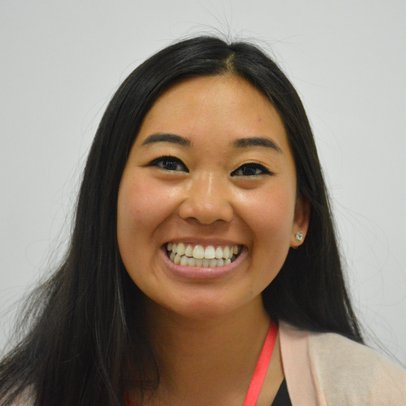
Joleen X.
English Teacher
"I have always dreamt of living abroad with a mission and purpose. I have always wanted to make a difference or reach people who live on this side of the world. Serving with the Peace Corps allowed me to do both."
See full Volunteer profile
To learn more about serving as a couple in Cambodia, visit the country page.
Application process
From application to departure takes around nine months. Learn about the application process for Volunteer opportunities.
Medical/legal clearance
You will need to be cleared medically and legally in order to serve in Cambodia. Review information on medical clearance and legal clearance to learn about the process.