An official website of the United States government

Official websites use .gov
A
.gov website belongs to an official government
organization in the United States.

Secure .gov websites use HTTPS
A
lock (
) or https:// means you’ve safely connected to
the .gov website. Share sensitive information only on official,
secure websites.

Search
Connect with the Peace Corps
If you're ready for something bigger, we have a place where you belong.
Apply to the Peace Corps
The application process begins by selecting a service model and finding an open position.


Let us help you find the right position.
If you are flexible in where you serve for the two-year Peace Corps Volunteer program, our experts can match you with a position and country based on your experience and preferences.
Serve where you’re needed mostMaternal, Newborn and Child Health Educator
 Health
Job highlights
Applications are now closed. View current openings.
Apply by
January 1, 2026Know by
April 1, 2026Depart on
August 29, 2026Duration
2 years, plus 3 months trainingAbout the project
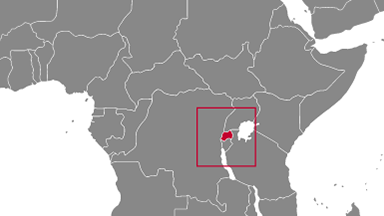
Rwanda has made enormous progress over the last thirty years in its economic, political and social development. Great strides have been made in maternal and child health recently, in part due to a strong commitment on the part of the Government of Rwanda in strengthening health systems and quality services; and introducing 60,000 Community Health Workers (CHWs) into the health sector. Despite significant gains, data from the Rwanda Demographic Health Survey in 2019-2020 shows that 33% of children under five are stunted due to malnourishment. This has resulted in increased mortality, morbidity, decreased educational achievement, and lost productivity.
The Government of Rwanda has requested the support of the Peace Corps in developing the capacity of local health centers and community-based health workers to plan, deliver, monitor, and evaluate services in the areas of maternal and child health. Specifically, there is a focus on hygiene, nutrition, and prevention of childhood diseases including malaria, and acute respiratory infections (ARIs). The primary goal of the Maternal, Newborn and Child Health (MNCH) project is to increase the number of mothers/caregivers adopting practices that improve maternal and child health across the first 1,000 days of life.
To accomplish this, Volunteers are assigned to community health centers (CHCs). Through the CHC, Volunteers partner with their Rwandan counterparts (community health officer, nutritionist, and/or social worker), "titulaire" (supervisor), and CHWs on a broad range of public health initiatives including those aimed at improving maternal and child health outcomes. Volunteers work with expectant mothers, mothers and their children, as well as their families on a variety of interventions to ensure a healthy start to life for Rwandan children.
To conduct this work, Volunteers coordinate with their local colleagues on programs and educational initiatives to:
• Improve maternal and child health and nutrition
• Support families to adopt improved hygiene and safe water practices at the household level
• Encourage families to prevent and appropriately respond to childhood illnesses, such as diarrhea, acute respiratory infections, and malaria
• Engage/work with fathers and other relatives to support mothers and children in improving their health and wellbeing
The specific goals for your community will be determined by your supervisor, your counterpart(s), your community leaders and Peace Corps staff before your arrival in Rwanda, and you will work on the progress towards those goals throughout your service.
Along with their primary work assignment, Volunteers may be involved with school clubs, youth programs and extracurricular activities. MNCH Volunteers integrate secondary activities depending on the needs of the community; these can include women and girls’ empowerment, malaria mitigation and food security.
During Pre-Service Training (PST), MNCH Volunteers will spend 11 weeks living with a local family and participate in training on technical, cross-cultural, language, medical, and safety and security aspects within the rural Rwandan context. As a Trainee, Peace Corps staff will support you throughout PST and assess your progress to determine if you have successfully achieved the necessary competencies before swearing-in as a Peace Corps Volunteer.
Learn more about what Volunteers do in country by visiting our Rwanda project page.
Required skills
Qualified candidates will have one or more of the following criteria:
Qualified candidates will have an expressed interest in working in the health sector and one or more of the following criteria:
• Bachelor of Arts/Bachelor of Science degree in any field
OR
• 5 years' professional work experience
Language: There are no pre-requisite language requirements for this position.
Required behavioral competencies
These competencies are essential for all service assignments and are assessed in the application and interview process:
Motivation for and commitment to service
Adaptability and open-mindedness
Problem solving and resourcefulness
Behavioral maturity and professionalism

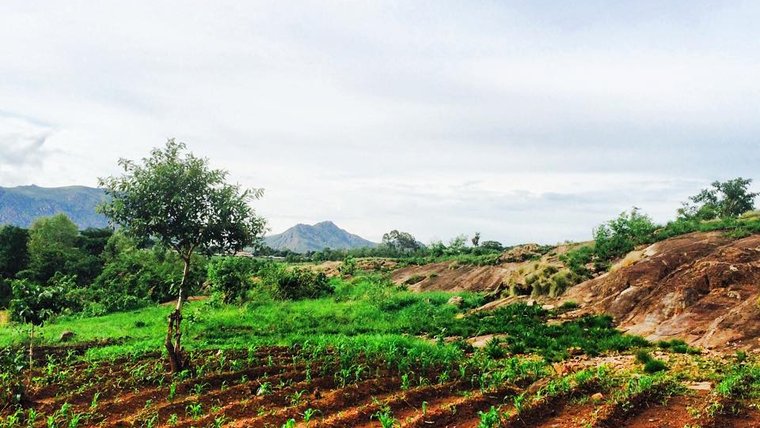
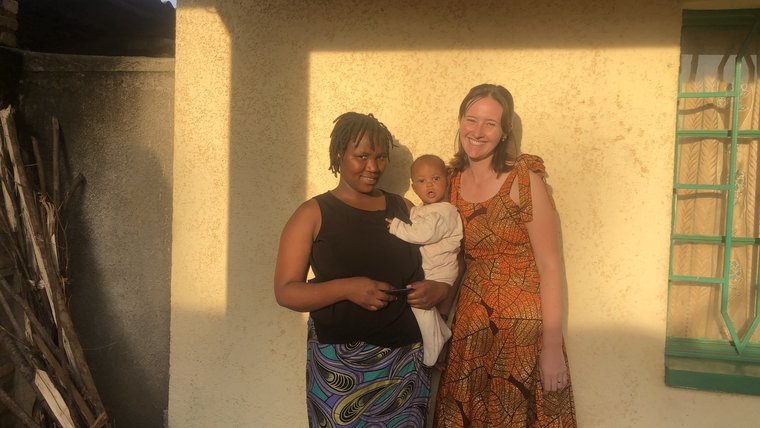
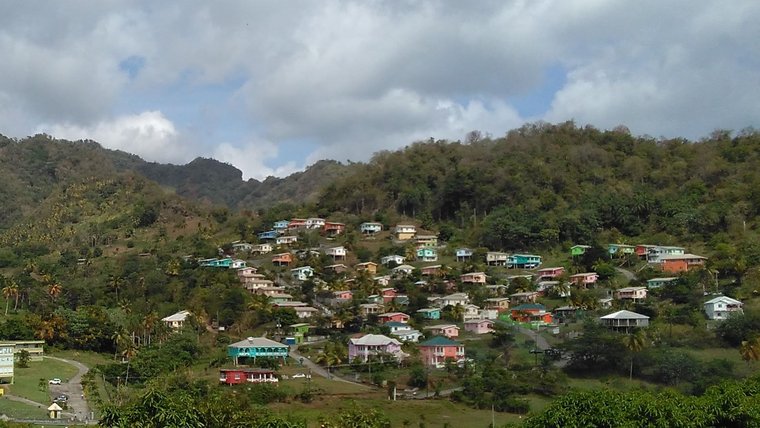
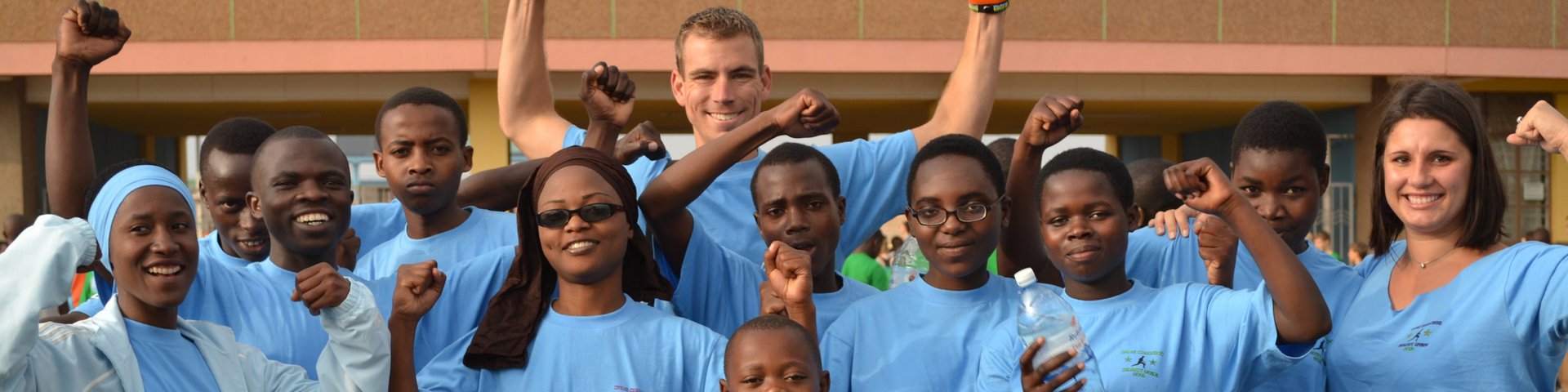
Photos from Rwanda



How you and the community will make an impact together:
Volunteers live in modest housing that vary both in size and resources depending on what is available in the host community. Some housing will have running water and electricity, some will not. Volunteers might use charcoal and/or gas stoves for cooking. Volunteers receive a modest settling in allowance from Peace Corps for basic household furnishings and accessories. Housing will be identified and approved according to Peace Corps safety and security standards.
Volunteers primarily travel on foot, by bicycle, or public transportation. Public transportation is available near most sites and in most cases goes several times a day to and from the nearest regional town with markets and banks. Public transportation is relatively inexpensive but can be crowded and require long waits. Volunteers traveling by bike are required to wear a Peace Corps provided helmet.
The climate of Rwanda is made up of two rainy seasons and two dry seasons. The lowest nighttime temperature is around 10° C (50°F) and the highest daytime temperature is about 34°C (94°F).
Rwandans are conservative in attire and grooming. In professional working environments in which Peace Corps is invited to serve, Volunteers are held to the same standards as their Rwandan counterparts. Rwandan men wear trousers such as chinos and button-down shirts in work settings. Jackets and ties are occasional requirements for certain activities. Men keep their hair cut short and well-groomed. Facial hair is kept neat and short. Rwandan women wear long dresses and skirts that fall below the knee or trouser suits with tunic style tops in both work and leisure environments. Women may wear their hair long, but keep it styled conservatively.
Tattoos, piercings on men, and long hair on men (including locs), are traditionally not accepted in professional environments, although trends are changing in urban areas. During PST, Volunteers must keep large tattoos covered. Male Volunteers must remove piercings and keep their hair cut short. After moving to their host community, it is recommended to maintain this practice but could change depending on specific work and community culture.
Volunteers will encounter different cultural and social mores that require flexibility and understanding. For example, communication in Rwanda tends to be very indirect, which can be difficult for Americans who have been taught to value direct communication.
Women, particularly young women, and younger Volunteers need to be aware of very different sex and age dynamics in Rwanda. Gaining the respect of colleagues and traditional leaders may require more effort than you expect.
Normal working hours for most public institutions are 8:00 am to 5:00 pm, from Monday to Friday. Based on this, the work schedules are developed in collaboration with your Rwandan counterparts and supervisor. As a Health Volunteer, you will need a laptop to complete required activity reporting and assignments. If you would like a PC issued laptop, you will be provided an allowance for local purchase upon arrival regardless of whether or not you bring a personal laptop. Please note that PC Rwanda will not reimburse for any laptops purchased elsewhere.
Learn more about the living conditions, including detailed information on culture, communications, housing, and health/crime statistics on our Rwanda country page. You can also delve into stories about local communities by reading our blog or Volunteer stories.
Meet a Volunteer in Rwanda
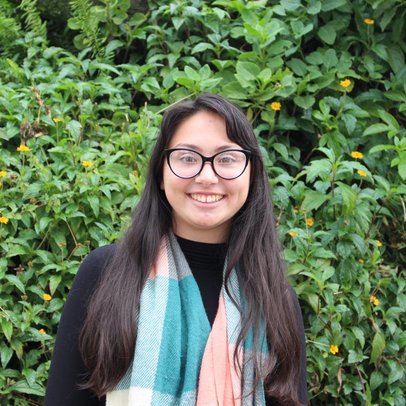
Maya S.
Rural Health Volunteer
"What I’ve enjoyed the most about service is the friendships and connections I’ve made at my health center and in my community. There’s a group of kids I see every week at the health center, and I’m always so excited to see them."
See full Volunteer profile
To learn more about serving as a couple in Rwanda, visit the country page.
Application process
From application to departure takes around nine months. Learn about the application process for Volunteer opportunities.
Medical/legal clearance
You will need to be cleared medically and legally in order to serve in Rwanda. Review information on medical clearance and legal clearance to learn about the process.