An official website of the United States government

Official websites use .gov
A
.gov website belongs to an official government
organization in the United States.

Secure .gov websites use HTTPS
A
lock (
) or https:// means you’ve safely connected to
the .gov website. Share sensitive information only on official,
secure websites.

Search
Connect with the Peace Corps
If you're ready for something bigger, we have a place where you belong.
Apply to the Peace Corps
The application process begins by selecting a service model and finding an open position.


Let us help you find the right position.
If you are flexible in where you serve for the two-year Peace Corps Volunteer program, our experts can match you with a position and country based on your experience and preferences.
Serve where you’re needed mostHealth Promoter
 Health
Job highlights
Applications are now closed. View current openings.
Apply by
January 1, 2026Know by
May 1, 2026Depart on
September 5, 2026Duration
2 years, plus 3 months trainingAbout the project
Goeie more, Walalapo, Mwa penduka. Muzuhile. Morokeni. Matisa. (Good morning in six languages).
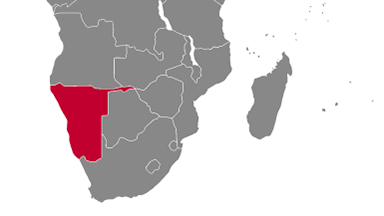
Are you passionate about making a tangible difference in people’s lives? Do you want to be part of a community that's working together to combat one of the world's most pressing health challenges? Consider joining the Peace Corps in Namibia, where we've been working alongside local communities since Independence in 1990.
The Community Health and HIV/AIDS Program (CHHAP) was created in response to the HIV/AIDS epidemic in Namibia, which peaked in 2002 at 22%. Since then, rates have dropped to 12%. Despite the successes, HIV remains one of the main health challenges. While Namibia has made significant strides in reducing new annual infections, the number of people requiring treatment has increased. Ongoing health, education, and access to services, particularly for youth, remain a top priority. Namibia has developed a robust HIV response, largely supported by partners like the U.S. President's Emergency Program for AIDS Relief (PEPFAR) and as a result the country is nearing epidemic control. Despite the wins, there are notable gaps for certain population groups such as: youth, adolescent girls and young woman, boys and men. As a CHHAP Volunteer, you will be assigned to work with a government ministry, or a local organization where you will focus on supporting health and HIV response activities. Your goal is to contribute to the improvement of the health and wellbeing of Namibians.
As a health Volunteer, you will work on supporting the care and treatment of People Living with HIV (PLHIV). You will:
• Support groups of youth and people living with HIV to stay on treatment
• Co-facilitate sessions for People Living with HIV (PLHIV) on nutrition, well-being, positive living, adherence to antiretroviral therapy (ART), bereavement and psychosocial support
• Co-facilitate sessions to train health service providers on topics such as promotion of treatment adherence and retention; promotion of treatment as prevention, promotion of positive living; referral to ART; promotion of youth-friendly services related to PLHIV
• Support staff to order, store and track commodities
• Work with health staff to strengthen management systems, reducing stockouts and ensuring a steady supply of essential medicines and products
• Educate, prevent, and refer on tuberculosis
• Support homes visits with other health professionals
• Support global health threats such as malaria and other infectious diseases
• Support the health of pregnant and breastfeeding women
• Create demand for activities/events for targeted HIV testing with provision of or referral to HIV testing services
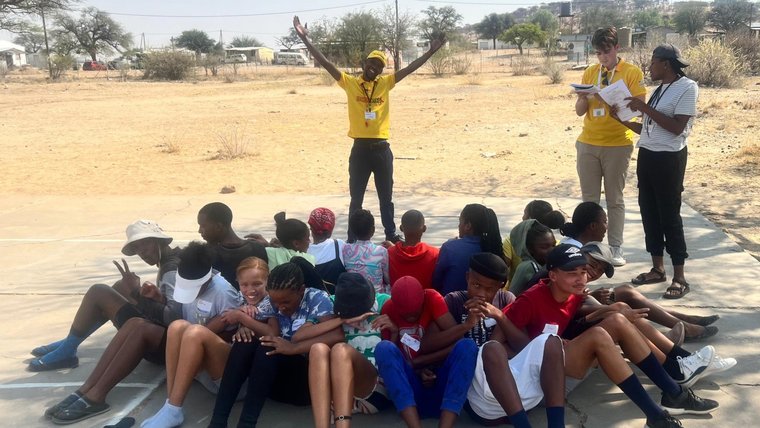
• Implement activities such as camps, clubs and health sessions that aim to increase demand for health services and prevention activities
• Conduct health promotion education sessions in various public health settings on a variety of topics
You'll begin your journey with an intensive 10-week Pre-Service Training (PST) during which you'll live with a local family and develop the skills and knowledge you need:
• Technical skills: project management, public health, planning, and coordination.
• Intercultural skills: understanding Namibia's diverse cultural landscape to build strong relationships with local communities.
• Language skills: language skills to effectively communicate with the people you serve.
• Medical and safety training: to maintain your personal health, safety, and security.
Serving as a CHHAP Volunteer in Namibia will give you first-hand experience in project management, public health, planning and organization, intercultural communication, and monitoring and evaluation. It is a transformational experience both personally and professionally, for you and the people you serve.
Learn more about what Volunteers do in country by visiting our Namibia project page.
Required skills
Qualified candidates will have one or more of the following criteria:
Qualified candidates will have an expressed interest in working in the health sector and one or more of the following criteria:
• Bachelor of Arts/Bachelor of Science degree in any field
OR
• 5 years' professional work experience
Language: There are no pre-requisite language requirements for this position.
Required behavioral competencies
These competencies are essential for all service assignments and are assessed in the application and interview process:
Motivation for and commitment to service
Adaptability and open-mindedness
Problem solving and resourcefulness
Behavioral maturity and professionalism

Photos from Namibia


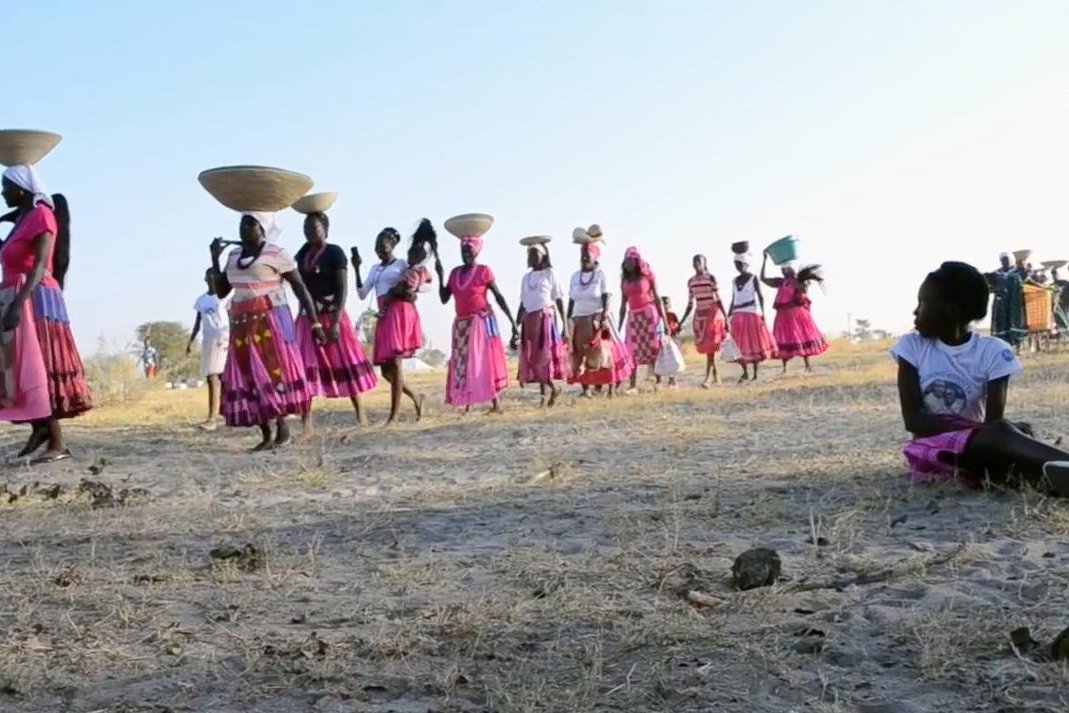

How you and the community will make an impact together:
Namibia is an incredibly beautiful and unique country with great weather, averaging 300 days of sunshine each year! You will arrive in winter, which is sunny but chilly, with nighttime temperatures occasionally dropping to 40 degrees. Temperatures rise steadily in October, followed by the rainy season in December. November to March is the hottest period, reaching over 90 degrees. Namibia is an arid country with a lack of surface water, low humidity, and dry heat.
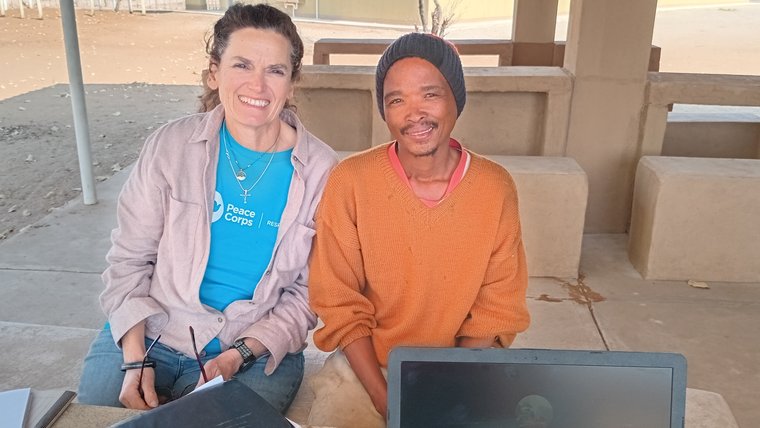
During Pre-Service Training (PST), you will live with a local family who will share Namibian culture and traditions, teach you how to manage village life, and practice speaking the local language with you.
Your permanent living situation will depend on where you are assigned to work. Health Volunteers are commonly placed in urban or peri-urban centers and live in their own room/ apartment with modern amenities, such as a basic refrigerator, stove, shower, inside kitchen, etc., in a single room/ apartment on the Hospital grounds, or in a modest house with a shared kitchen and common areas. All houses have indoor plumbing and electricity though some communities have outages. Flexibility and adaptability are desired characteristics for any potential Volunteer, as is the ability to navigate personal health risks associated with shared housing and common areas.
Namibian cuisine tends to be meat-heavy, often paired with carbohydrates. However, vegetarians can easily find options thanks to the abundance of fresh vegetables, fruits, legumes, and eggs. Alcohol is commonly consumed, particularly during holidays or special events but if you don't drink or prefer not to, a polite decline is perfectly acceptable.
Volunteers either walk or bike if the workplace is nearby and have been approved as safe for biking. For longer distances, they take minibuses or shared taxis.
Namibia is predominantly Christian, and while generally open-minded, values and morals are more conservative than in the U.S. Staff and currently serving Volunteers will address this topic during Pre-Service Training and identify support mechanisms for incoming Trainees. For more information, please see the State Department’s Travel Information page on Namibia: https://travel.state.gov/content/travel/en/international-travel/International-Travel-Country-Information-Pages/Namibia.html/
Namibia is exceedingly diverse with a complex history affecting its politics, economy, and society. Living and working in Namibia means navigating extreme economic disparity, especially around race and ethnicity. Peace Corps will assist Trainees understand and navigate these situations.
Volunteers who are of an American racial, ethnic, or national minority may experience a high degree of curiosity or unwanted attention from Namibians. Diverse Americans may be asked where they are “actually from” or if they are “really” American. Many Volunteers have been able to turn these encounters into learning experiences, sharing American values and deepening local community members’ understanding of Americans.
You will live among people who may have cultural norms different from the ones you are familiar with. Your effectiveness as a Volunteer is partly dependent on your ability to navigate these norms, so flexibility and a willingness to learn and understand, are key. Examples of norms you may encounter include a high importance placed on personal relationships, a casual attitude towards time and deadlines, sexism, strong hierarchies, bureaucracy, perceptions of American affluence, etc. Your training will equip you for these challenges.
Learn more about the living conditions, including detailed information on culture, communications, housing, and health/crime statistics on our Namibia country page. You can also delve into stories about local communities by reading our blog or Volunteer stories.
Meet a Volunteer in Namibia
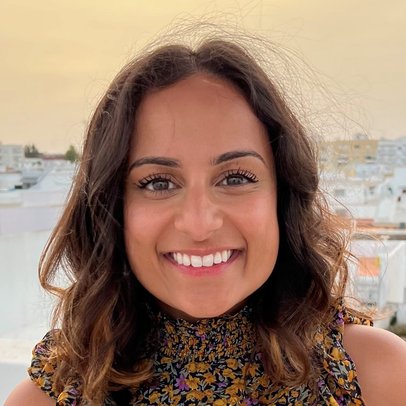
Kajol G.
Economic Empowerment Volunteer
"Peace Corps service gives you two full years of time for yourself – to rediscover your hobbies, refresh your mindfulness, and refocus on your present moments. It has given me the time and space for unmatched personal growth."
See full Volunteer profile
To learn more about serving as a couple in Namibia, visit the country page.
Application process
From application to departure takes around nine months. Learn about the application process for Volunteer opportunities.
Medical/legal clearance
You will need to be cleared medically and legally in order to serve in Namibia. Review information on medical clearance and legal clearance to learn about the process.