An official website of the United States government

Official websites use .gov
A
.gov website belongs to an official government
organization in the United States.

Secure .gov websites use HTTPS
A
lock (
) or https:// means you’ve safely connected to
the .gov website. Share sensitive information only on official,
secure websites.

Search
Connect with the Peace Corps
If you're ready for something bigger, we have a place where you belong.
Apply to the Peace Corps
The application process begins by selecting a service model and finding an open position.
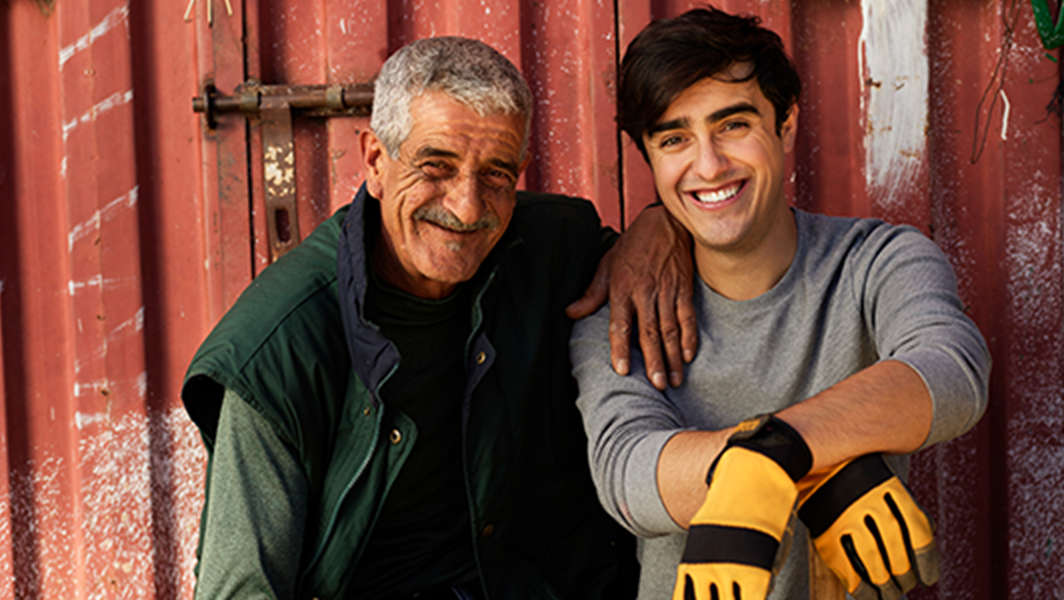
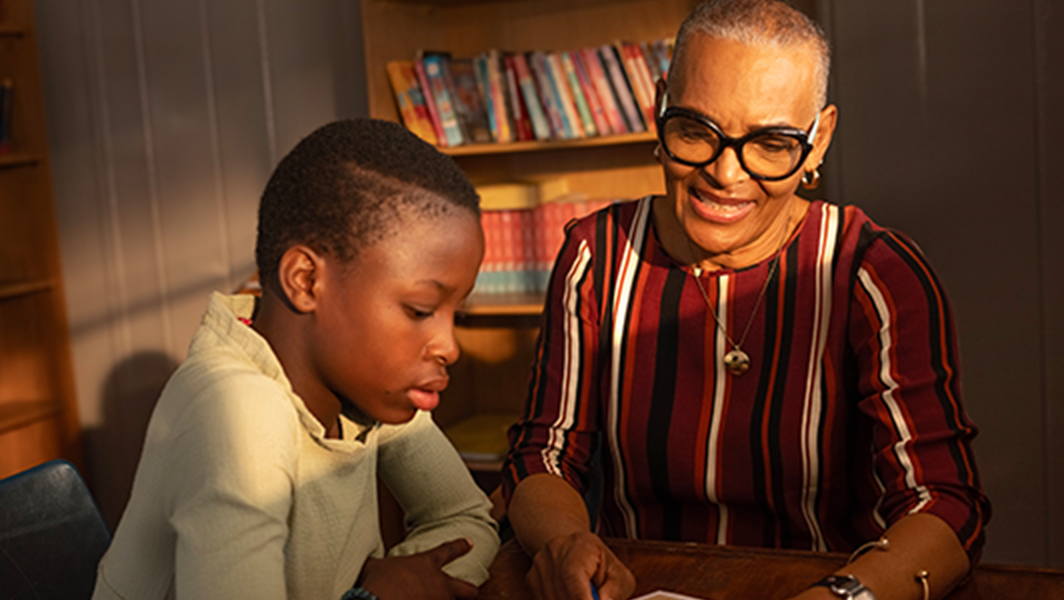
Let us help you find the right position.
If you are flexible in where you serve for the two-year Peace Corps Volunteer program, our experts can match you with a position and country based on your experience and preferences.
Serve where you’re needed mostEnvironmental Education Volunteer
 Environment
Job highlights
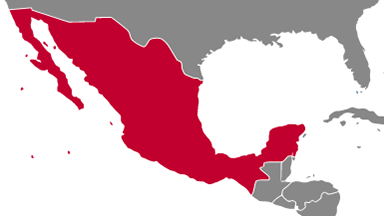
Applications are now closed. View current openings.
Apply by
January 1, 2026Know by
April 1, 2026Depart on
August 23, 2026Duration
2 years, plus 3 months trainingAbout the project
Since 2006, Peace Corps Mexico has worked in collaboration with the Ministry of Environment and Natural Resources (SEMARNAT) to strengthen the resilience of individuals and rural communities in Mexico. Peace Corps Mexico supports community-based efforts to instill a deep appreciation for the environment and local ecosystems within individuals and communities, while empowering them to take action to enhance local resilience. The program works with community members of all ages, from children to adults, with a focus on integrating a gender and youth perspective.
The program is guided by two core objectives. The first seeks that community members have greater knowledge and capacity to address the environmental stressors on both people and nature, while the second strives to facilitate actions that reduce these adverse impacts and promote increased resilience within the community.
To achieve the first objective, Volunteers engage in a range of activities. They co-facilitate educational activities through classes, workshops, environmental fairs, or talks that enhance individuals' understanding of local environmental stressors and seek to foster an appreciation for nature, which may include collaboration in the development of environmental education resources. Additionally, Volunteers co-train sessions to equip individuals with techniques to increase their resilience such as vegetable gardening for food production or the construction of cisterns to harvest and store rainwater.
To accomplish the second objective, Volunteers support the efforts of SEMARNAT and the community to implement sustainable soil and water conservation practices, as well as basic practices for responsible waste management such as composting, recycling, etc. Furthermore, Volunteers support the implementation of locally appropriate biodiversity conservation practices to preserve the unique ecosystems that surround rural communities such as monitoring biodiversity with the use of camera traps, creating gardens for pollinators, etc.
The focus of any Volunteer’s work will depend on local priorities as defined by SEMARNAT and the community, and as revealed through the “discovery” phase of a Volunteer’s service. Peace Corps Mexico Trainees visit their assigned communities during the fourth week of Pre-Service Training, which provides invaluable insight into the reality of their community and informs the remainder of their training.
Volunteers live in rural communities or small cities, and work under the supervision of SEMARNAT. They collaborate with local stakeholders—including community leaders, schools, and local organizations—to carry out program activities effectively and to ensure a lasting impact.
By joining the Environmental Awareness and Action Program, you will have an opportunity to make a tangible difference in the lives of individuals and communities in Mexico, not only for today but into the future. You will play a crucial role in adapting, fostering environmental stewardship, and empowering local stakeholders to take meaningful action to build resilience. Together, we can create a sustainable future and inspire positive change.
Learn more about what Volunteers do in country by visiting our Mexico project page.
Required skills
Qualified candidates will have one or more of the following criteria:
Qualified candidates will have an expressed interest in promoting environmental awareness in schools and communities, and one or more of the following criteria:
•Bachelor of Arts/Bachelor of Science degree in any field
OR
•5 years' professional work experience
SPECIAL NOTICE ABOUT CITIZENSHIP: Candidates who are either dual citizens of Mexico and the U.S., or who were born in Mexico and became U.S. citizens after 1998, are not eligible to serve with Peace Corps Mexico. Volunteer safety is of paramount importance, and the protections of U.S. citizenship promote Volunteer safety. Under Mexican law, anyone born in Mexico who became a U.S. citizen after 1998, or anyone holding dual U.S. and Mexican citizenship, is considered a citizen of Mexico and not of the United States. If such an individual were to face a legal, safety, or other emergency situations in Mexico, the Peace Corps' ability to intervene would be limited. If you fit either of these categories, we encourage you to look for other opportunities with Peace Corps. Please note, the Peace Corps welcomes and encourages individuals with Mexican heritage but who do not hold citizenship with Mexico to apply.
Language: Spanish
A. Completed 4 years of high school Spanish coursework in the past 8 years
B. Completed college-level Elementary II Spanish semester (Elementary III in quarter system) within the past 6 years
C. Score between 50-62 on the Spanish College Level Examination Program (CLEP) exam in the past 6 years
D. Score Novice-High or Intermediate-Low on official American Council on the Teaching of Foreign Languages (ACTFL) Oral Proficiency Interview (OPI) in Spanish within the past 6 years
Required behavioral competencies
These competencies are essential for all service assignments and are assessed in the application and interview process:
Motivation for and commitment to service
Adaptability and open-mindedness
Problem solving and resourcefulness
Behavioral maturity and professionalism

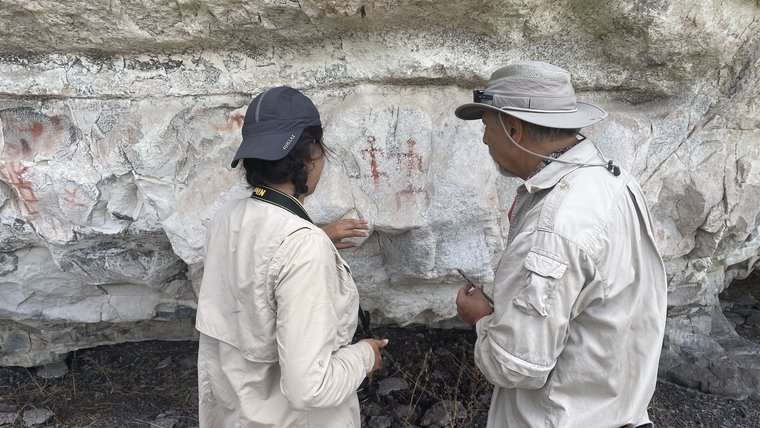
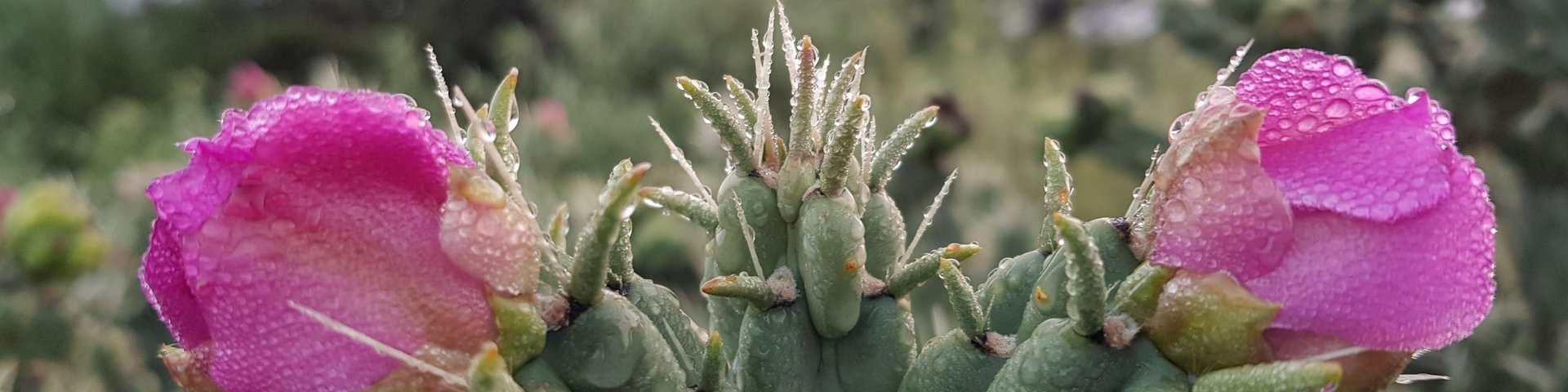
Photos from Mexico



How you and the community will make an impact together:
Most Volunteers are assigned to small rural communities (200 to 5,000 people) or small to medium-sized towns (up to 50,000 people) in central Mexico. Some cities or towns may be more progressive, while rural areas and small towns tend to have more traditional and conservative values; this could be quite different than what most Volunteers are accustomed to and require significant adaptation.
A Volunteer community could be located up to 10 hours from the Peace Corps Mexico Office. Routine travel could range from a short walk or bike ride of 15-20 minutes to several kilometers. Travel to a larger community that provides access to services, better communication, and transportation could take up to two hours by vehicle, depending on road conditions. However, all assigned communities are located within a one-hour walking distance from public transportation.
All Volunteer communities have some form of communication, whether landline or cell phones, telephone booths, satellite phones, or internet access. However, due to the isolation of certain communities or adverse weather conditions, service can be slow or intermittent and may even be inactive for several days. Nevertheless, there is always a larger community within a two-hour distance where communication is more reliable. In most of central Mexico, especially in mountainous areas, it can be cold in the evening throughout much of the year. Daytime highs can be very hot, but a jacket and hat can be useful in the evening. Temperatures can range from freezing to the upper 90s. Layering is a good strategy year-round, and Volunteers should be prepared for rainy weather.
To promote community integration and language learning, host family stays are required during the 10-week Pre-Service Training (PST) and during the first three months of service. A host family could be a couple with children, a grandmother living alone, a single parent who works all day, or any other type of family. After living with a host family for the first three months, some Volunteers decide to live independently in apartments or small houses, if suitable and affordable housing is available. Other Volunteers continue to live with a host family. Additional information on living conditions can be found at: https://www.peacecorps.gov/mexico/preparing-to-volunteer/living-conditions/
Learn more about the living conditions, including detailed information on culture, communications, housing, and health/crime statistics on our Mexico country page. You can also delve into stories about local communities by reading our blog or Volunteer stories.
Meet a Volunteer in Mexico
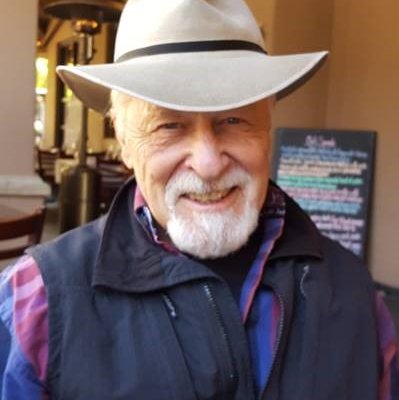
Douglas C.
English Language Facilitator
"I appreciate that for my current engagement the discussions have become increasingly valuable as we’ve become better acquainted and as I’ve learned to be more of an active listener."
See full Volunteer profile
To learn more about serving as a couple in Mexico, visit the country page.
Application process
From application to departure takes around nine months. Learn about the application process for Volunteer opportunities.
Medical/legal clearance
You will need to be cleared medically and legally in order to serve in Mexico. Review information on medical clearance and legal clearance to learn about the process.