An official website of the United States government

Official websites use .gov
A
.gov website belongs to an official government
organization in the United States.

Secure .gov websites use HTTPS
A
lock (
) or https:// means you’ve safely connected to
the .gov website. Share sensitive information only on official,
secure websites.

Search
Connect with the Peace Corps
If you're ready for something bigger, we have a place where you belong.
Apply to the Peace Corps
The application process begins by selecting a service model and finding an open position.
Let us help you find the right position.
If you are flexible in where you serve for the two-year Peace Corps Volunteer program, our experts can match you with a position and country based on your experience and preferences.
Serve where you’re needed mostElementary Literacy English Teacher
 Education
Job highlights
Applications are now closed. View current openings.
Apply by
January 1, 2026Know by
March 1, 2026Depart on
July 12, 2026Duration
2 years, plus 3 months trainingAbout the project
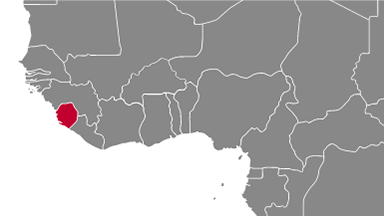
KABOH or welcome! The tropical country of Sierra Leone sits on the west coast of Africa. Sierra Leone is a multiethnic society with about sixteen languages spoken among its populace. When a Sierra Leonean greets you with “KUSHE” or “KABOH”, they are welcoming you to the love, kindness, and care deeply felt in the heart of the average Sierra Leonean for strangers.
The Peace Corps has partnered with the government of Sierra Leone from the beginning, and since the first Peace Corps Volunteers (PCVs) arrived in 1962 over 3900 have served here. The current English Education project aims to partner PCVs with teachers and community stakeholders inside and outside of the classroom to strengthen students’ English language skills. The goal of the project is to aid students in attaining oral and written communicative skills in English to effectively access academic and/or professional opportunities, because strong English language skills increase educational and professional opportunities for citizens in Sierra Leone.
In prioritizing English language learning, the government of Sierra Leone supports shifting from traditional lecture-based, call-and-response, and rote memorization methods to collaborative student-centered approaches, in classrooms with limited resources and typically large class sizes. This context provides PCVs and their local counterparts flexibility for creativity in teaching. The Peace Corps provides training in co-teaching and behavior change techniques for effectively engaging students through small group activities that help foster the development of self-study and critical thinking. PCVs may also work closely with teachers and students in informal settings to build and practice teaching techniques and facilitate student-centered approaches.
In schools, with grades similar to U.S. grades 4-6, Elementary Literacy English Teacher Volunteers partner with local counterparts to:
1. Co-develop, co-implement, and support promising English teaching strategies, including critical thinking, resource development, and student-centered activities with English teachers
2. Collaborate with teachers on the use of culturally appropriate practices that relate to boys/men and girls/women
3. Engage English teachers in dialogue and interactions that contribute to increased confidence in English language usage and proficiency
4. Increase the achievement of students in English
5. Work with students to improve digital literacy
PCVs collaborate teaching and supporting English classes, focusing on improving English communication and composition skills, grammar usage and literature, increasing vocabulary, integrating literacy in content, preparing students for national tests, and enhancing positive reading culture, critical thinking, and problem-solving skills.
During the first year of service, PCVs are expected to teach students through direct classroom instruction and co-teaching with a Sierra Leonean teacher at the same school. In the second year of service, PCVs are expected to be more involved with teacher training, mentoring, coaching, and supporting critical thinking skills for teachers and students.
Outside of the classroom, PCVs are encouraged and empowered to co-lead after-school programs supporting students in continuing to improve their English skills. PCVs are trained in using participatory analysis to understand and support additional project priorities their community identifies to address their needs. Examples include malaria prevention education, youth empowerment camps, gardening, and nutrition education.
PCVs partner with Sierra Leonean counterparts to promote culturally-grounded awareness on how men, boys, women and girls interact and how to support them. PCVs are trained on issues faced by men and women in Sierra Leone and can co-develop and implement contextually appropriate activities relating to the equal treatment of men and women, boys and girls. As part of their work, PCVs also report on these efforts and their impact.
Learn more about what Volunteers do in country by visiting our Sierra Leone project page.
Required skills
Qualified candidates will have one or more of the following criteria:
Competitive candidates will have a Bachelor of Arts/Bachelor of Science degree in any discipline and a strong desire to teach English.
Language: There are no pre-requisite language requirements for this position.
Required behavioral competencies
These competencies are essential for all service assignments and are assessed in the application and interview process:
Motivation for and commitment to service
Adaptability and open-mindedness
Problem solving and resourcefulness
Behavioral maturity and professionalism

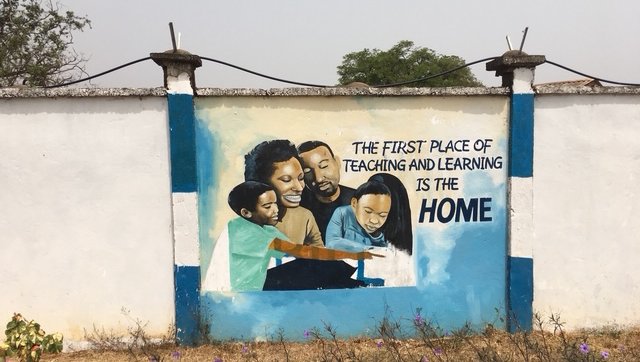
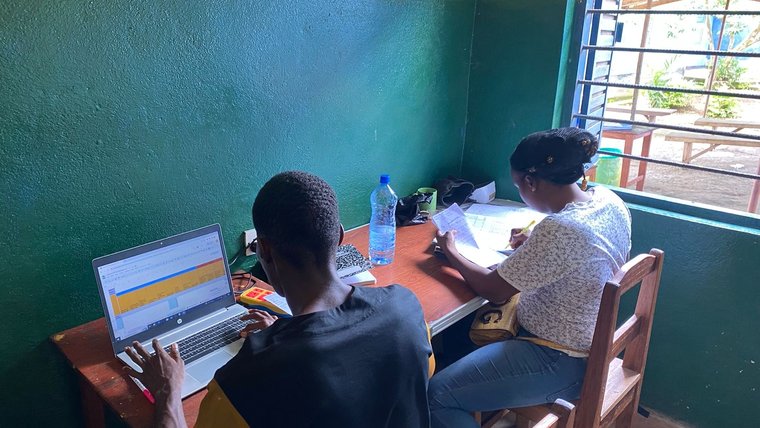
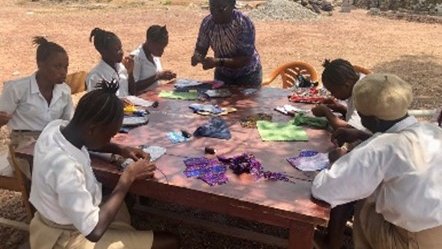
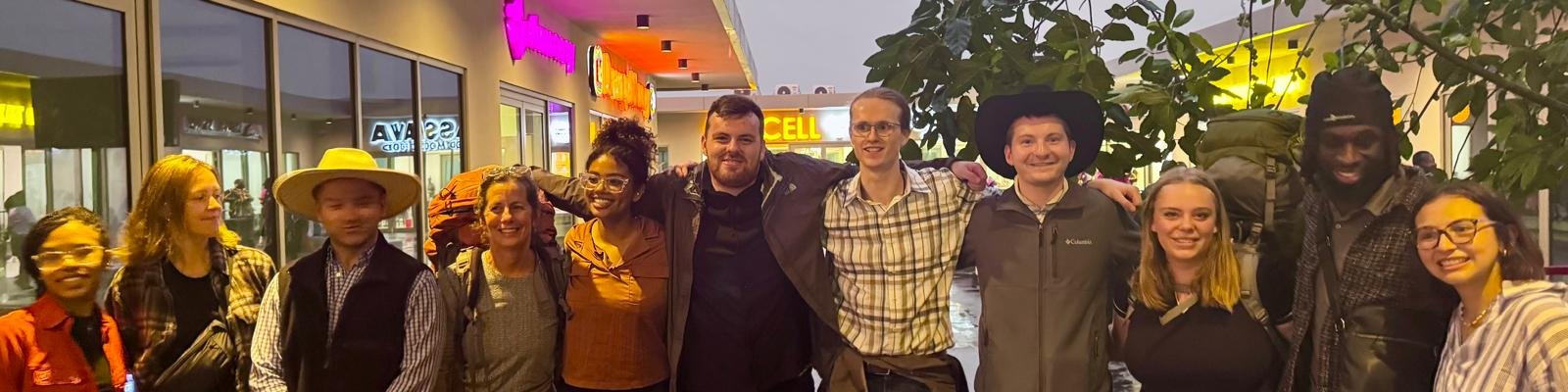
Photos from Sierra Leone



How you and the community will make an impact together:
Many Peace Corps Volunteers (PCVs) find the opportunity to adapt and adjust to new ways of living and working to be a both challenging and rewarding experience. Peace Corps staff work in partnership with PCVs and their host families and counterparts to ensure they have the language skills and intercultural strategies they need to integrate and adapt effectively and appropriately in this cultural exchange. An open mind and patience are helpful, and a PCV is likely to find their creativity, flexibility, and sense of humor among their strongest assets.
HOUSING: During the 10 weeks of Pre-Service Training (PST), each Peace Corps Trainee in Sierra Leone lives with a host family and has their own room. For the subsequent two years of service, PCVs live independently in housing that consists of two rooms and a parlor, with their own individual toilet/outhouse and room for bathing. Houses are located within a neighborhood, and many homes do not have electricity or running water. Some communities have access to generators that can provide electricity/battery recharges, but this is not standard. It is at most a 15-minute walk to a potable water source.
COMMUNICATION: Trainees receive a phone soon after arrival in the country to use for their term of service, and can call Peace Corps staff and other Volunteers at no charge. Each PCV has network coverage within their community, within walking distance of their home. Peace Corps staff receive mail for PCVs at the main post office in Freetown and can deliver it to PCVs.
TRANSPORTATION: PCVs primarily use public transportation to travel to city centers. Peace Corps Sierra Leone provides bicycles and mandatory helmets to PCVs who want them for their daily routines.
FOOD: PCVs have access to a marketplace close to their homes. It is common to have “looma” days where community members bring and sell items in a central location. The typical meal is a sauce called “soup” or “gravy” made of meat, fish, and/or vegetables served over rice. Other favorite foods include fufu with okra sauce, an assortment of fried cakes, plantains, potatoes, chicken with pepe (hot peppers or gravy), and gari (a flour-like substance made from harvested cassava). Beans, onions, peppers, eggplant, cabbage, tomato, cucumber, and carrots are typically available. Peanuts and sesame seed cakes are popular snacks. Fruits such as pineapple, banana, papaya, coconut, avocado, orange, watermelon, and mango are seasonal. Vegetarians and vegans can maintain a balanced diet, but this can be a challenge when eating with a host family or community members, as most cooked dishes have meat in them.
HEALTH & SAFETY: The health, safety, and security of its Volunteers are the Peace Corps' top priorities. Throughout service, PCVs are trained and supported to work in partnership with their counterparts, host communities, and fellow PCVs to prevent, mitigate and/or manage potential safety-, security-, and health-related risks and challenges. These trainings permit PCVs to work alongside community members within the policies and rules of Peace Corps and the local and national laws of the government of Sierra Leone. The Peace Corps Sierra Leone team includes two dedicated Medical Officers, a Safety and Security Manager, and other designated staff who are always available to support and respond to PCVs’ health, safety, and security needs.
SOCIAL CLIMATE: Sierra Leoneans are known for their hospitality. Peace Corps Sierra Leone welcomes PCVs from various backgrounds in the U.S., and staff and currently serving PCVs are committed to supporting Volunteers through challenges. Because Sierra Leone has some restrictive laws against certain sexual acts, LGB Volunteers in particular must be mindful of cultural norms and country-specific laws and use their best judgment in their communities and host countries. Staff and currently-serving PCVs will address this topic during PST and identify support mechanisms for incoming Trainees.
Learn more about the living conditions, including detailed information on culture, communications, housing, and health/crime statistics on our Sierra Leone country page. You can also delve into stories about local communities by reading our blog or Volunteer stories.
Meet a Volunteer in Sierra Leone
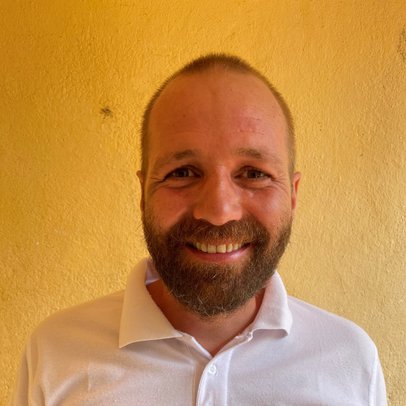
David G.
Math Teacher
"Working with my community has taught me that unity and collaboration are key to success."
See full Volunteer profile
To learn more about serving as a couple in Sierra Leone, visit the country page.
Application process
From application to departure takes around nine months. Learn about the application process for Volunteer opportunities.
Medical/legal clearance
You will need to be cleared medically and legally in order to serve in Sierra Leone. Review information on medical clearance and legal clearance to learn about the process.