An official website of the United States government

Official websites use .gov
A
.gov website belongs to an official government
organization in the United States.

Secure .gov websites use HTTPS
A
lock (
) or https:// means you’ve safely connected to
the .gov website. Share sensitive information only on official,
secure websites.

Search
Connect with the Peace Corps
If you're ready for something bigger, we have a place where you belong.
Apply to the Peace Corps
The application process begins by selecting a service model and finding an open position.
Let us help you find the right position.
If you are flexible in where you serve for the two-year Peace Corps Volunteer program, our experts can match you with a position and country based on your experience and preferences.
Serve where you’re needed mostCommunity Health and Youth Educator
 Health
 Youth in Development
Job highlights
Applications are now closed. View current openings.
Apply by
January 1, 2026Know by
April 22, 2026Depart on
August 28, 2026Duration
2 years, plus 3 months trainingAbout the project
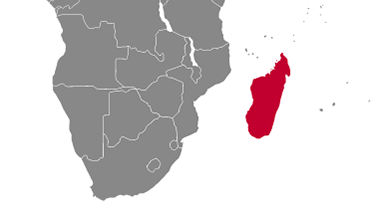
Madagascar’s community health project strives to support global and national priorities to engage with disease prevention, maternal and child deaths, and to promote awareness of access to healthcare through work with local partners. We accomplish this goal by promoting the adoption of accelerator behaviors and strengthening primary health care knowledge and practices in rural areas.
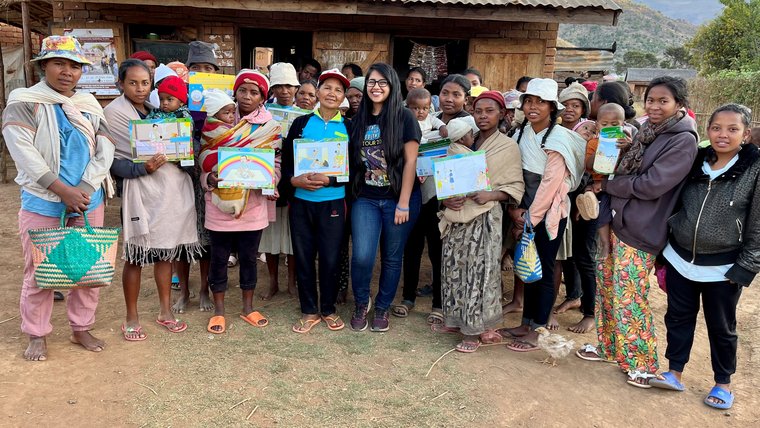
While serving as a Community Health and Youth Educator, you will work alongside implementing community partners to facilitate health education and community outreach, as well as prevention and training programs. Implementing community partners include local health professionals, mothers, and global health professionals.
You will work with your counterpart to use health behavior change models and tools to design group activities for women, mothers, caregivers, men and youth using proven effective approaches through care groups, youth clubs, and camps for community members. Dissemination of health messages may also take place during home visits and through mentoring. You and local partners will coach community members to increase their program’s capacity and effectiveness.
Community Health and Youth Educators collaborate with partners in a variety of activities to positively impact government and community priorities in maternal, child, and youth health. The primary focus is maternal and child health and working with pregnant women and caregivers of children under 5. Therefore, your main role will be that of a co-educator, co-facilitator, liaison, and mentor to assist your community in their priorities.
Your collaboration may focus on:
• Behavior change using evidence-based methodologies (e.g. Care Group model, which you will receive intensive training on during In-Service Training).
• Maternal Health: Working with Care Group mothers to encourage at least the four antenatal care visits (ANC) for safe pregnancies.
• Child Health: Working with Care Group mothers and training in essential nutrition actions and preparation of hygienic and nutritious food.
• Disease Prevention: Working with Care Groups to improve infant and young child health through prevention of childhood illnesses (e.g. respiratory infections); and malaria prevention and control.
• Youth Health: Collaborating with community partners to run youth clubs and camps to promote healthy living, positive youth development, and reproductive health through clubs, camps, and/or in-school programs.
Community and Youth Health Educators are also expected to work with community members to develop secondary projects such as promoting sports for girls, improving community facilities, etc. based on the needs of the community. While much of the work will take place during typical business hours, some community activities may take place on weekends. Many Volunteers also work with their village officials to prepare large community-wide awareness events around International Malaria Day, Global Handwashing Day, etc.
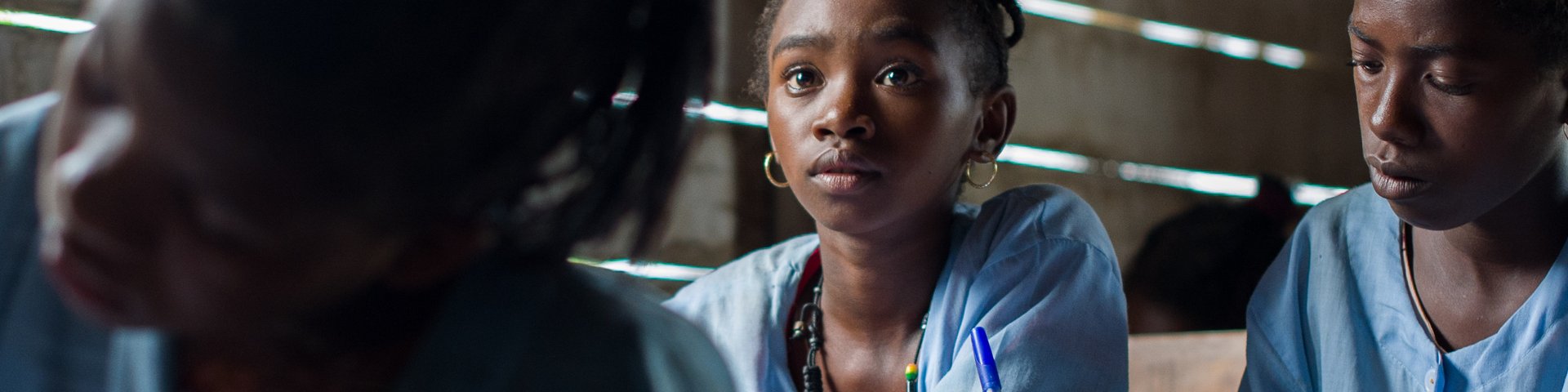
Peace Corps Madagascar promotes women/girls’ education and empowerment. You will receive training on women and girls’ challenges in Madagascar and will have the opportunity to implement women and girls-related activities that are contextually appropriate. During your service, you will look for ways to work with community members to promote societal roles of men/boys and women/girls. As part of your work, you will also report on these efforts and their impact.
Learn more about what Volunteers do in country by visiting our Madagascar project page.
Required skills
Qualified candidates will have one or more of the following criteria:
Qualified candidates will have an expressed interest in working in the health sector and one or more of the following criteria:
• Bachelor of Arts/Bachelor of Science degree in any field
OR
• 5 years' professional work experience
Language: There are no pre-requisite language requirements for this position.
Required behavioral competencies
These competencies are essential for all service assignments and are assessed in the application and interview process:
Motivation for and commitment to service
Adaptability and open-mindedness
Problem solving and resourcefulness
Behavioral maturity and professionalism

Photos from Madagascar



How you and the community will make an impact together:
Madagascar is the 4th largest island in the world. Its terrain is diverse and the climate can change drastically. It’s one of 17 mega-diverse countries in the world. Volunteers live throughout the east coast, the highlands, the southeast, and mid-south where living conditions can vary greatly from one community to another. Volunteers should be flexible, resilient, and willing to live very modestly. Community and Youth Health Educators typically live in small villages with populations less than 2,000.
• Housing: Volunteers live in private one or two-room houses. Housing materials vary by region, with walls made from local wooden material in coastal areas and bricks in the highlands. Volunteers have individual outdoor bath houses and latrines, but often no running water or electricity. Some families in the community may have access to generators that can provide electricity/battery recharge, but that is not standard and it is easy to buy solar panels and batteries locally.
• Communication: Most communication is conducted by cell phone. You’ll have an opportunity to buy your phone during Pre-Service Training if you did not bring an unlocked phone. Call costs are based on the minutes used, texts sent, and are deducted immediately. Incoming calls and texts, even from the U.S., are free. It’s possible to access very slow internet or messaging apps through the purchase of local data plans.
• Transportation: On a case-by-case basis, Peace Corps Madagascar may provide a bike, helmet, and bicycle maintenance training to assist you in daily routines. You may also be required to walk or bike between 3 to 10 kilometers to reach a main road or an outlying village where community partners live and work, and for long distances between towns, you take bush taxis.
• Food: Rice is the staple. Other foods include cassava, potatoes and corn. Meat and fish could be expensive or difficult to find depending on the region. Fish is more present on the coast and meat in the highlands. If meat or fish are unavailable, a variety of beans and peanuts can be used as protein sources. Vegetables vary by region, but most are produced in the highlands. Madagascar is graced with wonderful, though seasonal, fruits. During the off-season, specific fruits may be unavailable and unevenly distributed across the country. You will do your shopping at the local market, but some items might have to be purchased at a larger town nearby.
Vegetarians and vegans may face challenges and should be mindful of food customs. Turning down a plate of food because it has meat may be seen as rejecting a gift. Volunteers have found it possible but difficult to maintain a vegetarian diet.
The Malagasy are generally tolerant, although values concerning sexual orientation are conservative. Same-sex marriages are not permitted under Malagasy law. Volunteers will need to be mindful of cultural norms and use their judgment to determine the best way to approach sexual orientation in their communities. Staff and currently serving Volunteers will address this topic during Pre-Service Training and identify support mechanisms for incoming trainees.
Learn more about the living conditions, including detailed information on culture, communications, housing, and health/crime statistics on our Madagascar country page. You can also delve into stories about local communities by reading our blog or Volunteer stories.
Meet a Volunteer in Madagascar
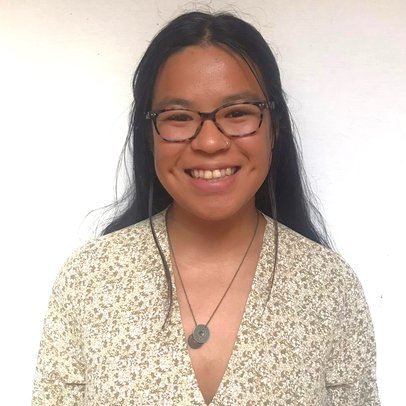
Julia L.
Community Health Advisor
"In Madagascar, when you walk down the street everyone says hello, invites you into their home, and wants to converse. My community has been extremely welcoming from day one, and I am blessed with their kindness and openness."
See full Volunteer profile
To learn more about serving as a couple in Madagascar, visit the country page.
Application process
From application to departure takes around nine months. Learn about the application process for Volunteer opportunities.
Medical/legal clearance
You will need to be cleared medically and legally in order to serve in Madagascar. Review information on medical clearance and legal clearance to learn about the process.