An official website of the United States government

Official websites use .gov
A
.gov website belongs to an official government
organization in the United States.

Secure .gov websites use HTTPS
A
lock (
) or https:// means you’ve safely connected to
the .gov website. Share sensitive information only on official,
secure websites.

Search
Connect with the Peace Corps
If you're ready for something bigger, we have a place where you belong.
Apply to the Peace Corps
The application process begins by selecting a service model and finding an open position.
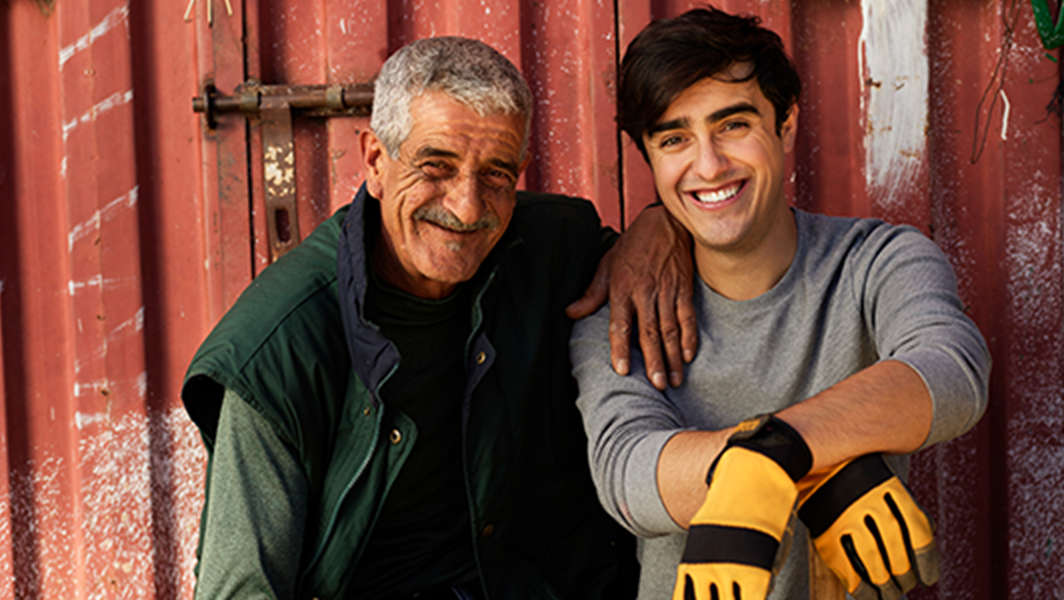

Let us help you find the right position.
If you are flexible in where you serve for the two-year Peace Corps Volunteer program, our experts can match you with a position and country based on your experience and preferences.
Serve where you’re needed mostCommunity Economic Development Facilitator
 Community Economic Development
Job highlights
Applications are now closed. View current openings.
Apply by
January 1, 2026Know by
April 1, 2026Depart on
August 9, 2026Duration
2 years, plus 3 months trainingAbout the project
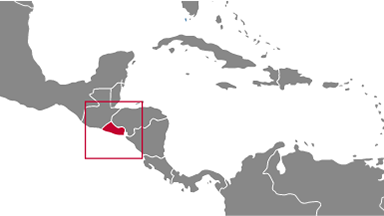
In September 2025, 3rd year Transfer Peace Corps Volunteers inaugurated Peace Corps El Salvador since suspending operations in 2016. Peace Corps is proud of our long history in El Salvador, with over 2,300 Volunteers serving there since 1962.
El Salvador is currently in a period of economic growth primarily due to improved national security following a period of violence between 2003-2019. The Government of El Salvador (GOES) has named economic growth and tourism as national priorities, and is focused on efforts to strengthen digital and financial inclusion aimed at expanding financial access, literacy and infrastructure for underserved populations. The GOES’ strategic plan is designed to modernize infrastructure and boost the economy by developing policies aimed at economic and social growth.
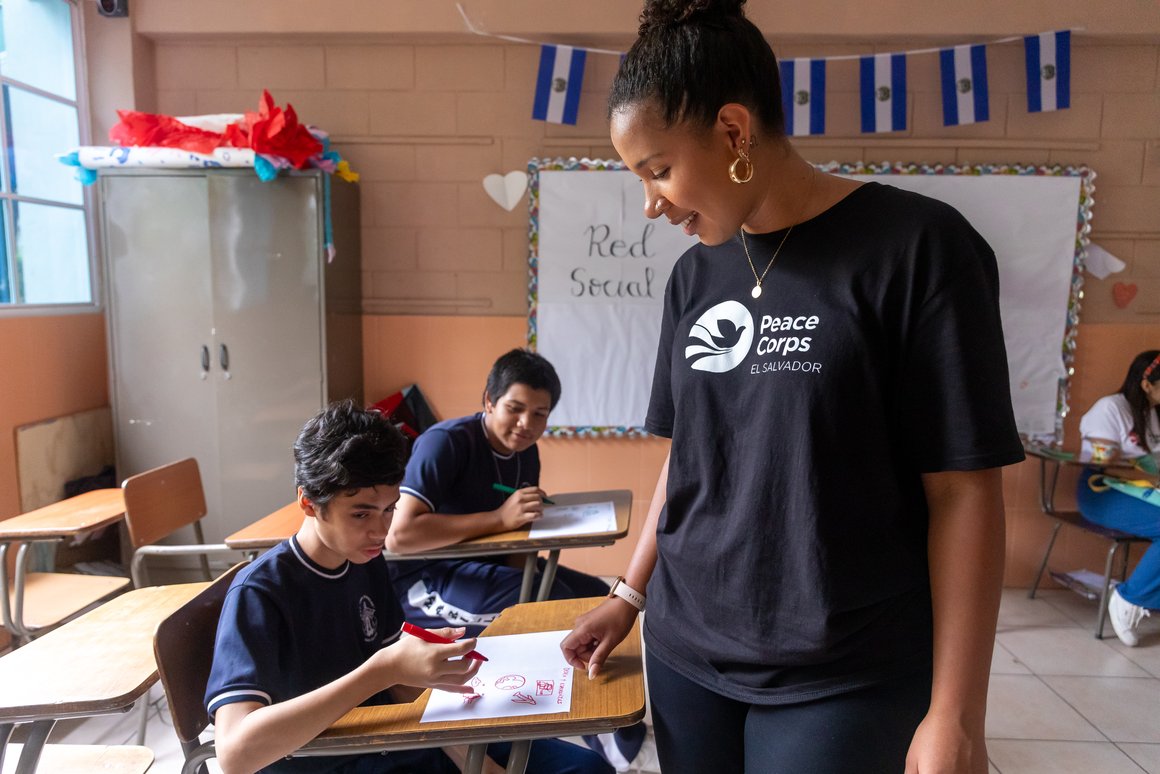
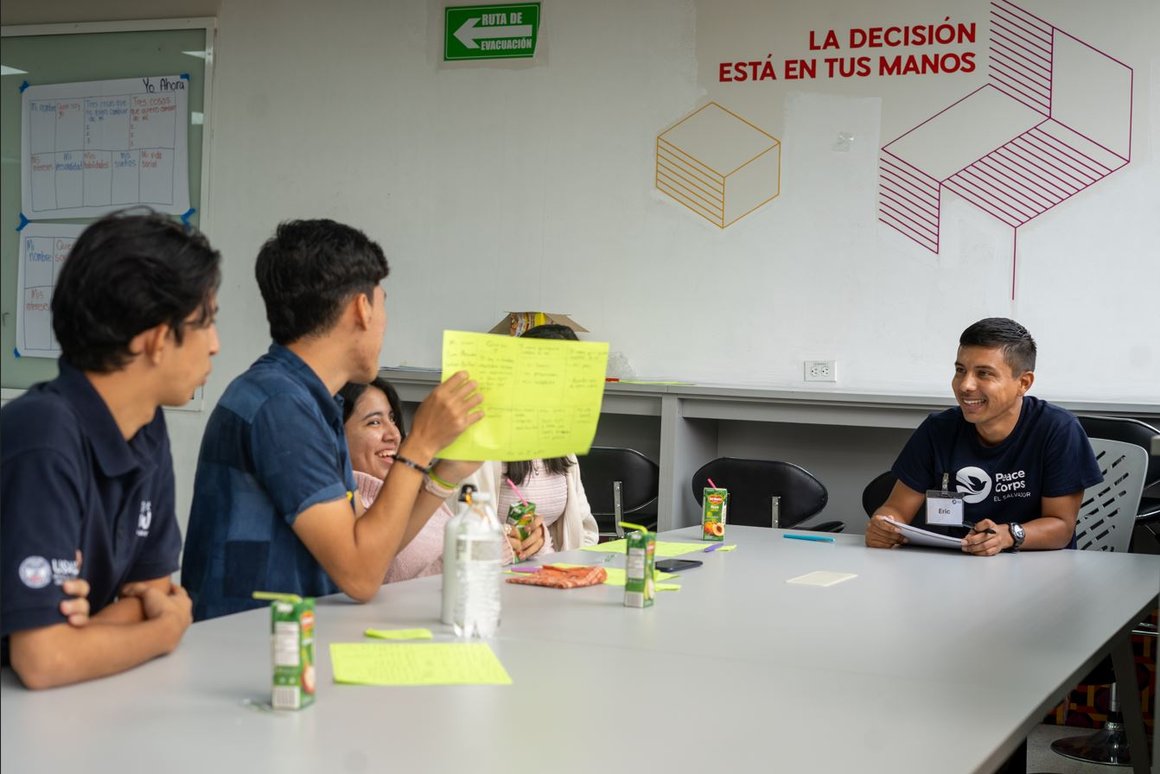
Peace Corps Volunteers will collaborate with communities who have active initiatives in strengthening personal money management, financial literacy, basic business skills, digital literacy, and English for an applied purpose. Peace Corps will partner will community youth 18-29, entrepreneurs, business owners and women in skill development further empowering community members to create and access economic opportunities.
The goal for the Community and Economic Development project in El Salvador is for Rural Salvadoran households and communities to achieve economic growth through new and strengthened economic opportunities.
In all facets of the CED role, Volunteers are expected to be a co-facilitator, working side by side with work partners (National Council for Medium and Small Businesses, Asociaciones de Desarrollo Comunitario (ADESCOS), Community Savings Groups, Small Business Owners and Entrepreneur groups). Volunteers play a critical role in accompanying individuals and organizations to meet their specific goals by providing an ongoing and supportive presence.
In coordination with community leadership, PCVs will co-conduct activities such as capacity assessment, co-planning and co-training asset-based community development sessions, and co-facilitating project design and management processes. Co-facilitate sessions and activities to improve personal money management skills as well as improve capacity to implement small-scales economic activities including activities focused on: entrepreneurship, digital literacy and English for business.
Learn more about what Volunteers do in country by visiting our El Salvador project page.
Required skills
Qualified candidates will have one or more of the following criteria:
Qualified candidates will have one or more of the following criteria:
• Bachelor of Arts/Bachelor of Science degree in any field
OR
• 5 years' professional work experience
Language: Spanish
A. Completed 4 years of high school Spanish coursework in the past 8 years
B. Completed college-level Elementary II Spanish semester (Elementary III in quarter system) within the past 6 years
C. Score between 50-62 on the Spanish College Level Examination Program (CLEP) exam in the past 6 years
D. Score Novice-High or Intermediate-Low on official American Council on the Teaching of Foreign Languages (ACTFL) Oral Proficiency Interview (OPI) in Spanish within the past 6 years
Required behavioral competencies
These competencies are essential for all service assignments and are assessed in the application and interview process:
Motivation for and commitment to service
Adaptability and open-mindedness
Problem solving and resourcefulness
Behavioral maturity and professionalism

Photos from El Salvador

How you and the community will make an impact together:
Diet: The food varieties available depend on the season, the size of the community, and region. Salvadorans eat a combination of meat, eggs, and dairy at most meals. Common foods include corn tortillas, black beans, rice, and chicken. Common fruits and vegetables include bananas, mangos, papaya, citrus fruits, tomatoes, onions, avocado, and a squash called huisquil (chayote). Pupusas are the national dish of El Salvador, a delicious thick tortilla filled with beans, cheese, meats, and served with pickled cabbage.
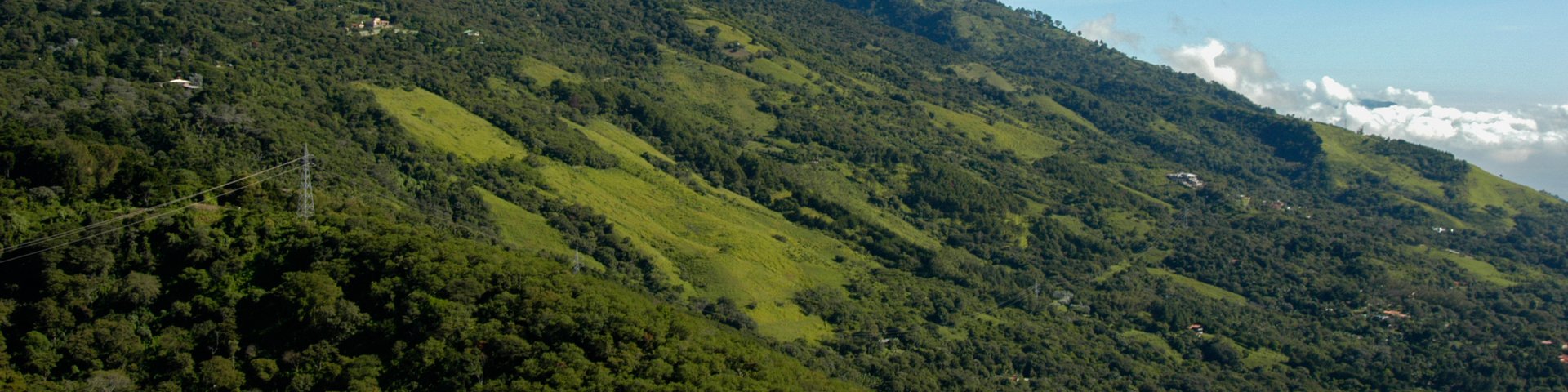
Geography/Climate: The weather in El Salvador is marked by two distinct seasons. The dry season runs from November to April and the rainy season runs from May to October. Annual average temperatures range from 58 to 85 degrees Fahrenheit and vary based on location and altitude. Temperatures can also vary during the day, so dressing in layers and having rain protection is recommended. Homes and workspaces are generally neither heated nor air conditioned.
Housing/Homestay: Volunteers are required to live with a host family throughout their entire service. In these homes, the Volunteer will have a private room with a lock on the door. The homestay experience will provide unique exposure to the culture, and powerful opportunities for Spanish language acquisition. Safety and security are seriously considered while selecting and preparing host communities who will become partners in the wellbeing of the Volunteer. Volunteers must be willing to follow cultural norms and respect family dynamics. Applicants should think carefully about their commitment to adaptability when living and integrating with a Salvadorean host family that may have limited resources. Most host-family homes have indoor bathrooms, showers and potable water.
Professionalism: Volunteers work full time and will create a work plan in coordination with their community partners. They are expected to demonstrate healthy personal habits, attitudes, ethics and act as consistent positive role models in the community. Volunteers should be willing to adapt to cultural dress norms both in the community and in the workplace. Volunteers are encouraged to keep tattoos covered, if possible, to respect community norms and avoid cultural perceptions that associate tattoos with gang activity.
Identity: Peace Corps El Salvador strives to support all Volunteers and recognizes that Volunteers might experience unique challenges as they navigate integration into the local culture (social, cultural, political, religious, and personal matters). Volunteers need to be mindful of cultural norms and be prepared to use cultural agility when approaching topics of identity in their communities. Staff and currently serving Volunteers will provide context for these topics during training and will share the strategies and support mechanisms available to Volunteers throughout service.
Crime and safety:
Despite significant challenges with stability in previous years, the El Salvadoran people continue to demonstrate impressive resilience in moving their country forward to a safer and more productive future. Improved security has led to a significant increase in tourism and the return of many expatriate Salvadorans who now are investing and re-establishing lives in their home country. Peace Corps has an important opportunity and privilege to support these goals and efforts at the community level through partnering with the mission of world peace and friendship.
Peace Corps El Salvador has an expert safety and security team tasked with coordinating with international, national and local agencies to monitor security issues. Strong attention is given to monitoring crime and placing Volunteers in the areas of the country with low levels of crime. Safety training and information about security is provided to the Volunteer on an ongoing basis.
Learn more about the living conditions, including detailed information on culture, communications, housing, and health/crime statistics on our El Salvador country page. You can also delve into stories about local communities by reading our blog or Volunteer stories.
Meet a Volunteer in El Salvador
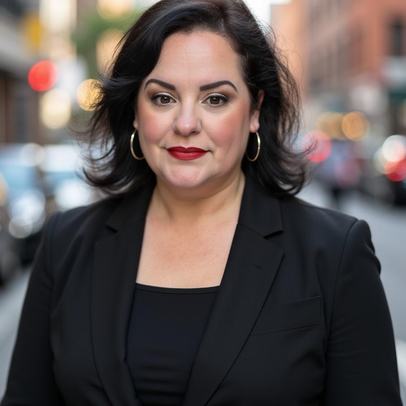
Bri S.
Water and Sanitation Extensionist
"Peace Corps didn’t just affirm my calling—it gave me the clarity and conviction to pursue leadership in public administration, ensuring that the systems we build truly serve the people they are meant to support."
See full Volunteer profile
To learn more about serving as a couple in El Salvador, visit the country page.
Application process
From application to departure takes around nine months. Learn about the application process for Volunteer opportunities.
Medical/legal clearance
You will need to be cleared medically and legally in order to serve in El Salvador. Review information on medical clearance and legal clearance to learn about the process.