An official website of the United States government

Official websites use .gov
A
.gov website belongs to an official government
organization in the United States.

Secure .gov websites use HTTPS
A
lock (
) or https:// means you’ve safely connected to
the .gov website. Share sensitive information only on official,
secure websites.

Search
Connect with the Peace Corps
If you're ready for something bigger, we have a place where you belong.
Apply to the Peace Corps
The application process begins by selecting a service model and finding an open position.
Let us help you find the right position.
If you are flexible in where you serve for the two-year Peace Corps Volunteer program, our experts can match you with a position and country based on your experience and preferences.
Serve where you’re needed mostDeaf Education Teacher
 Education
Job highlights
- Gain international experience developing science, technology, engineering, and mathematics (STEM) curriculum for Deaf and hard-of-hearing (D/HH) students in resource-limited settings.
- Experience the rich culture, natural wonders, and warm hospitality that have earned Malawi the nickname "the warm heart of Africa."
- Engage in traditional forms of living, learn the value of communal life, and build lasting friendships rooted in mutual understanding.
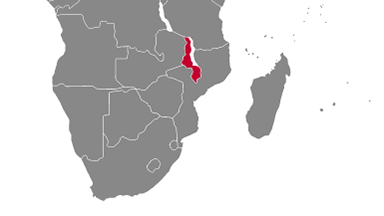
Malawi • Africa
In partnership with: Mayview School for the Deaf, Domasi College of Education
Get answers live — every weekday at .
Apply by
November 15, 2026Know by
January 1, 2027Depart on
June 6, 2027Duration
12 monthsAbout the project
Do you have a passion for ensuring every student receives the attention needed to succeed? Deaf classrooms in Malawi are eager for your support.
Deaf students often learn in ways that differ from typical auditory-based instruction, with many benefiting from supportive visuals. Traditional lectures relying heavily on sound can be physically, cognitively, and emotionally taxing for these students. Schools in Malawi currently face challenges—limited access to assistive technologies and a low culture of student-focused instruction adaptation—to effectively support Deaf students. These challenges stem from severe shortages of teachers with Deaf education training; inconsistent access to braille displays, embossers, and screen readers; and limited visual usage.
As a Deaf Education Teacher, you will collaborate with schools and the Deaf community to establish responsive, evidence-based practices for delivering curriculum through e-learning platforms. You will strengthen the school staff’s capacity in areas, such as visual learning tools, sign language-integrated digital resources, and technical sign harmonization for digital content. Together, you will create digital learning solutions that improve the instructional quality, supporting both teacher and student success for years to come.
Learn more about what Volunteers do in country by visiting our Malawi project page.
Required skills
Qualified candidates will have the following criteria:
Bachelor's or master's degree in education or a related field.
AND
Two or more years of special education experience, preferably in one of the following areas: American Sign Language (ASL), speech therapy, occupational therapy, or working with visually-impaired.
Language: There are no pre-requisite language requirements for this position.
Required behavioral competencies
These competencies are essential for all service assignments and are assessed in the application and interview process:
Motivation for and commitment to service
Adaptability and open-mindedness
Problem solving and resourcefulness
Behavioral maturity and professionalism

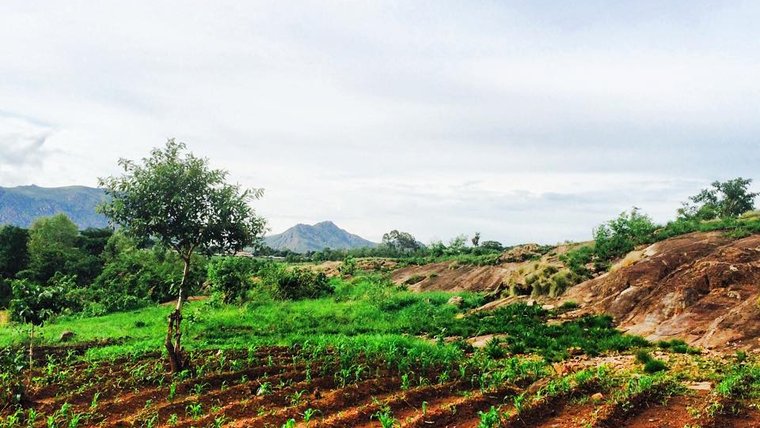
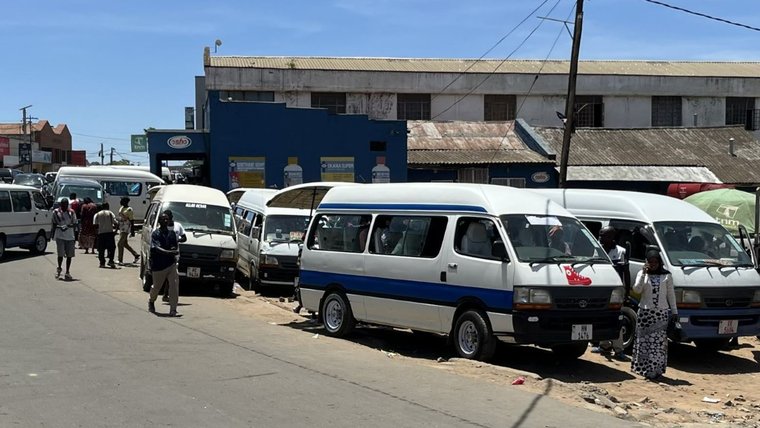
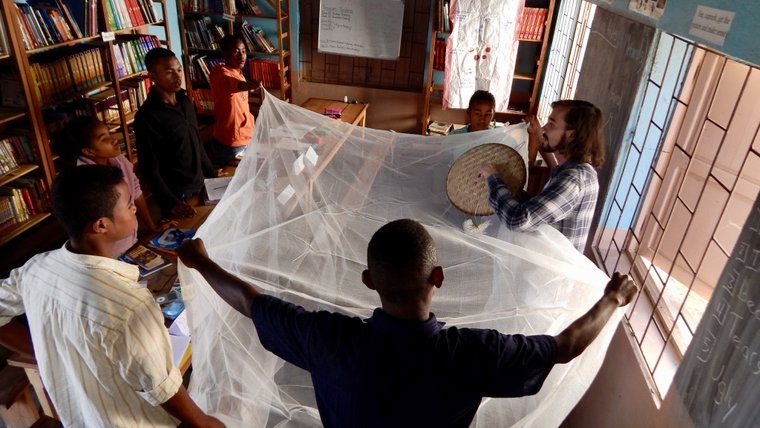
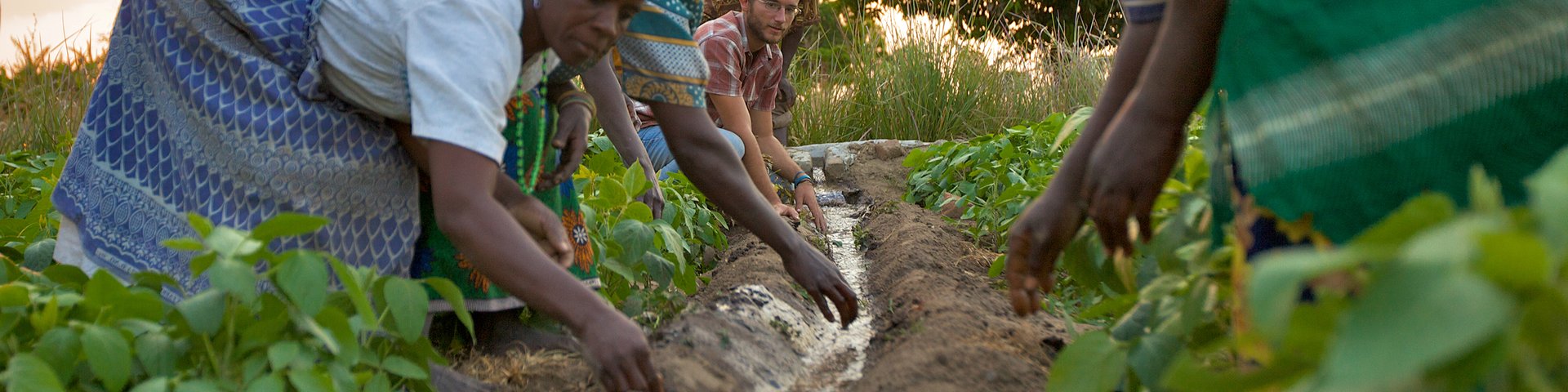
Photos from Malawi



How you and the community will make an impact together:
Design, adapt, and produce resources and digital content to support classroom learning.
Facilitate teacher training sessions on assistive devices, accessibility best practices, and adapting classroom environments.
Support hands-on lessons in basic digital skills, including typing, internet navigation, email, and accessible software for learners with visual impairments.
Integrate assistive tools and strategies into daily instruction.
Demonstrate and encourage approaches that support D/HH learning during lessons and routine activities.
Participate in college programs, staff meetings, and education initiatives to foster a culture of accessibility and collaboration.
You may also work on additional projects that meet your community’s interests and priorities, such as setting up a digital sign language resource library or conducting parent and caregiver digital literacy workshops.
Volunteers live in peri-urban or urban communities across Malawi’s southern, central, and northern regions. Volunteers for this assignment can expect running water and electricity. Internet is accessed via mobile hotspot or a personal router. Volunteers will commute either on foot or by public transportation.
Learn more about the living conditions, including detailed information on culture, communications, housing, and health/crime statistics on our Malawi country page. You can also delve into stories about local communities by reading our blog or Volunteer stories.
Meet a Volunteer in Malawi
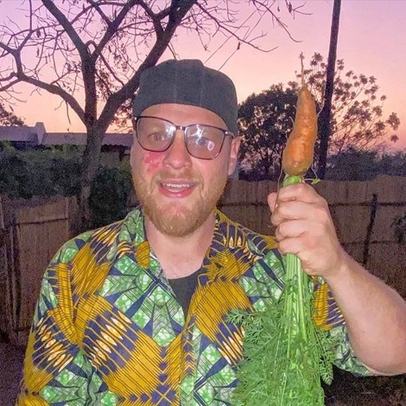
Dave M.
Environmental Education and Food Security Volunteer, Peace Corps Volunteer Leader
"The best strategy for integrating into your community is the simplest one: be present ... No one expects you to always have the answers, but you can offer a helping hand. The easiest way to know when support is needed is if you are present."
See full Volunteer profile
After a two-week orientation on topics such as health and safety, you will move to a peri-urban or urban community where you will collaborate with either Maryview School for the Deaf or Domasi College of Education to assess the needs and develop a work plan in line with their established goals.
Peace Corps/Malawi will equip you with Chichewa language resources and you may work with a tutor who can help you build basic language skills to connect with the community.
Only heterosexual couples can be accepted for this program. Each person must apply separately and must qualify for a position in either the same or a different sector than their partner. Couples will live together during training but may separate occasionally for field-based activities. Couples who are selected for the same sector will live together but work with different local partners which may be in the same community or in neighboring communities (not more than 30 minutes apart). Cohabitating couples are highly encouraged to present themselves as married throughout service due to cultural expectations.
To learn more about serving as a couple in Malawi, visit the country page.
Application process
From application to departure takes around nine months. Learn about the application process for Volunteer opportunities.
Medical/legal clearance
You will need to be cleared medically and legally in order to serve in Malawi. Review information on medical clearance and legal clearance to learn about the process.