An official website of the United States government


What is Peace Corps training REALLY like?
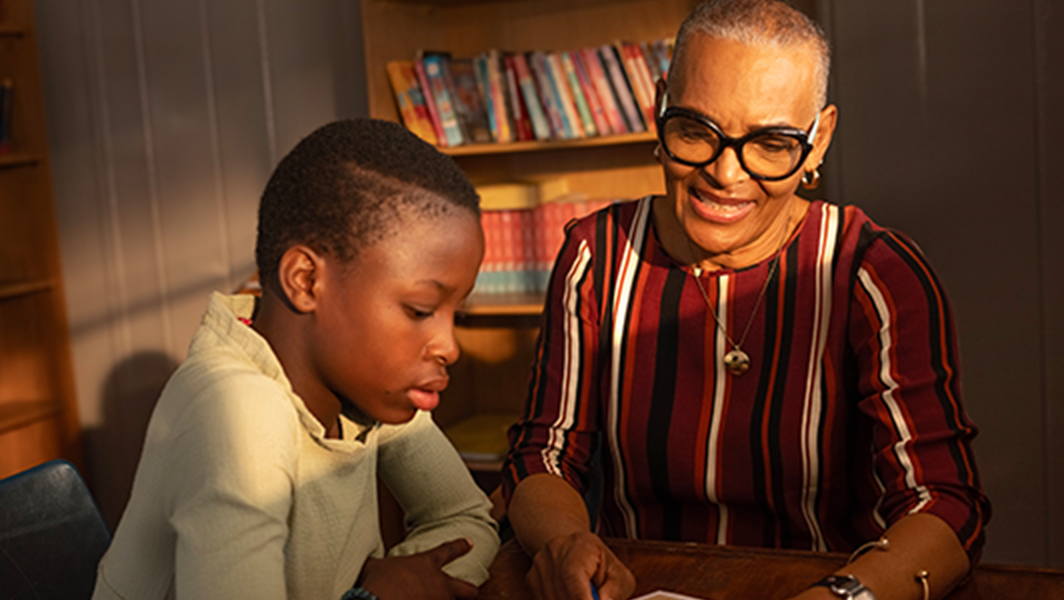
As an applicant to Peace Corps—or a potential applicant—it can be intimidating to think about what training entails. Maybe you already know that Peace Corps training happens in the country you’re assigned to serve. Maybe you already know, or assume, that during training you’ll learn the language you’ll speak at site with the members of your new Peace Corps Community. Those are both true! But there’s got to be more to it, right? Well, yes. There’s a lot more to Peace Corps training, so let’s dive in.
Every training different, but similar
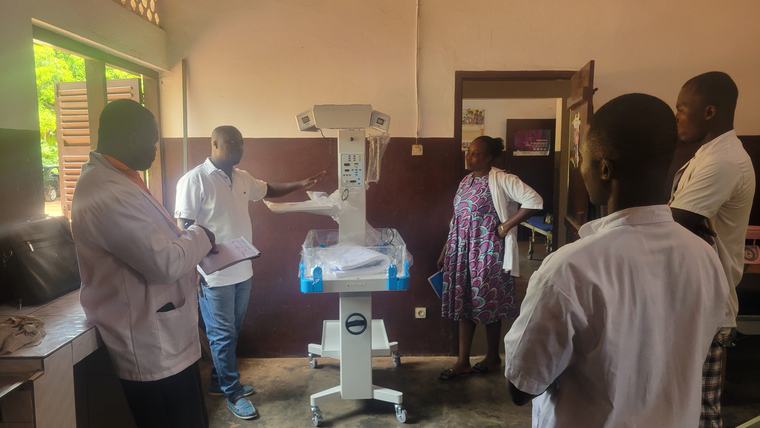
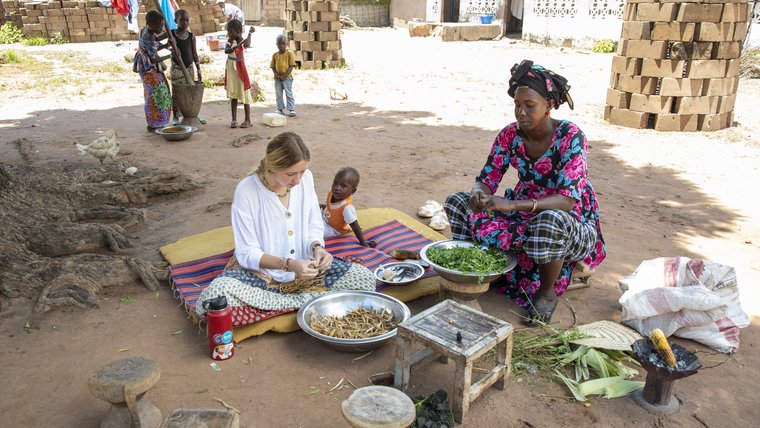
One thing to note is that every country runs its pre-service training (PST) a little differently. However, there are things that are the same across the board. Peace Corps training for two-year Volunteers is generally about three months long. Some of that time you’ll be living with local host families. Watch what happens when a group of Trainees meet their host families in Armenia. Every Peace Corps training includes language training, cultural training, training for the job you’ve been assigned to take on at site, and safety and security training specific to the country. Read an overview of Peace Corps training here.
Pre-service training is basic and revolutionary

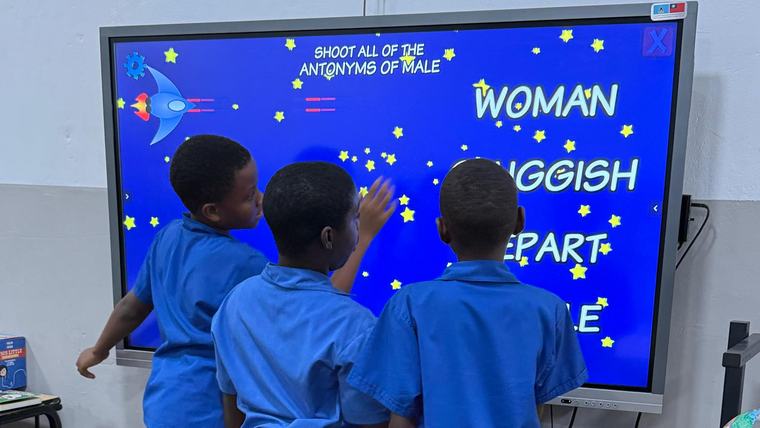
In pre-service training, Trainees learn job skills and languages and technical skills to do the job they’ve been asked to do. But in some places, they also learn new ways to eat (Nepal Trainees learn to eat dahl baht, the national dish of rice and curried lentils, with their hands). And sometimes even new ways to perform basic tasks like using the bathroom, waiting in lines, and food shopping. Returned Volunteer Matt shares his humorous thoughts on how pre-service training is like kindergarten. Regardless of what you learn skills-wise, PST is a special bridge between your previous life and your future Peace Corps Volunteer life.
“During PST, you get to know the Peace Corps staff, as well as your fellow Trainees. The bonds that you make during these initial weeks have the potential to blossom into important connections throughout your service, and even after you’ve completed your 27-month commitment.” Read the full blog here.
It can be hard, but it ends
Peace Corps training can sometimes feel overwhelming and grueling. Especially in the beginning when absolutely everything is new—the scenery, the language, the smells, the sights, the food, and all the people. Most Volunteers have that feeling during training, and many look back at it as one of the more difficult parts of service, but one that also creates some of the best memories of Peace Corps service. Your fellow Trainees will be your brothers-and-sisters-in arms as you challenge yourselves with all the new things you’ve been tasked to learn. Your trainers—whether they are American or have been hired locally—will be your big-hearted guides, willing and able to talk to you about your fears and practice your language with you. And once pre-service training is complete, you may find it hard to leave your trainers and PST community behind.
“... when our swearing in finally came, it was both a day of celebration and a day of sadness. The time had come to, once again, say goodbye to places and people we had grown to love as we prepared to head to our 24-month posts in communities around Kosovo,” said Peace Corps Volunteer Vera.
And, as you’ll come to discover, although PST does end, Peace Corps service is an ongoing journey of learning. Throughout your time abroad, you’ll have opportunities to continue to learn and build skills, both independently and during in-service group trainings. Learn more about training and benefits during service here.